Wat Benchamabophit
Wat Benchamabophit Dusitvanaram · The Marble Temple · วัดเบญจมบพิตรดุสิตวนาราม
About
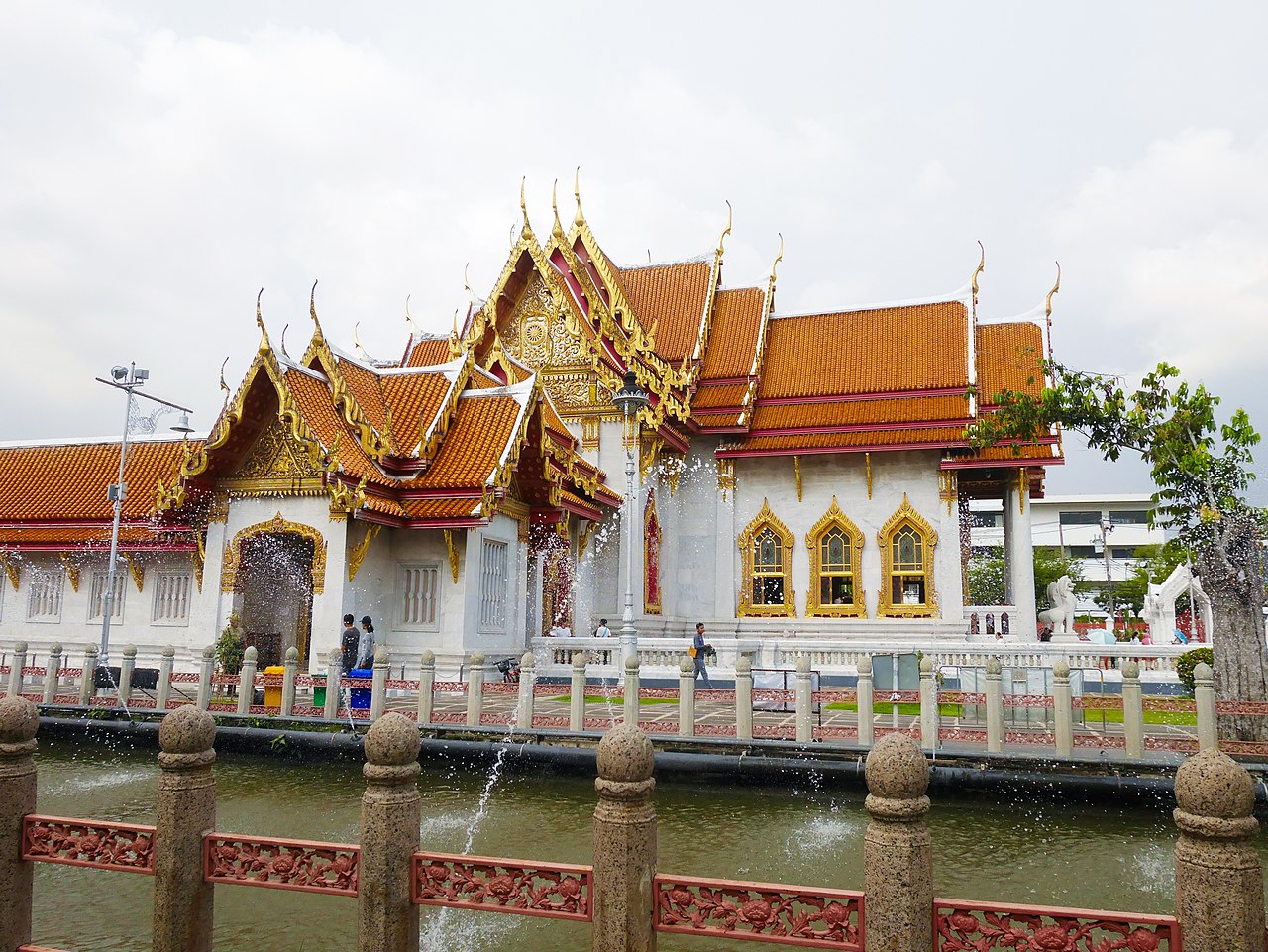
Wat Benchamabophit Dusitvanaram stands in the Dusit quarter of Bangkok, its alabaster walls and tiered Thai roofs catching the morning light along a quiet canal. The wat is widely known as the Marble Temple, a tribute to the imported Carrara stone that clads its principal hall.
Commissioned in 1899 by King Chulalongkorn after the founding of his nearby palace, the complex was designed by his half-brother Prince Naris and represents a thoughtful meeting of indigenous and European sensibilities. Italian marble pillars, a paved courtyard, and a pair of singha lions at the entrance of the ubosot soften into traditional Thai elements within, gilded lacquer beams overhead and shallow wall niches painted with the country's revered stupas.
The ordination hall takes a cruciform plan, its tiered roofs and gilded pediments faithful to Siamese convention while Khmer-style cloisters, blind windows, and sema boundary stones frame the precinct. Stained glass set above the windows admits coloured light that softens the marble interior, a gentle Western echo within an unmistakably Thai sanctuary.
Enshrined within is Phra Buddhajinaraja, a Sukhothai-style image cast in 1920 as a copy of the famed original at Wat Phra Si Rattana Mahathat in Phitsanulok. Beneath the throne rest the ashes of King Chulalongkorn himself. A circuit of fifty-two Buddha images, each rendered in a different mudra, lines the surrounding gallery.
History
King Chulalongkorn commissioned the Temple around 1899 to 1900, after building his nearby Dusit Palace, and entrusted its design to his half-brother Prince Naris. Its principal Buddha image, Phra Buddhajinaraja, was cast at Phitsanulok from decommissioned brass cannons and consecrated on 13 December 1901, a Sukhothai-style copy of the revered Phra Buddha Chinnarat that Chulalongkorn had long admired. The king died in 1910 before construction was finished, and his ashes were laid to rest beneath the image's pedestal at his own wish.
Significance
Each morning between six and half past seven, monks line up along Nakhon Pathom Road to receive alms of rice, curry, and lotus buds from the devotees who gather there, and candlelit processions circle the ordination hall on the holy nights of Magha Puja and Visakha Puja. Fifty-two Buddha images, each in a different mudra, line the surrounding gallery, and the Temple's marble facade appears on the reverse of the Thai five-baht coin.
Architecture
Traditional Thai Temple form built in Carrara marble, with Khmer-influenced cloisters and Western stained glass
Visiting
Daily worship
| Open to visitors | 08:00 to 17:00 | |
| Sunday and public holidays | 10:00 to 17:00 |
Hours
Hours not listed.
Contact
No contact details listed yet.
Engage with Wat Benchamabophit
Through the four pathways
Seva सेवा — Service
Offer your time and skills here. The following opportunities are open at Wat Benchamabophit:
No Seva offerings listed yet.
Sādhana साधना — Practice
Learn the worship and practice associated with Wat Benchamabophit:
No Sādhana offerings listed yet.
Sandhāna सन्धान — Wisdom
Unite with the wisdom of this tradition:
No Sandhāna offerings listed yet.
Sādhya साध्य — Giving
Support this sacred place according to your means:
No Sādhya offerings listed yet.
All giving flows directly to Wat Benchamabophit. Adisthan does not take a commission.
Festivals & Events
- Jul
Asalha Bucha
29 July 2026 · annual
The day the Buddha preached his first sermon and the Buddhist monastic order came into being, observed nationally in Thailand and marked at this Temple with candlelit circumambulation of the marble ordination hall.
- Feb
Magha Puja
21 February 2027 · annual
Commemorating the spontaneous gathering of 1,250 enlightened disciples before the Buddha, observed here with an evening candlelight procession around the ordination hall.
Gallery
Related sacred places
 Buddhism
Angkor Wat
Siem Reap · Cambodia · temple
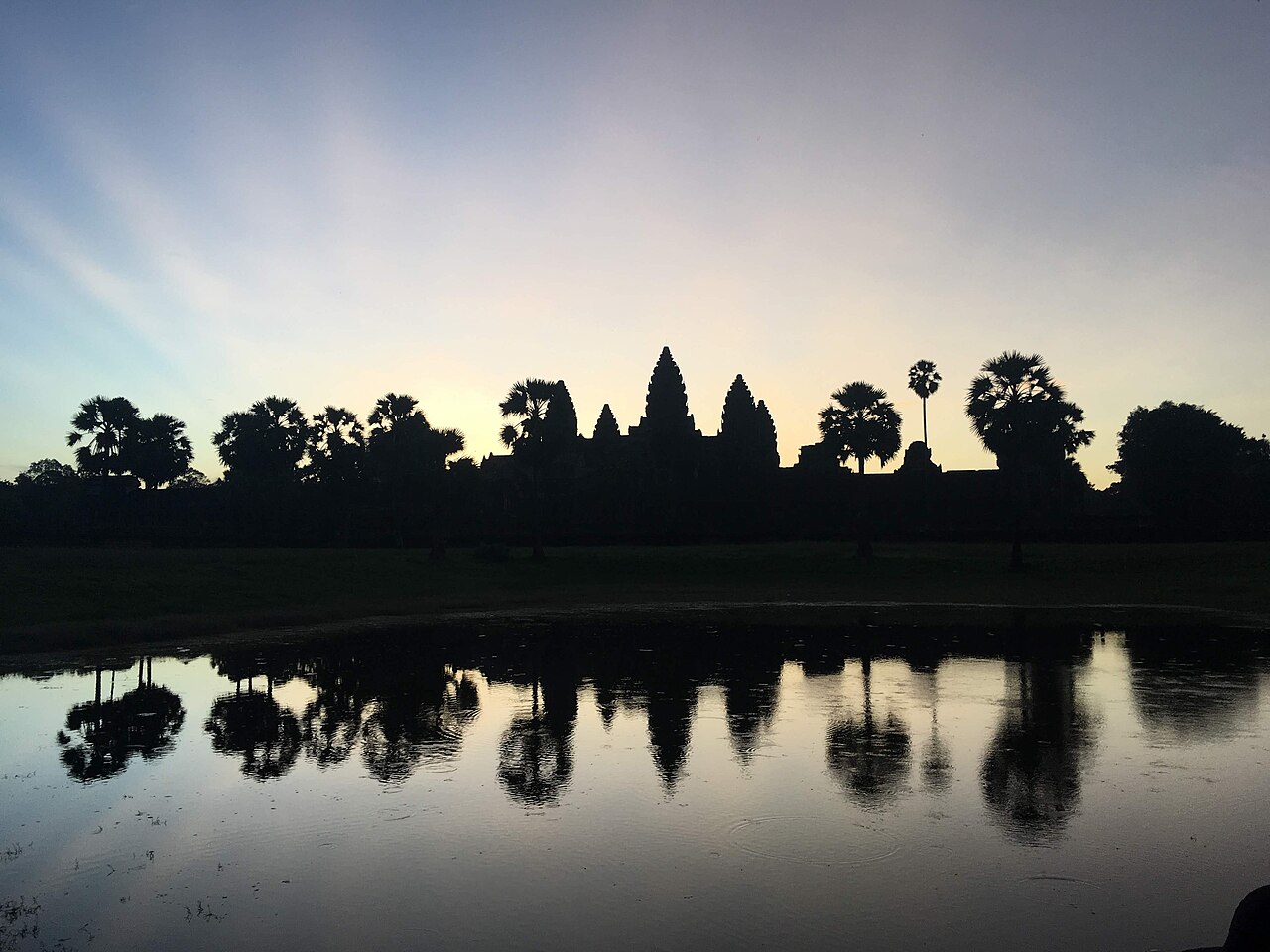
The largest religious monument on earth, built for Lord Vishnu by Suryavarman II in the 12th century and in continuous worship ever since: a living Theravada Buddhist Temple whose five towers stand on the Cambodian flag.
 Buddhism
Bangka Lungshan Temple
Taipei (Wanhua) · Taiwan · temple
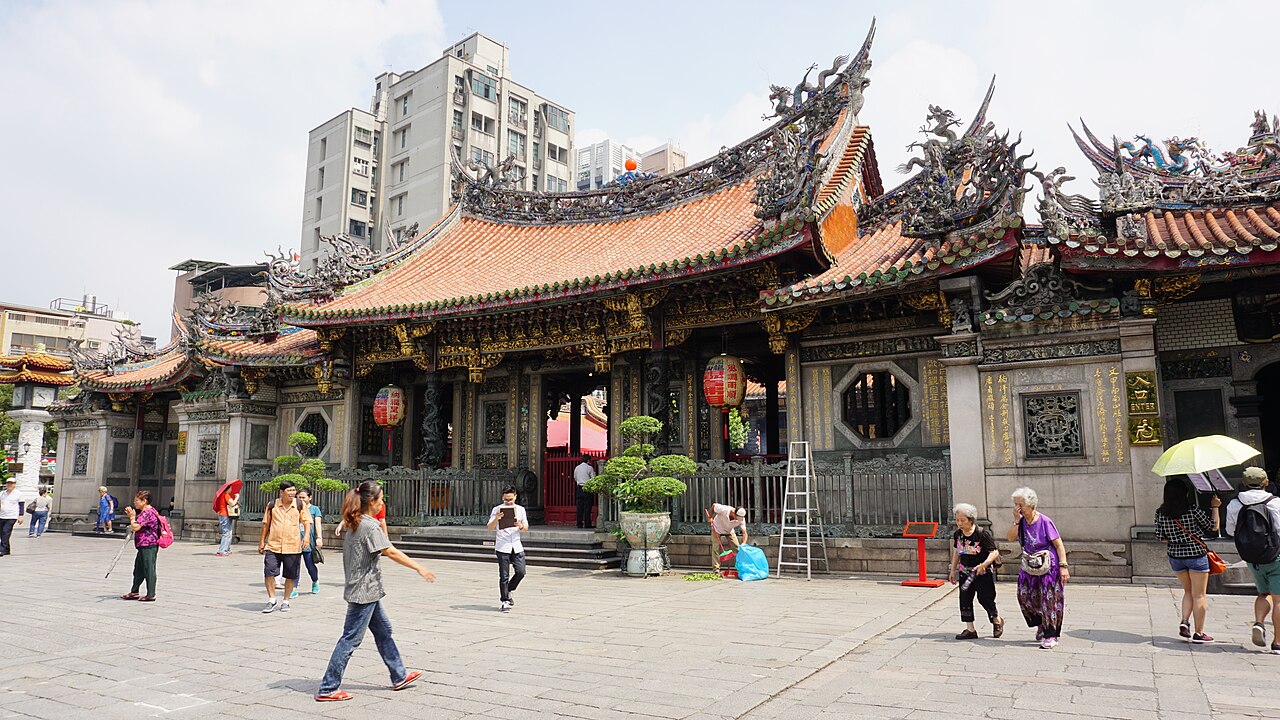
Taipei's mother Temple to Guanshiyin, founded by Fujian settlers in 1738 in the old Bangka quarter: a front hall to the bodhisattva of compassion and a rear hall of more than a hundred Taoist and folk gods, whose Guanyin statue survived the 1945 bombing intact.
 Buddhism
Bengal Buddhist Association
Kolkata · India · monastery
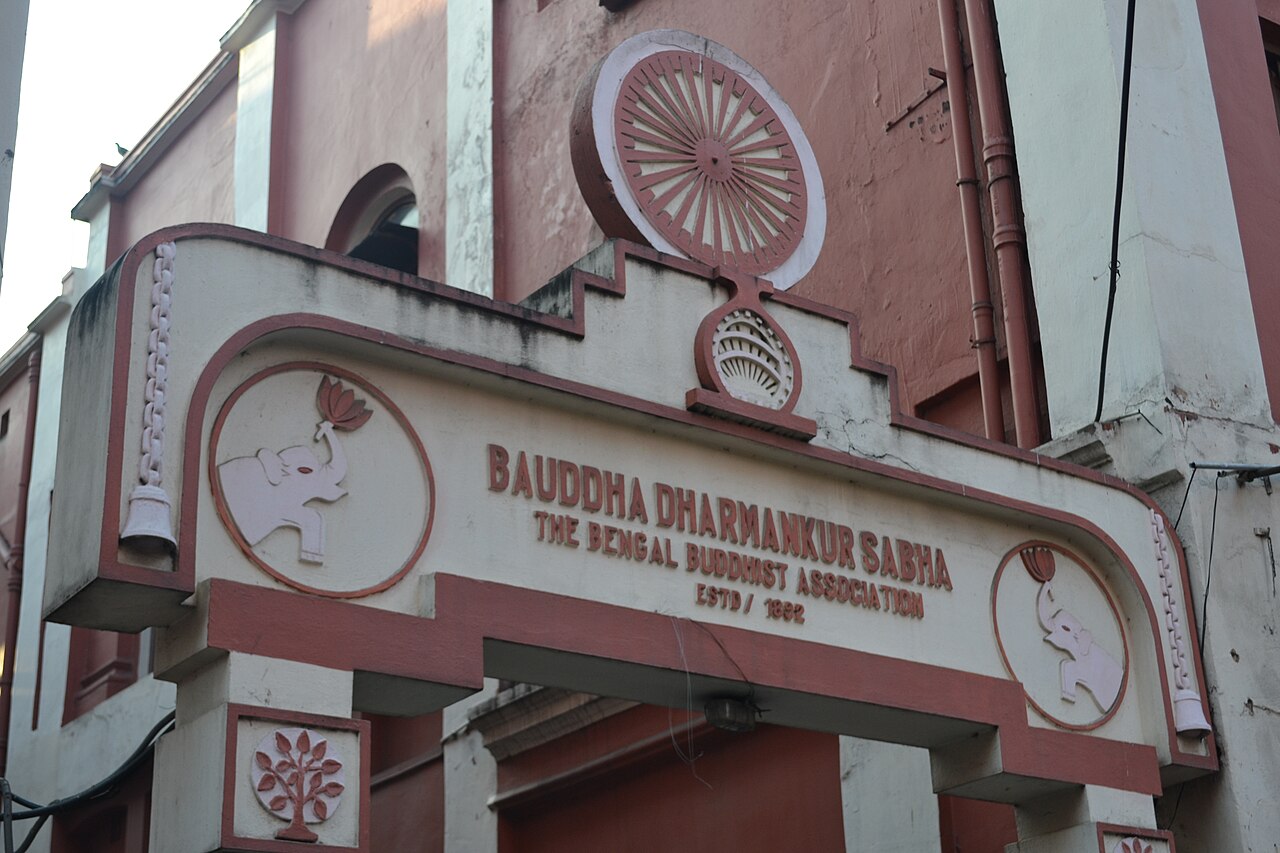
Founded in Kolkata in 1892 by Kripasaran Mahasthavir, the Bengal Buddhist Association, known in Bengali as Bauddha Dharmankur Sabha, raised the Dharmankur Vihara at Bow Barracks in 1903 and has worked for over a century to revive the Dharma in eastern India.
 Buddhism
Bhot Bagan Math
Ghusuri · India · monastery
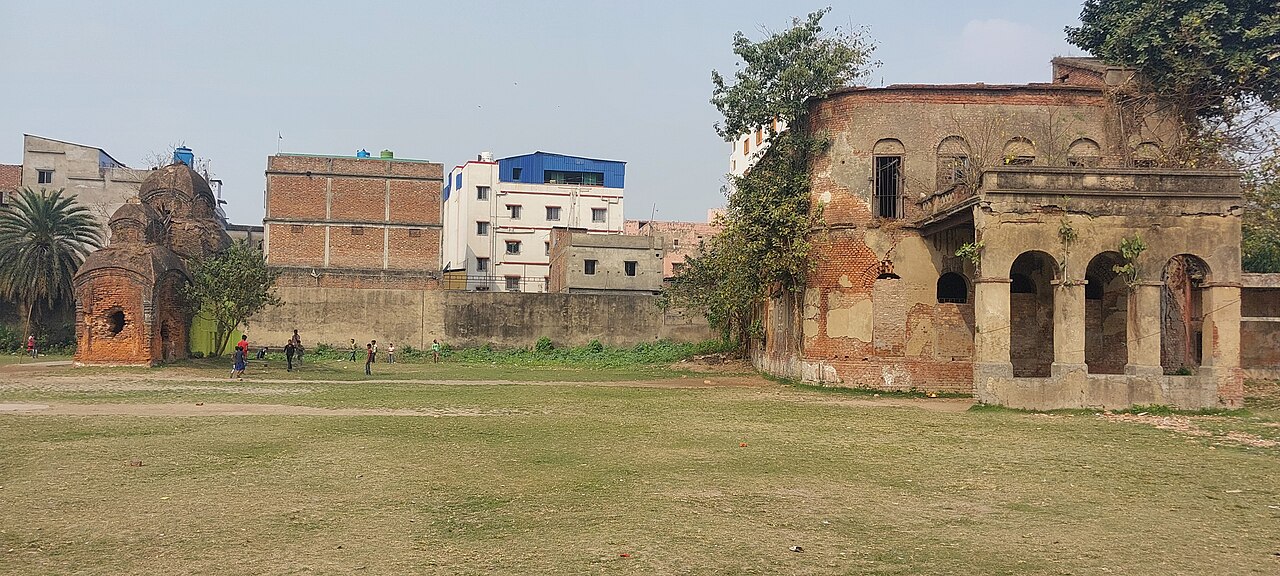
A brick monastery on the Hooghly riverside at Ghusuri, Howrah, founded in 1776 as the first Tibetan Buddhist religious foundation on the plains of India and still known popularly as Mahakal Math for the Tibetan deity images once installed in its sanctum.
 Buddhism
Borobudur
Magelang · Indonesia · temple
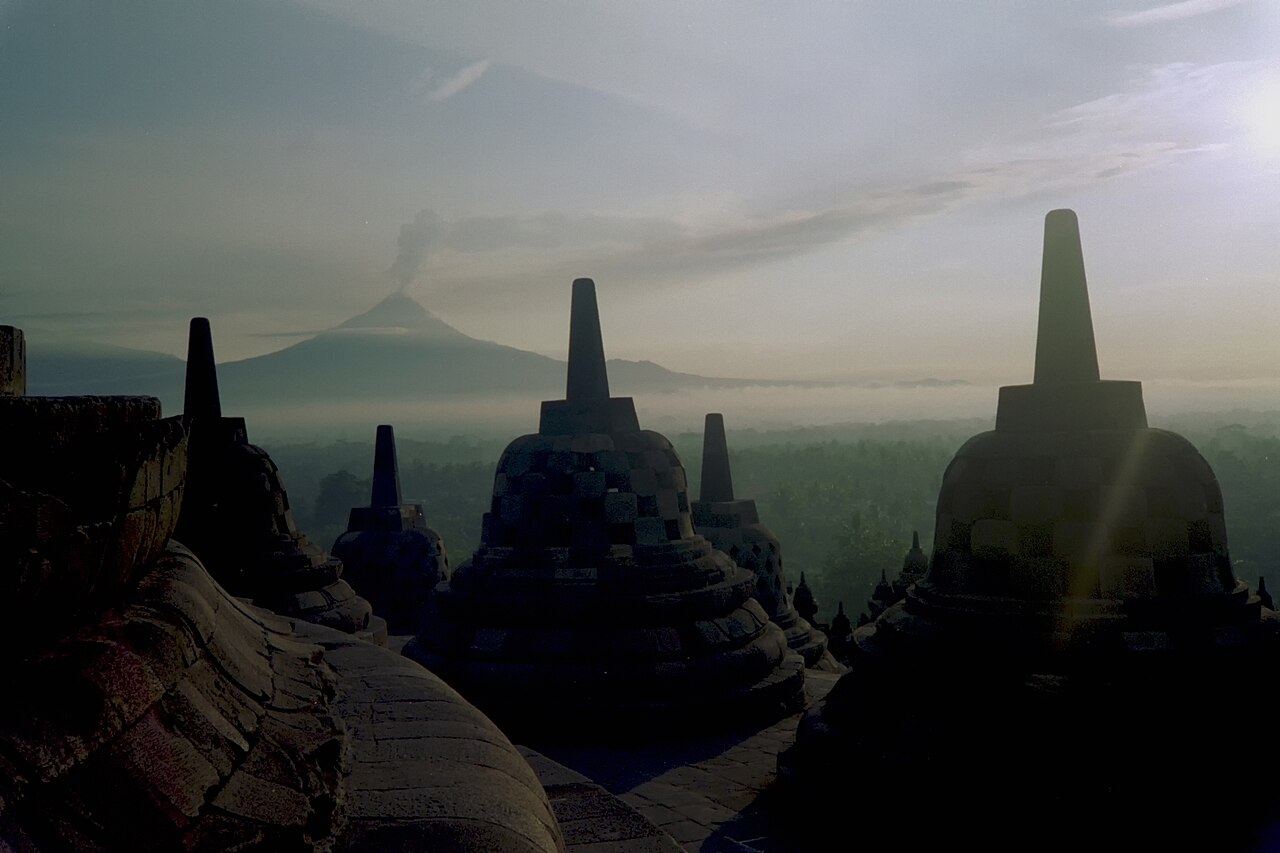
The world's largest Buddhist Temple: a ninth-century mandala in stone on Java's Kedu Plain, nine terraces rising through the three realms to 72 latticed stupas, each sheltering a seated Buddha.
 Buddhism
Boudhanath Stupa
Kathmandu · Nepal · stupa
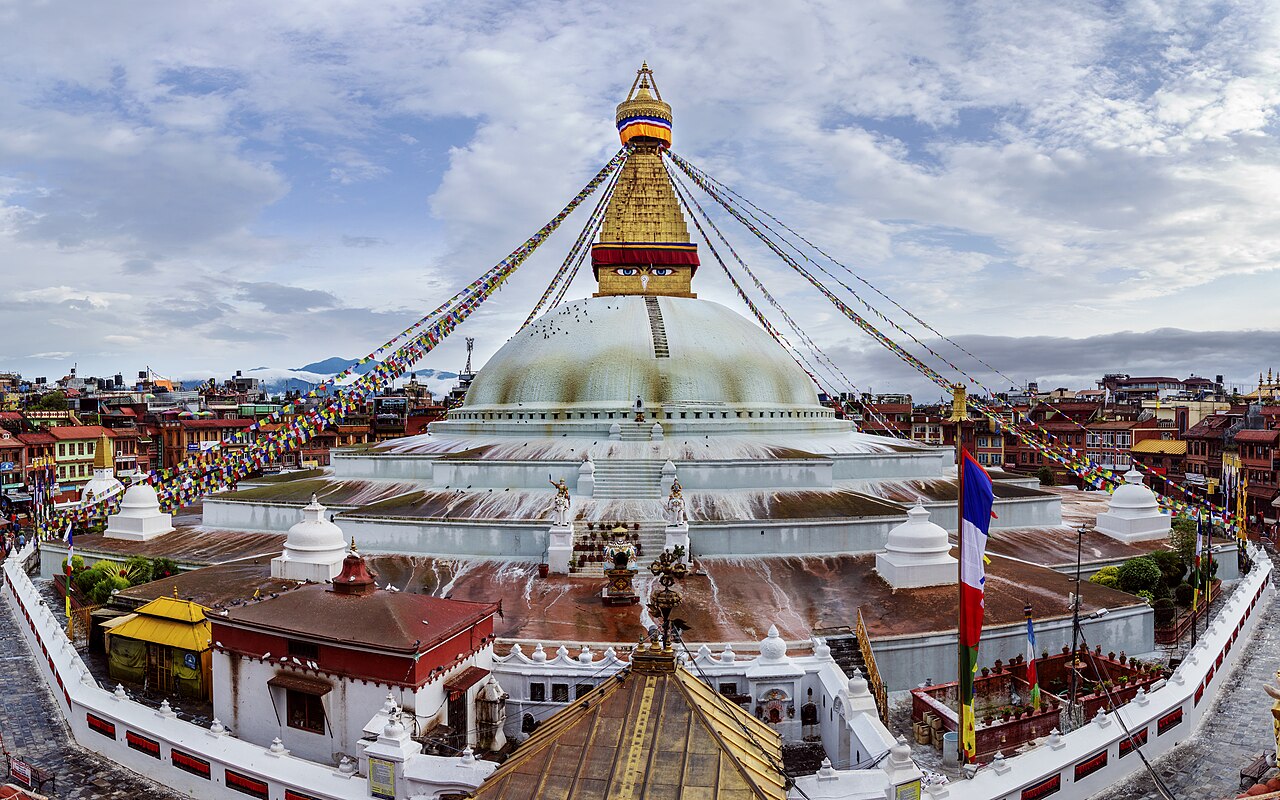
The largest spherical stupa in Nepal, its all-seeing Buddha eyes watching over the kora walked daily by the Tibetan Buddhist community of Boudha, the heart of Vajrayana practice in the Kathmandu Valley.