Wat Chaiwatthanaram
Wat Chai Watthanaram · วัดไชยวัฒนาราม
About
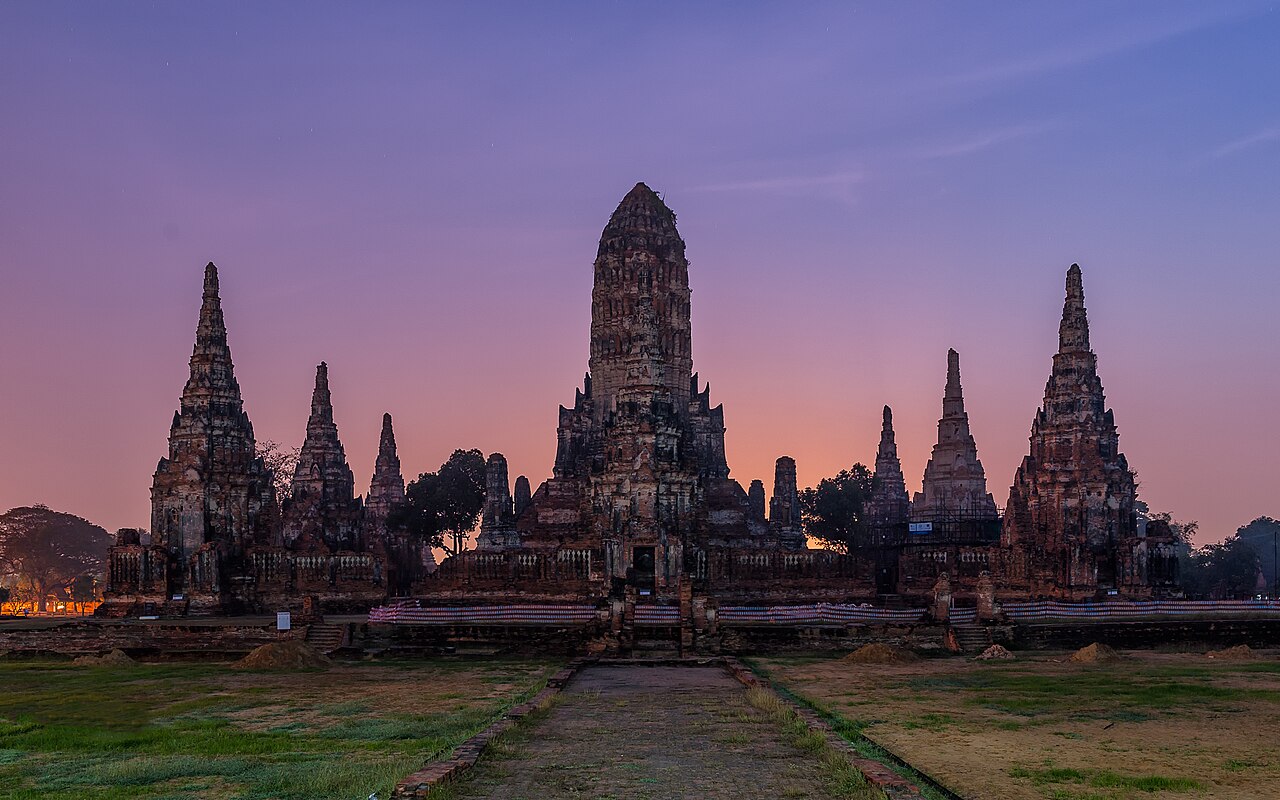
Set on the western bank of the Chao Phraya River just outside the old island city of Ayutthaya, Wat Chaiwatthanaram rises in weathered laterite and brick, a complex of soaring prangs that retain the silhouette of a Khmer-inspired cosmological diagram.
The wat was founded in 1630 by King Prasat Thong as the inaugural religious work of his reign. Its name carries the sense of 'Temple of long reign and glorious era', and tradition holds that the king built it both to gain Buddhist merit and to honour the memory of his mother, whose residence once stood nearby.
The complex centres on a 35-metre prang surrounded by four smaller spires, raised upon a rectangular platform with concealed entrances reached by steep interior stairs. Eight chedi-shaped chapels, known in Thai as Meru Thit and Meru Rai, encircle the central group, joined by a cross-shaped cloister (Phra Rabieng) that once housed roughly 120 seated Buddha images lacquered in black and gold.
The layout itself is a meditation on the Buddhist cosmos described in the fourteenth-century Traiphum Phra Ruang: the principal Prang Prathan represents Mount Meru at the axis of the world, the four smaller prangs are the four continents floating in the cosmic ocean, and the surrounding gallery marks the iron mountains at the edge of existence.
History
King Prasat Thong founded the wat in 1630 as the first religious work of his reign, raising it in Khmer style on land where, tradition holds, his mother once lived, though Prince Damrong later suggested the king built it instead to mark a victory over Longvek. For more than a century it served Ayutthaya's kings as a setting for royal Buddhist rites and as a cremation ground for princes and princesses, among them Chaofa Thammathibet. When Ayutthaya fell to Burmese forces in 1767 the Temple was abandoned, its brick carried away and its Buddha images beheaded by treasure hunters over two centuries of neglect. The Fine Arts Department began conservation in 1987 and opened the site to visitors in 1992, and after the 2011 floods submerged the compound under two metres of water, a further restoration renewed the prangs and cloister that stand today.
Significance
The Temple's plan is a meditation in brick and stucco on the Buddhist cosmos described in the Traiphum Phra Ruang: the central prang rises as Mount Meru at the axis of the world, four lesser prangs mark the surrounding continents, and the enclosing cloister traces the iron mountains at the edge of existence. Once lined by some one hundred and twenty seated Buddha images lacquered in black and gold, the wat remains one of the clearest surviving expressions of how Ayutthaya's kings used sacred architecture to declare both merit and cosmic order.
Architecture
Khmer-style prang architecture of the Ayutthaya kingdom, built as a royal cosmological monument
Visiting
Hours
Hours not listed.
Contact
No contact details listed yet.
Address
Engage with Wat Chaiwatthanaram
Through the four pathways
Seva सेवा — Service
Offer your time and skills here. The following opportunities are open at Wat Chaiwatthanaram:
No Seva offerings listed yet.
Sādhana साधना — Practice
Learn the worship and practice associated with Wat Chaiwatthanaram:
No Sādhana offerings listed yet.
Sandhāna सन्धान — Wisdom
Unite with the wisdom of this tradition:
No Sandhāna offerings listed yet.
Sādhya साध्य — Giving
Support this sacred place according to your means:
No Sādhya offerings listed yet.
All giving flows directly to Wat Chaiwatthanaram. Adisthan does not take a commission.
Gallery
Related sacred places
 Buddhism
Angkor Wat
Siem Reap · Cambodia · temple
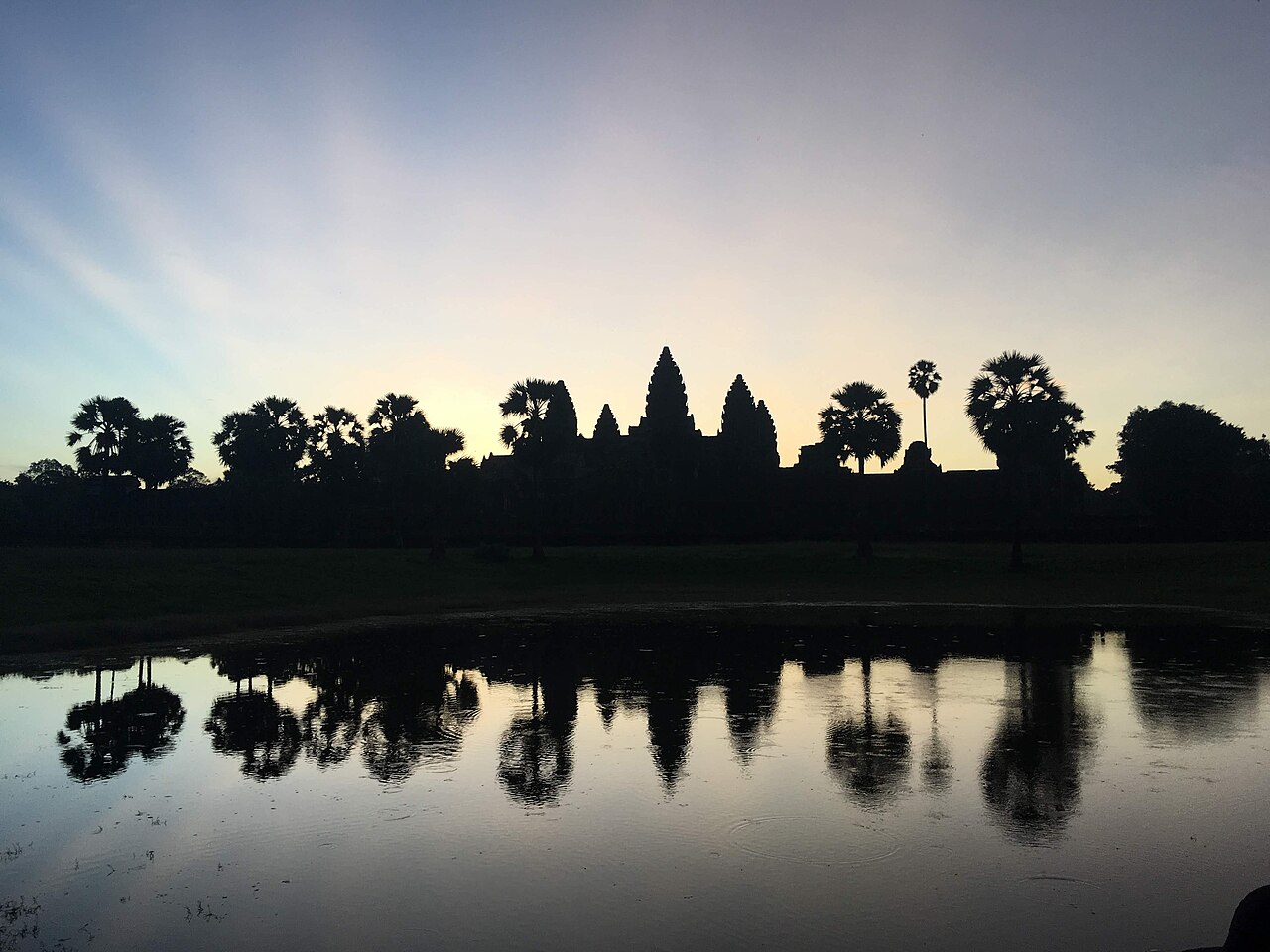
The largest religious monument on earth, built for Lord Vishnu by Suryavarman II in the 12th century and in continuous worship ever since: a living Theravada Buddhist Temple whose five towers stand on the Cambodian flag.
 Buddhism
Bangka Lungshan Temple
Taipei (Wanhua) · Taiwan · temple
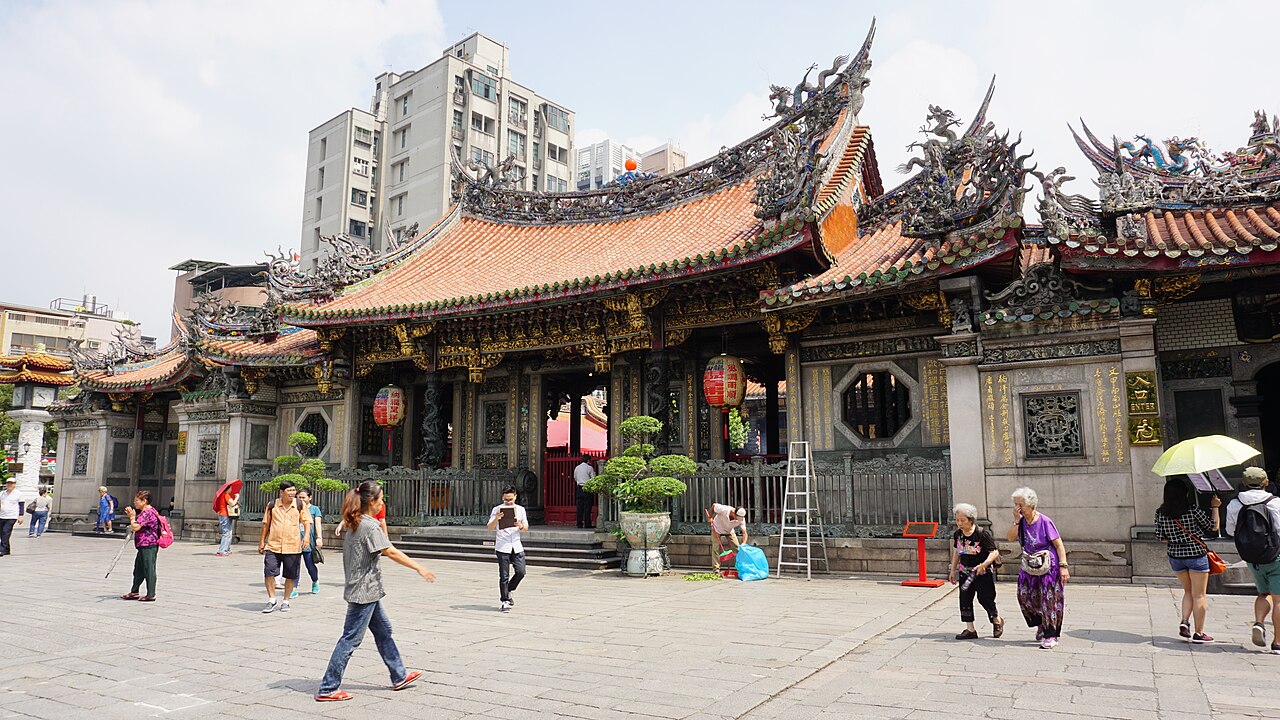
Taipei's mother Temple to Guanshiyin, founded by Fujian settlers in 1738 in the old Bangka quarter: a front hall to the bodhisattva of compassion and a rear hall of more than a hundred Taoist and folk gods, whose Guanyin statue survived the 1945 bombing intact.
 Buddhism
Bengal Buddhist Association
Kolkata · India · monastery
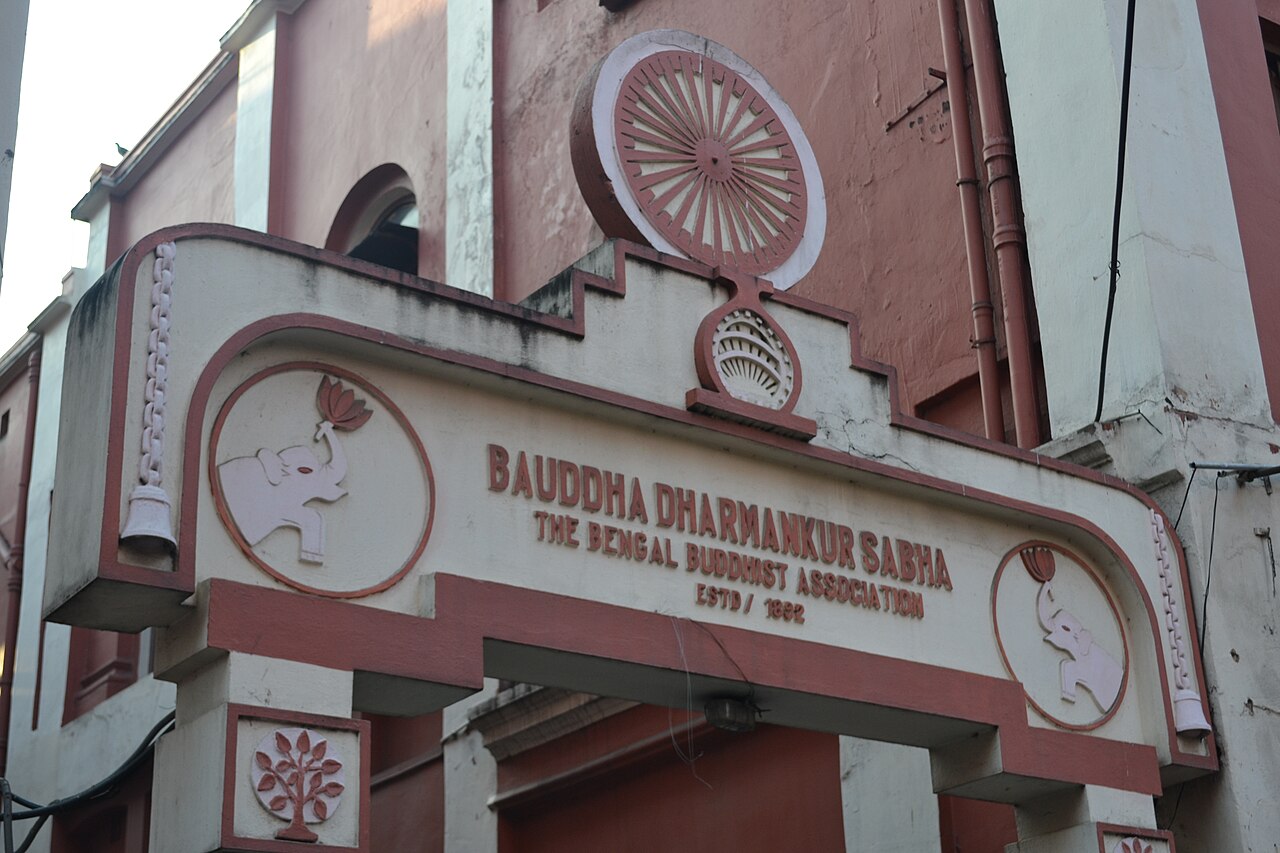
Founded in Kolkata in 1892 by Kripasaran Mahasthavir, the Bengal Buddhist Association, known in Bengali as Bauddha Dharmankur Sabha, raised the Dharmankur Vihara at Bow Barracks in 1903 and has worked for over a century to revive the Dharma in eastern India.
 Buddhism
Bhot Bagan Math
Ghusuri · India · monastery
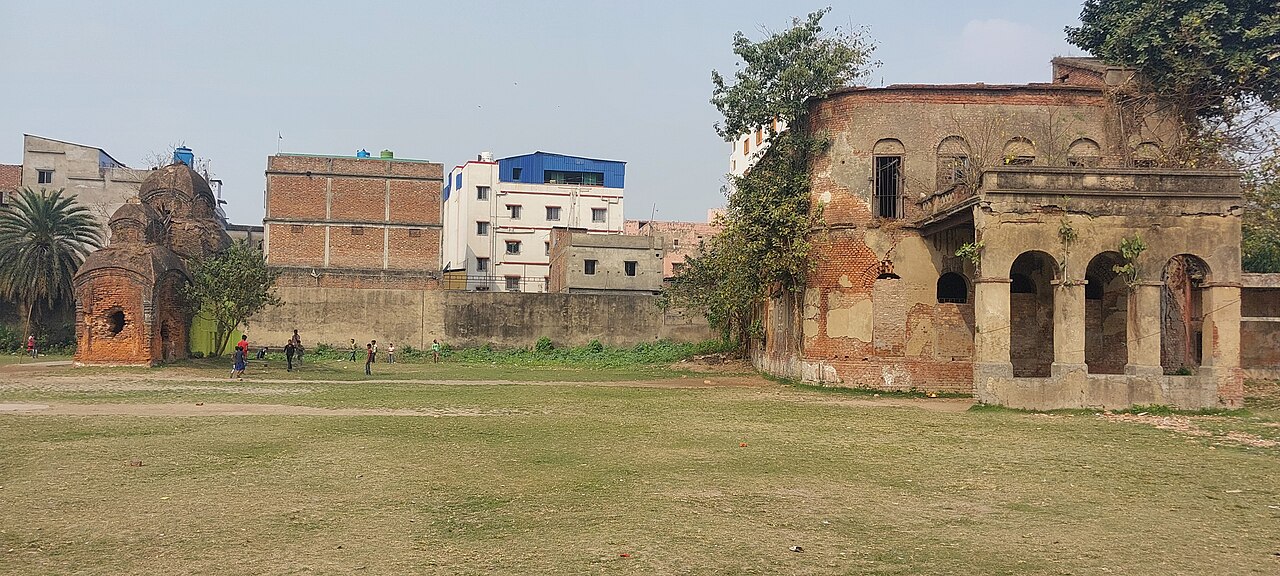
A brick monastery on the Hooghly riverside at Ghusuri, Howrah, founded in 1776 as the first Tibetan Buddhist religious foundation on the plains of India and still known popularly as Mahakal Math for the Tibetan deity images once installed in its sanctum.
 Buddhism
Borobudur
Magelang · Indonesia · temple
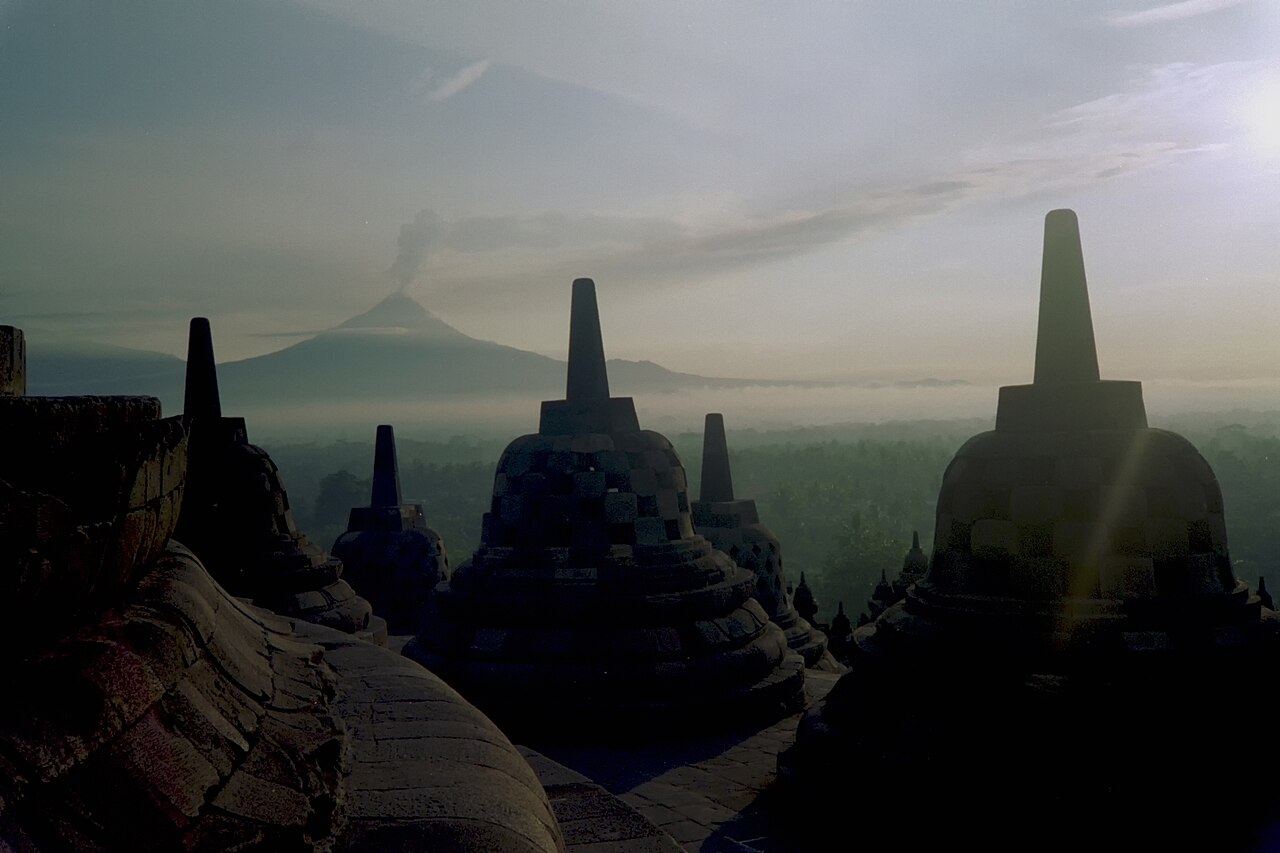
The world's largest Buddhist Temple: a ninth-century mandala in stone on Java's Kedu Plain, nine terraces rising through the three realms to 72 latticed stupas, each sheltering a seated Buddha.
 Buddhism
Boudhanath Stupa
Kathmandu · Nepal · stupa
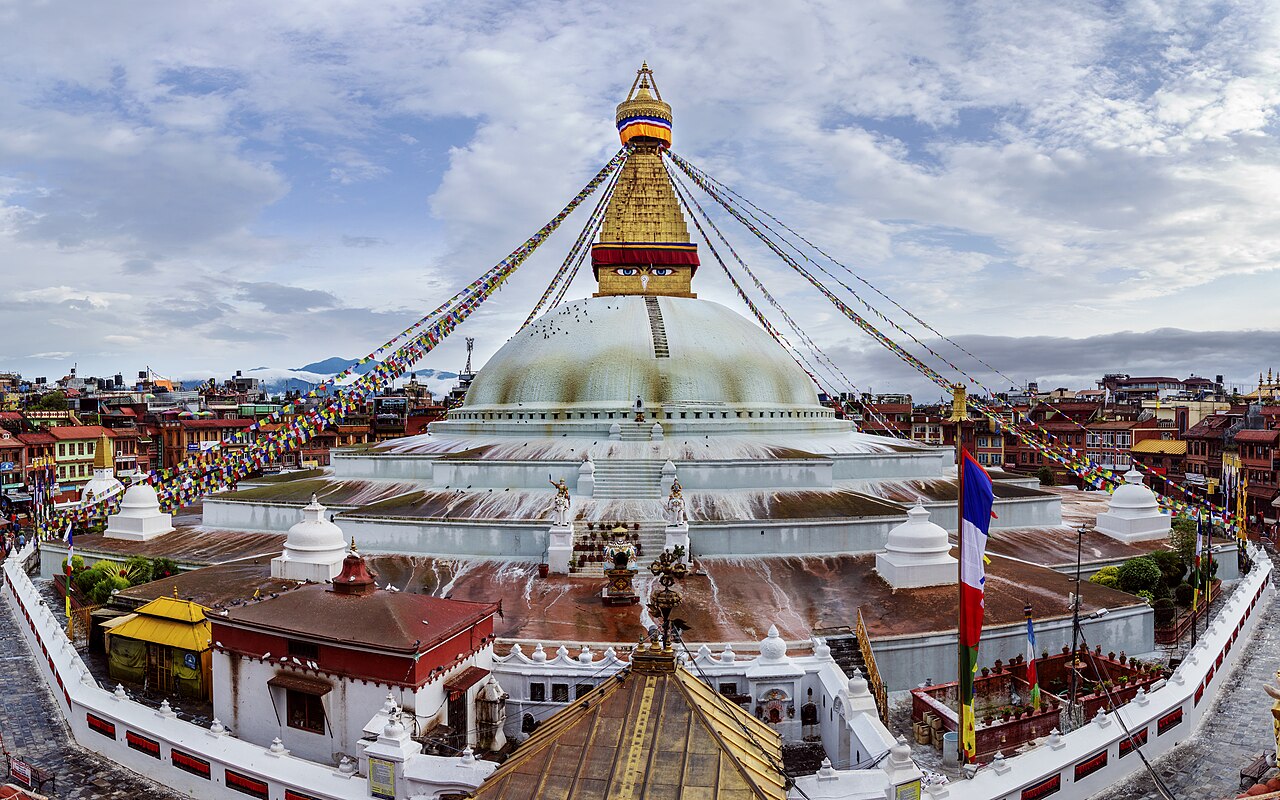
The largest spherical stupa in Nepal, its all-seeing Buddha eyes watching over the kora walked daily by the Tibetan Buddhist community of Boudha, the heart of Vajrayana practice in the Kathmandu Valley.