Wat Chaloem Phra Kiat Worawihan
Wat Chaloem Phra Kiat · Wat Chaloem Phra Kiat Waraviharn · วัดเฉลิมพระเกียรติวรวิหาร
About
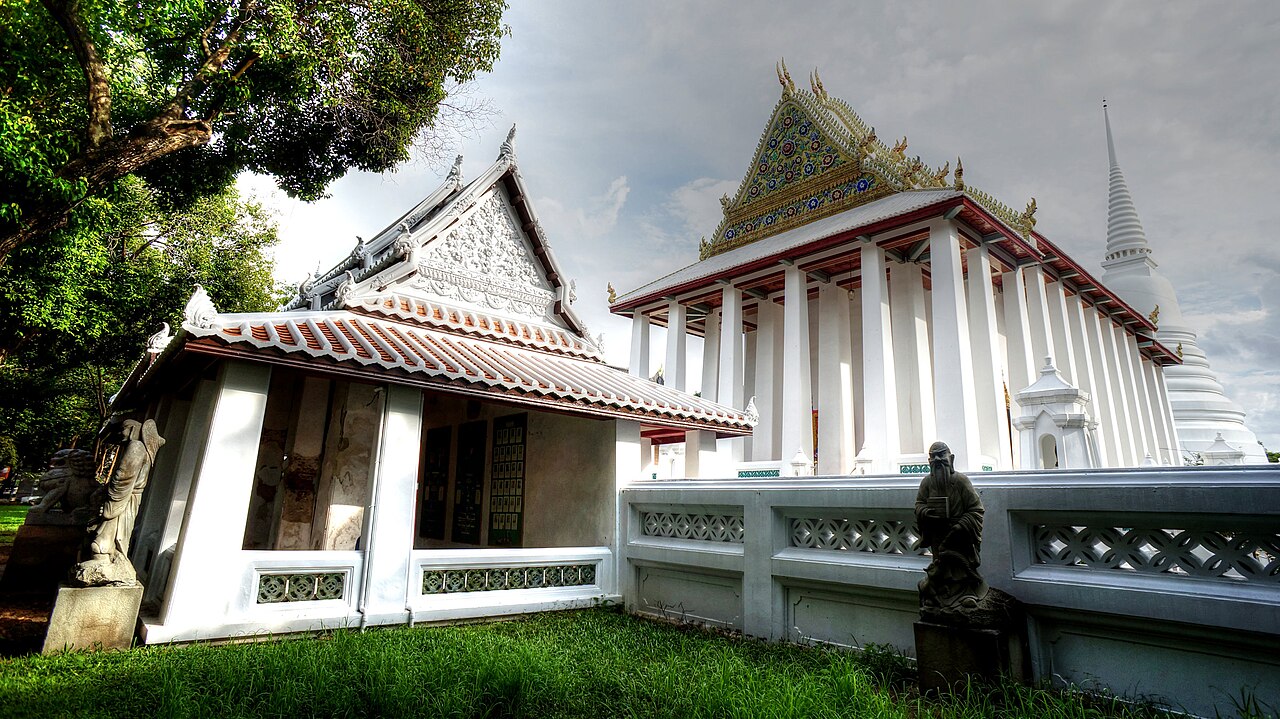
Wat Chaloem Phra Kiat Worawihan, whose Thai name translates roughly as "Temple of Glorified Royal Honour", stands within the Bang Si Mueang Subdistrict of Mueang Nonthaburi, its compound set directly beside the Chao Phraya River. Classified among the second rank of provincial royal Temples, it occupies a place of quiet distinction comparable to Wat Paramaiyikawat on Ko Kret.
What immediately sets the compound apart from ordinary Thai Temples is the fortified perimeter wall that encircles it, echoing the crenellated ramparts of the Grand Palace rather than the open boundaries more commonly seen at provincial monasteries. This defensive form recalls the site's earlier identity as a military fortification called Pom Thapthim, the remains of which were carefully restored in 1992.
At the heart of the complex stands the ordination hall, a structure that fuses Thai and Chinese architectural sensibilities into a composition of considerable grandeur. Within its sanctuary resides the principal Buddha image in the Maravijaya posture, formally named Phra Buddha Maha Logapinantapatima, cast in the same royal foundry that produced the presiding image at Wat Ratchanatdaram on Rattanakosin Island. To the south, the grand sanctuary known as Wihan Sila Khao houses a separate principal image called Phra Sila Khao. Nearby, a chapel of similarly blended Thai-Chinese character shelters yet another revered figure, Phra Buddha Patima Chaiwat, also known as Phra Chai Lang Chang. Rising behind the chapel is a white Lankan-style chedi reaching forty-five metres, enshrining sacred relics of the Buddha within its core.
History
King Nangklao, Rama III, began the Temple in 1849 to honour his mother Queen Consort Sri Sulalai and his maternal grandparents, who had long lived on this stretch of riverbank, naming it Wat Chaloem Phra Kiat before the work was finished. Somdet Chao Phraya Borom Maha Prayurawongse directed the building until the king's death interrupted it, and his son Chaophraya Thiphakorawong completed the Temple in 1858 under King Mongkut, Rama IV, who that same year installed the Phra Sila Khao Buddha image in the southern sanctuary. The compound rose on the site of Pom Thapthim, an old riverside fort, and its perimeter walls still carry that fortress's crenellated form, restored in 1992.
Significance
Ordination hall, sanctuary, and chapel here all blend Thai and Chinese craftsmanship, a fusion that marks the Temple as a product of the trade and taste that shaped the Chao Phraya basin under the early Chakri kings. Behind the chapel a white Lankan-style chedi forty-five metres tall holds relics of the Buddha, and a monument to King Nangklao stands on the riverfront behind the compound, so the Temple still reads, more than a century and a half later, as an act of a son's devotion made permanent in brick and stucco.
Architecture
Thai-Chinese royal Temple architecture within a fortified perimeter wall recalling the Grand Palace's ramparts
Visiting
Hours
Hours not listed.
Contact
No contact details listed yet.
Address
Engage with Wat Chaloem Phra Kiat Worawihan
Through the four pathways
Seva सेवा — Service
Offer your time and skills here. The following opportunities are open at Wat Chaloem Phra Kiat Worawihan:
No Seva offerings listed yet.
Sādhana साधना — Practice
Learn the worship and practice associated with Wat Chaloem Phra Kiat Worawihan:
No Sādhana offerings listed yet.
Sandhāna सन्धान — Wisdom
Unite with the wisdom of this tradition:
No Sandhāna offerings listed yet.
Sādhya साध्य — Giving
Support this sacred place according to your means:
No Sādhya offerings listed yet.
All giving flows directly to Wat Chaloem Phra Kiat Worawihan. Adisthan does not take a commission.
Gallery
Related sacred places
 Buddhism
Angkor Wat
Siem Reap · Cambodia · temple
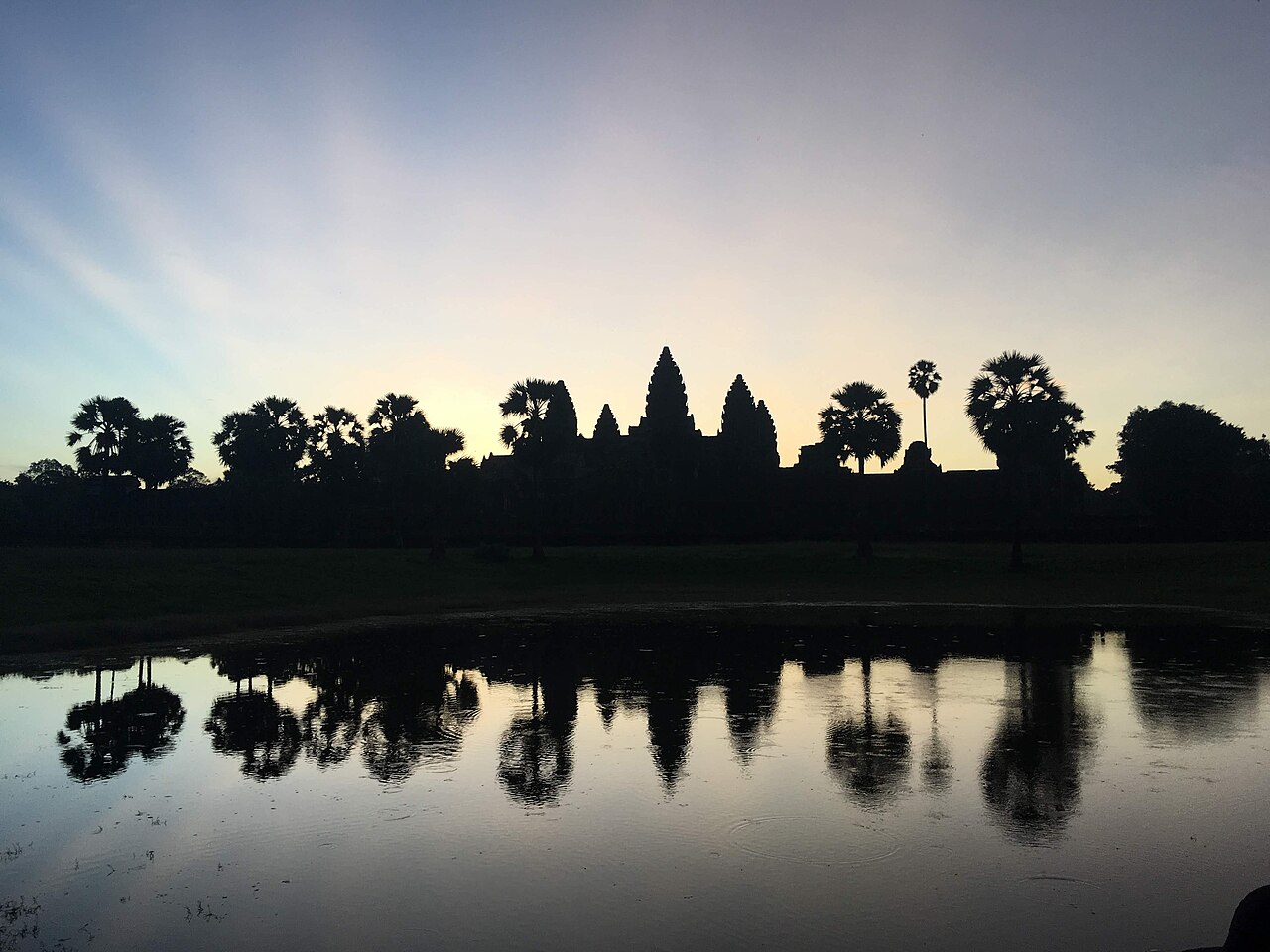
The largest religious monument on earth, built for Lord Vishnu by Suryavarman II in the 12th century and in continuous worship ever since: a living Theravada Buddhist Temple whose five towers stand on the Cambodian flag.
 Buddhism
Bangka Lungshan Temple
Taipei (Wanhua) · Taiwan · temple
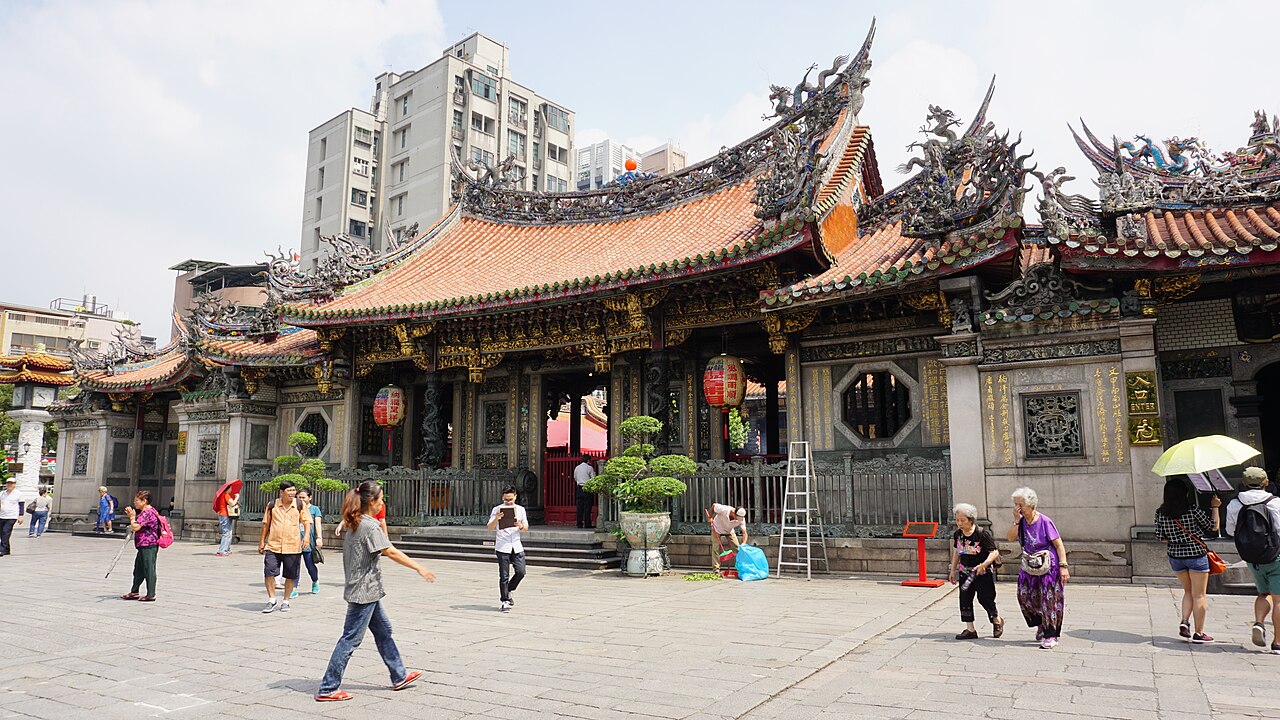
Taipei's mother Temple to Guanshiyin, founded by Fujian settlers in 1738 in the old Bangka quarter: a front hall to the bodhisattva of compassion and a rear hall of more than a hundred Taoist and folk gods, whose Guanyin statue survived the 1945 bombing intact.
 Buddhism
Bengal Buddhist Association
Kolkata · India · monastery
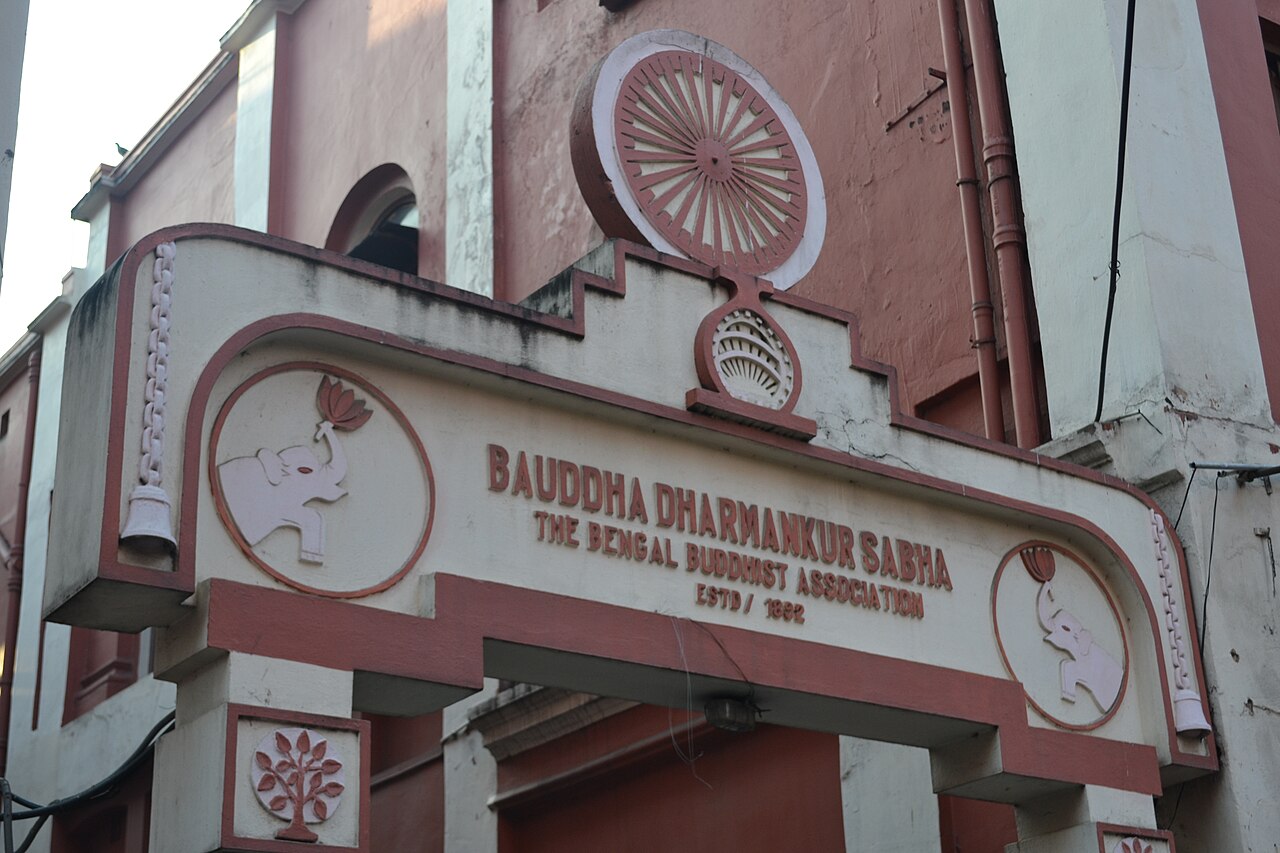
Founded in Kolkata in 1892 by Kripasaran Mahasthavir, the Bengal Buddhist Association, known in Bengali as Bauddha Dharmankur Sabha, raised the Dharmankur Vihara at Bow Barracks in 1903 and has worked for over a century to revive the Dharma in eastern India.
 Buddhism
Bhot Bagan Math
Ghusuri · India · monastery
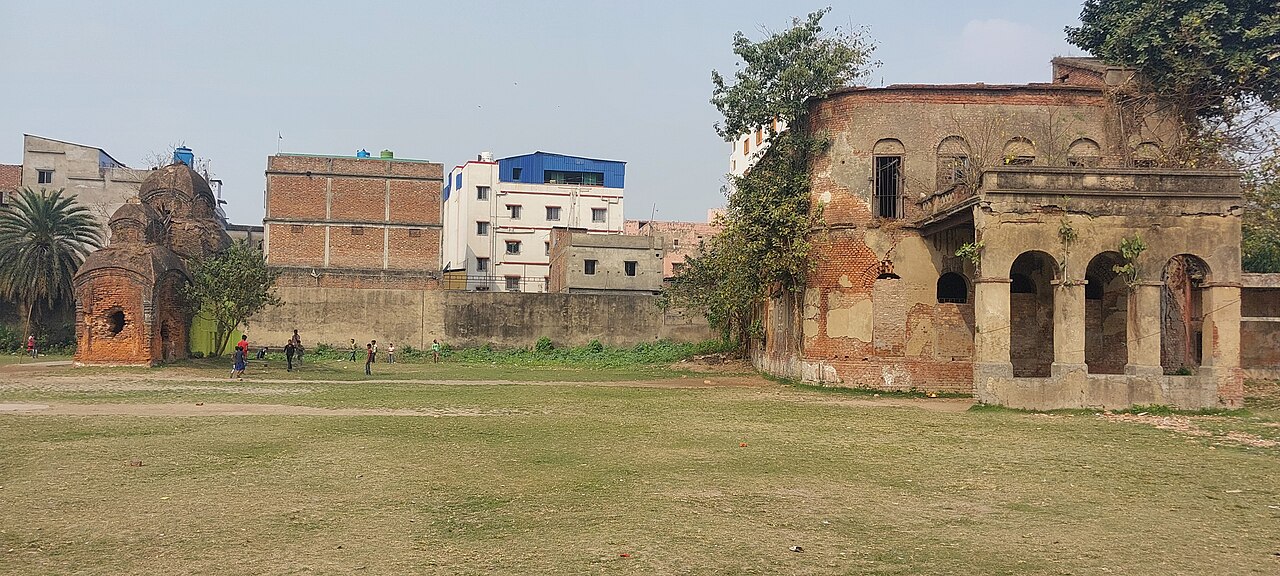
A brick monastery on the Hooghly riverside at Ghusuri, Howrah, founded in 1776 as the first Tibetan Buddhist religious foundation on the plains of India and still known popularly as Mahakal Math for the Tibetan deity images once installed in its sanctum.
 Buddhism
Borobudur
Magelang · Indonesia · temple
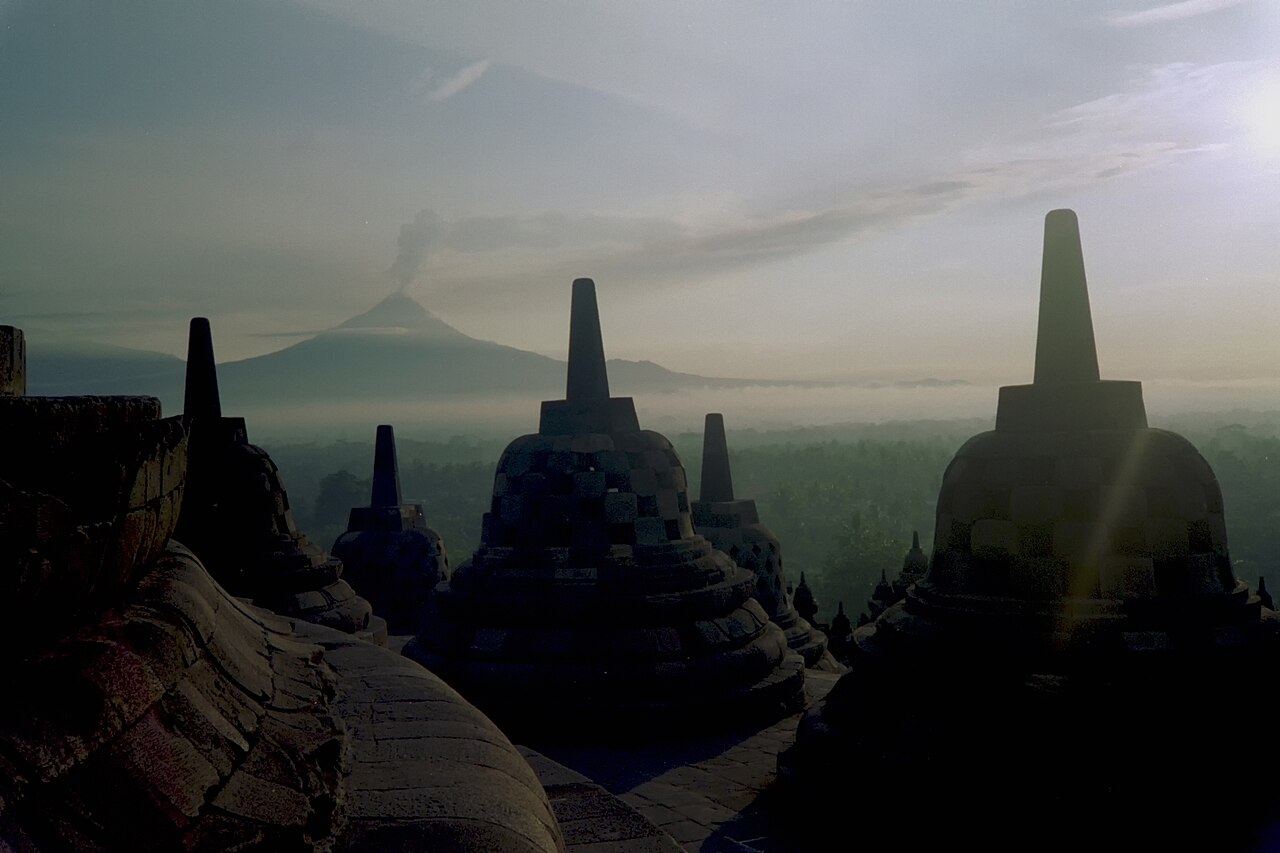
The world's largest Buddhist Temple: a ninth-century mandala in stone on Java's Kedu Plain, nine terraces rising through the three realms to 72 latticed stupas, each sheltering a seated Buddha.
 Buddhism
Boudhanath Stupa
Kathmandu · Nepal · stupa
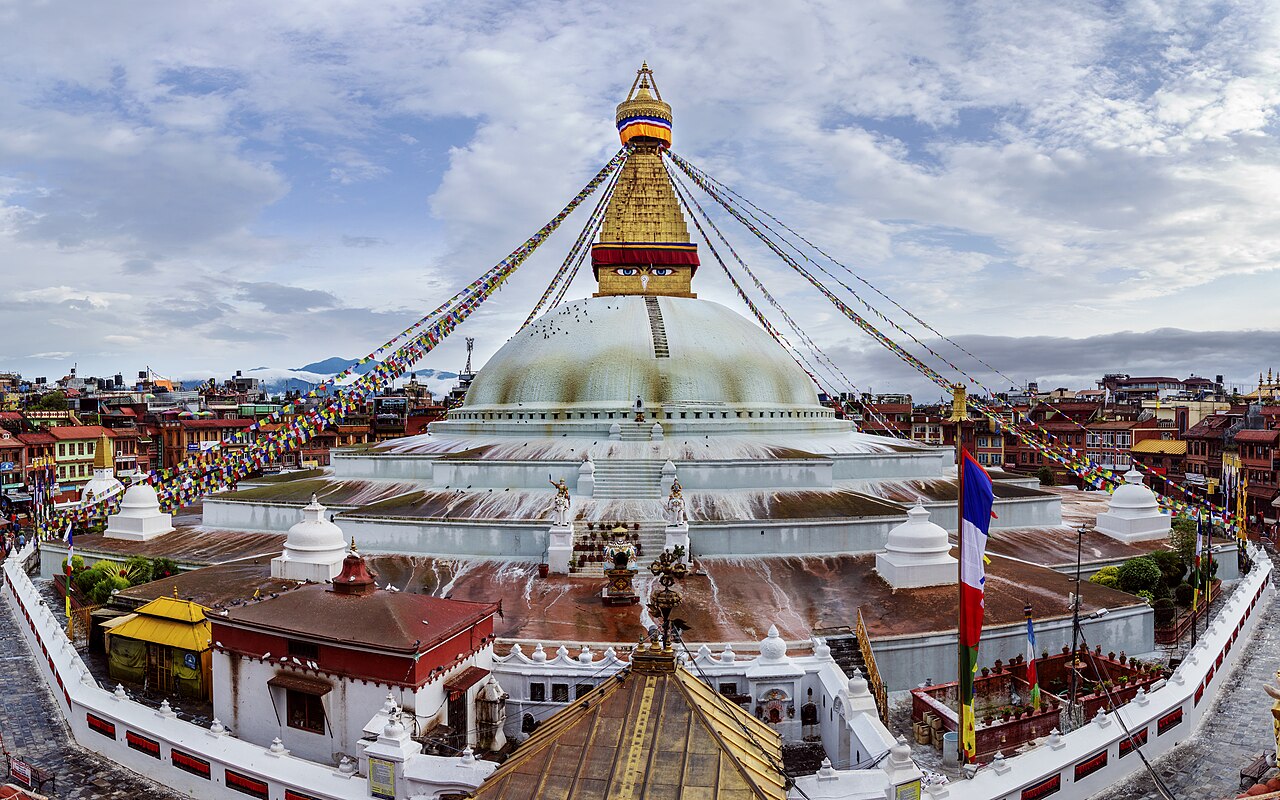
The largest spherical stupa in Nepal, its all-seeing Buddha eyes watching over the kora walked daily by the Tibetan Buddhist community of Boudha, the heart of Vajrayana practice in the Kathmandu Valley.