
Wat Chet Yot
Wat Photharam Maha Wihan · Wat Ched Yod · วัดเจ็ดยอด
About
Wat Chet Yot, formally Wat Photharam Maha Wihan, stands northwest of Chiang Mai's old city. Its Thai name means 'seven-spired Temple', a direct reference to the seven slender chedi that crown its principal sanctuary. The wat holds particular significance as a place of pilgrimage for devotees born under the zodiacal sign of the Snake.
King Tilokarat commissioned the Temple in 1455 CE after sending monks to study the design of the Mahabodhi Temple at Bagan, itself a Burmese reflection of the original Mahabodhi at Bodh Gaya, where the Buddha is said to have attained enlightenment. The king planted a bodhi tree on the site that same year, and in 1476 raised a larger sanctuary for the celebration commemorating two thousand years of the Buddha Sasana.
The following year, the Temple hosted the eighth Buddhist World Council, convened to renew the Tripitaka. The central Maha Pho wihan, with its pyramid-like central spire surrounded by four smaller pyramidal spires and two bell-shaped chedis upon the side annexes, recalls its Indian model. Its exterior bears seventy stucco reliefs of devas, whose faces tradition holds were modelled on relatives of King Tilokarat.
A barrel-vaulted corridor leads through the central building to a Buddha image. Across the grounds, Lanna-style chedis hold the ashes of King Tilokarat, and a square mondop near the southern pond shelters a Buddha protected by the naga Mucalinda.
History
King Tilokarat founded the wat in 1455 after sending monks to study the Mahabodhi Temple at Bagan in Burma, itself built in the image of the original Mahabodhi at Bodh Gaya where the Buddha attained enlightenment. The Jinakalamali chronicle records that the king planted a bodhi tree on the site that same year and raised a larger sanctuary in 1476, most likely for the festival marking two thousand years of the Buddha Sasana, and the following year the wat hosted the eighth Buddhist World Council convened to renew the Tripitaka. The largest of the Lanna-style chedis scattered through the grounds today holds King Tilokarat's own cremated remains.
Significance
The central sanctuary's seven pyramidal spires, rising from a windowless brick hall and ringed by seventy weathered stucco reliefs of devas said to bear the faces of the king's own relatives, make the wat unlike any other Temple in Chiang Mai and a direct link to the Indian ground where the Buddha sat beneath the bodhi tree. Lanna tradition holds this wat as the pilgrimage Temple for devotees born in the year of the Snake, who come to pay respect at the chedi housing King Tilokarat's remains.
Architecture
Lanna Buddhist architecture modelled on the Mahabodhi Temple of Bodh Gaya via Bagan, Burma; a seven-spired brick sanctuary alongside later Lanna-style bell chedis
Visiting
Hours
Hours not listed.
Contact
No contact details listed yet.
Address
Engage with Wat Chet Yot
Through the four pathways
Seva सेवा — Service
Offer your time and skills here. The following opportunities are open at Wat Chet Yot:
No Seva offerings listed yet.
Sādhana साधना — Practice
Learn the worship and practice associated with Wat Chet Yot:
No Sādhana offerings listed yet.
Sandhāna सन्धान — Wisdom
Unite with the wisdom of this tradition:
No Sandhāna offerings listed yet.
Sādhya साध्य — Giving
Support this sacred place according to your means:
No Sādhya offerings listed yet.
All giving flows directly to Wat Chet Yot. Adisthan does not take a commission.
Gallery
Related sacred places
 Buddhism
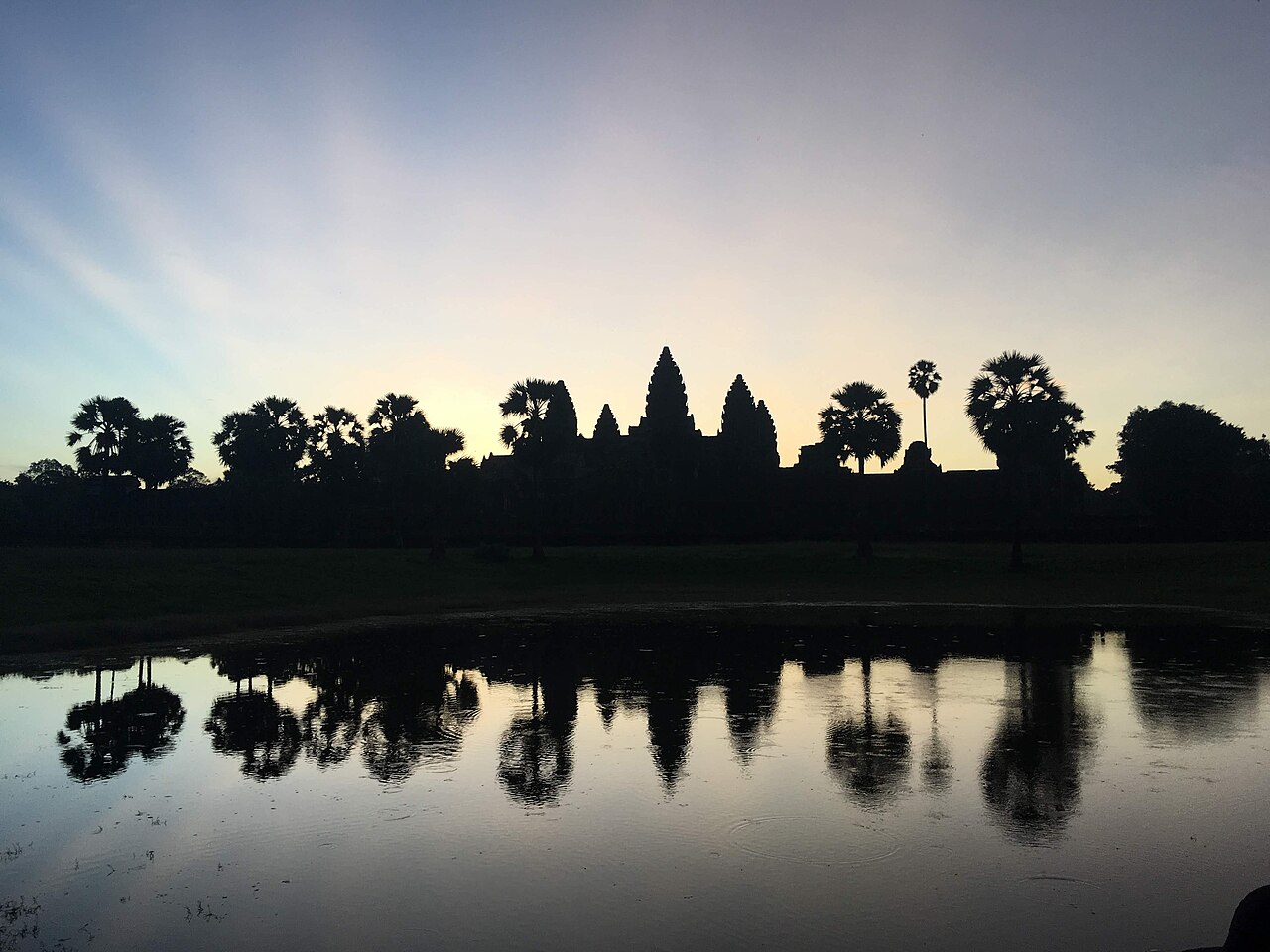
Angkor Wat
Siem Reap · Cambodia · temple
The largest religious monument on earth, built for Lord Vishnu by Suryavarman II in the 12th century and in continuous worship ever since: a living Theravada Buddhist Temple whose five towers stand on the Cambodian flag.
 Buddhism
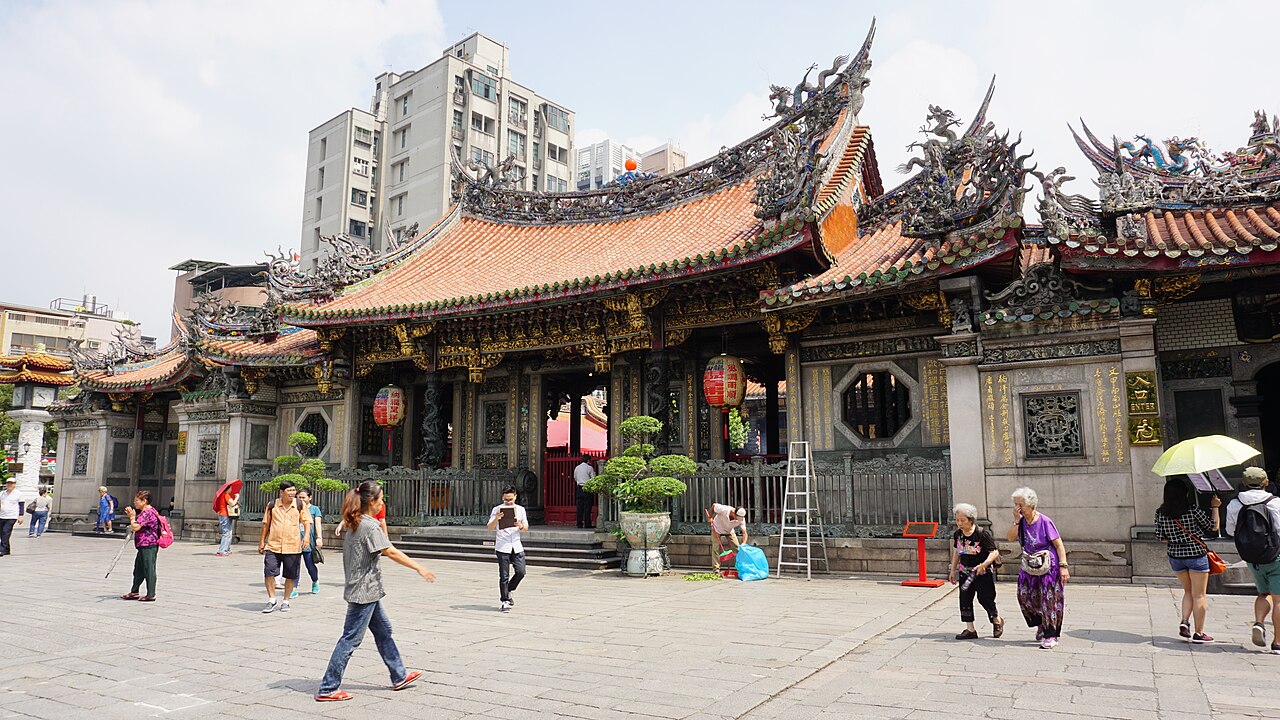
Bangka Lungshan Temple
Taipei (Wanhua) · Taiwan · temple
Taipei's mother Temple to Guanshiyin, founded by Fujian settlers in 1738 in the old Bangka quarter: a front hall to the bodhisattva of compassion and a rear hall of more than a hundred Taoist and folk gods, whose Guanyin statue survived the 1945 bombing intact.
 Buddhism
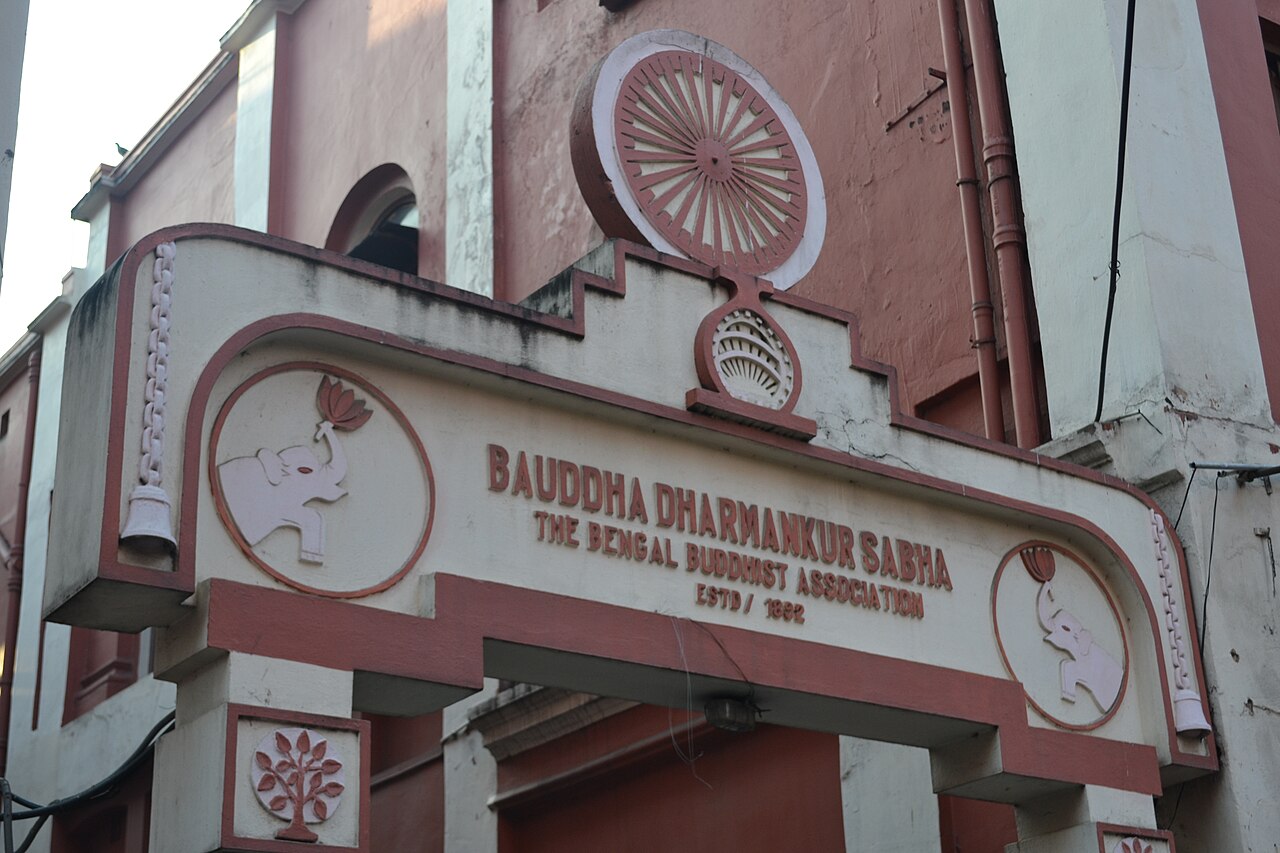
Bengal Buddhist Association
Kolkata · India · monastery
Founded in Kolkata in 1892 by Kripasaran Mahasthavir, the Bengal Buddhist Association, known in Bengali as Bauddha Dharmankur Sabha, raised the Dharmankur Vihara at Bow Barracks in 1903 and has worked for over a century to revive the Dharma in eastern India.
 Buddhism
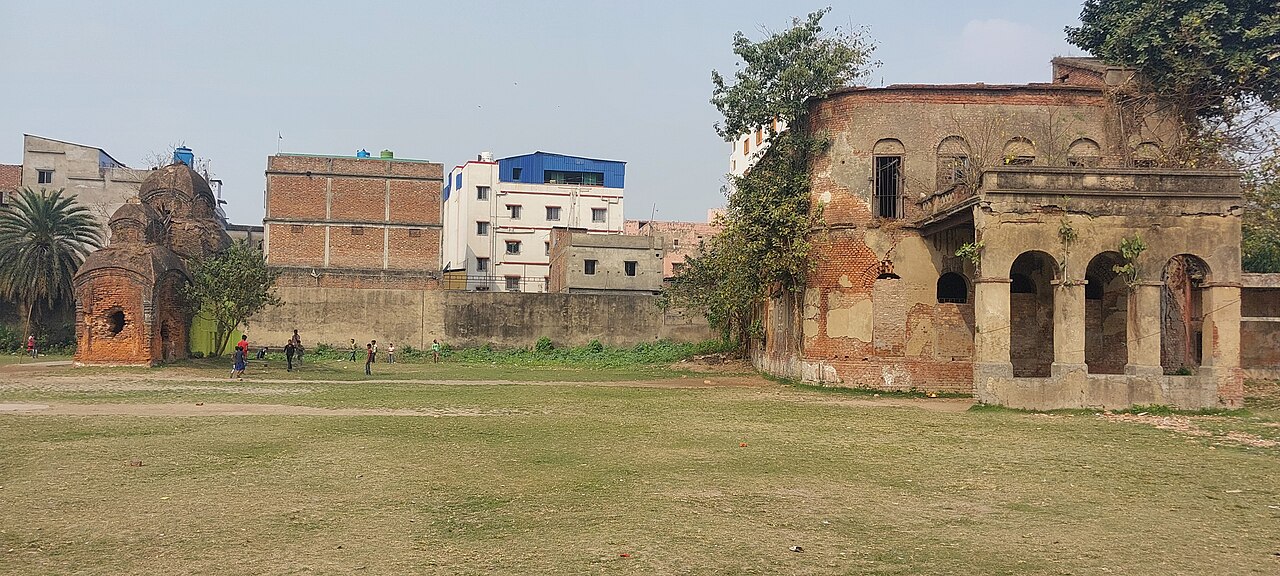
Bhot Bagan Math
Ghusuri · India · monastery
A brick monastery on the Hooghly riverside at Ghusuri, Howrah, founded in 1776 as the first Tibetan Buddhist religious foundation on the plains of India and still known popularly as Mahakal Math for the Tibetan deity images once installed in its sanctum.
 Buddhism
Borobudur
Magelang · Indonesia · temple
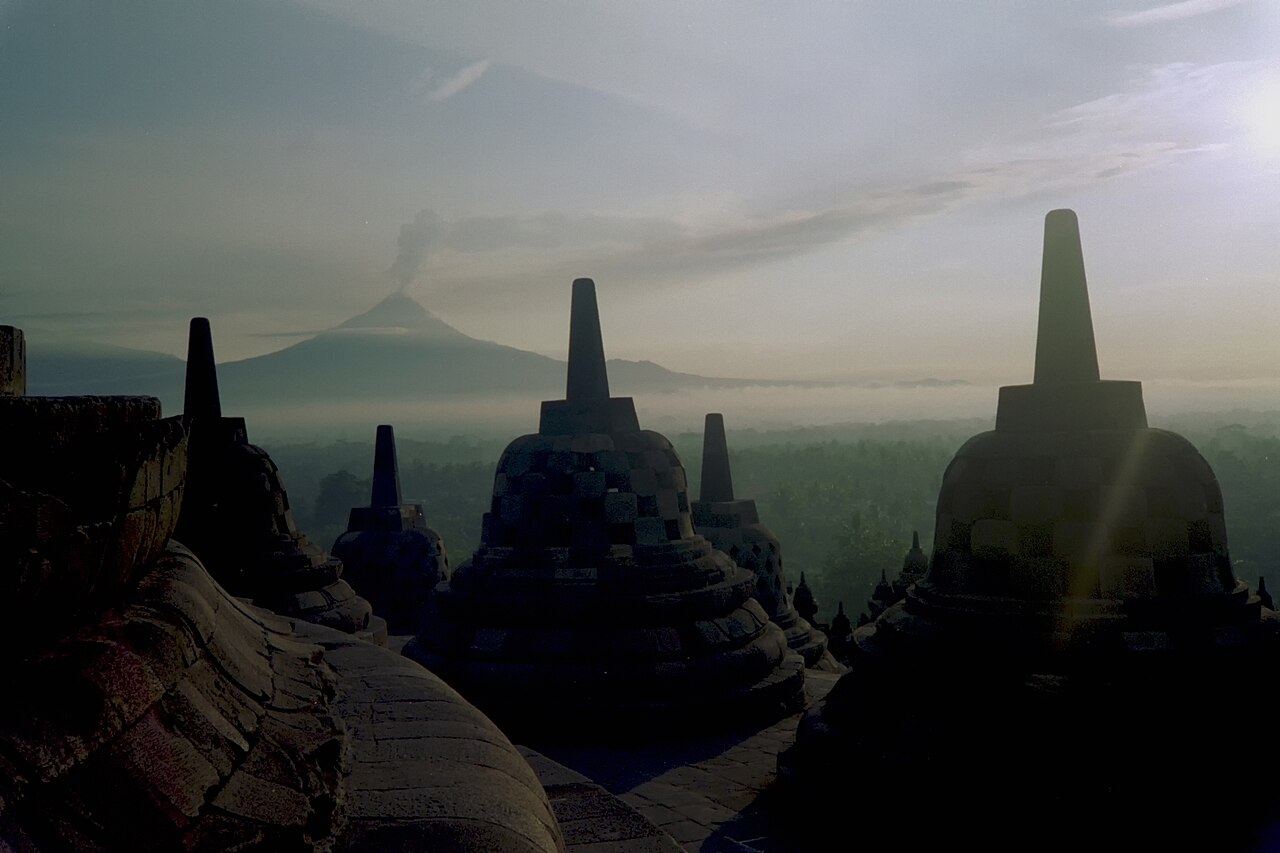
The world's largest Buddhist Temple: a ninth-century mandala in stone on Java's Kedu Plain, nine terraces rising through the three realms to 72 latticed stupas, each sheltering a seated Buddha.
 Buddhism
Boudhanath Stupa
Kathmandu · Nepal · stupa
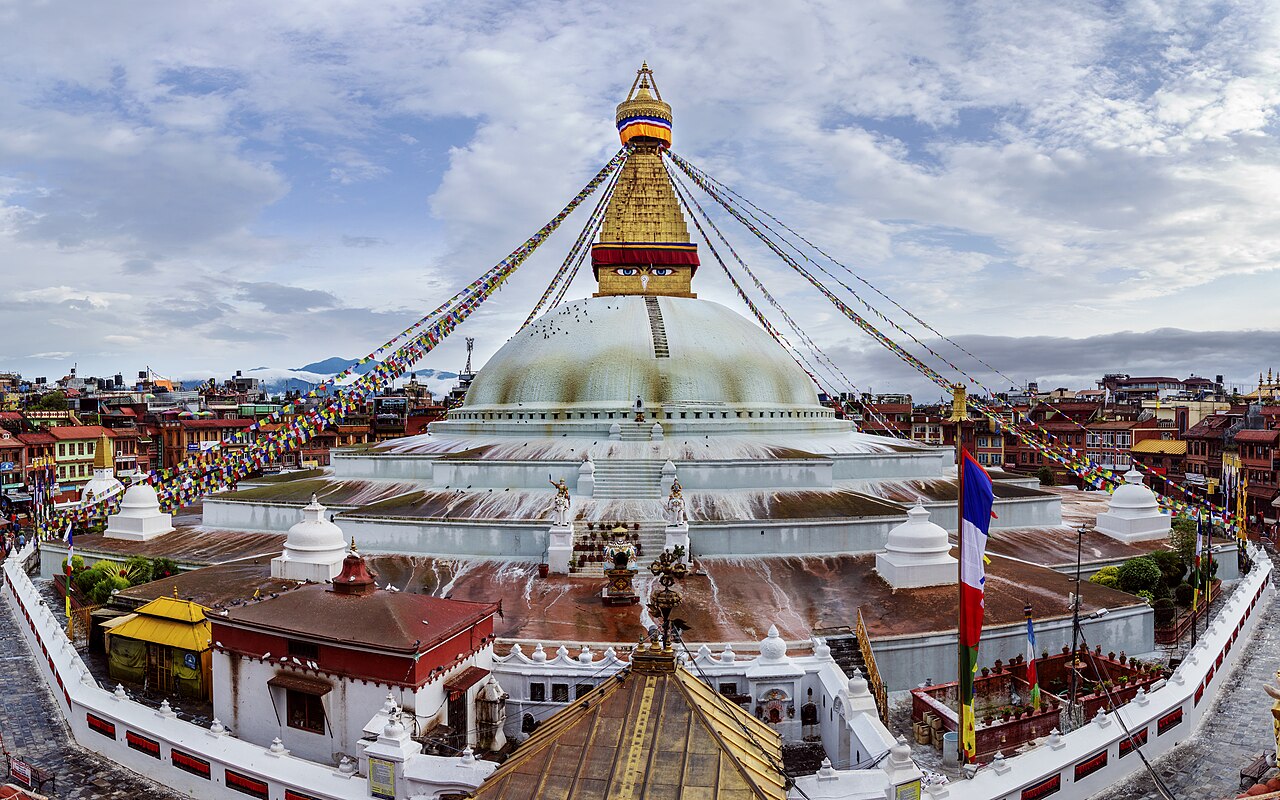
The largest spherical stupa in Nepal, its all-seeing Buddha eyes watching over the kora walked daily by the Tibetan Buddhist community of Boudha, the heart of Vajrayana practice in the Kathmandu Valley.