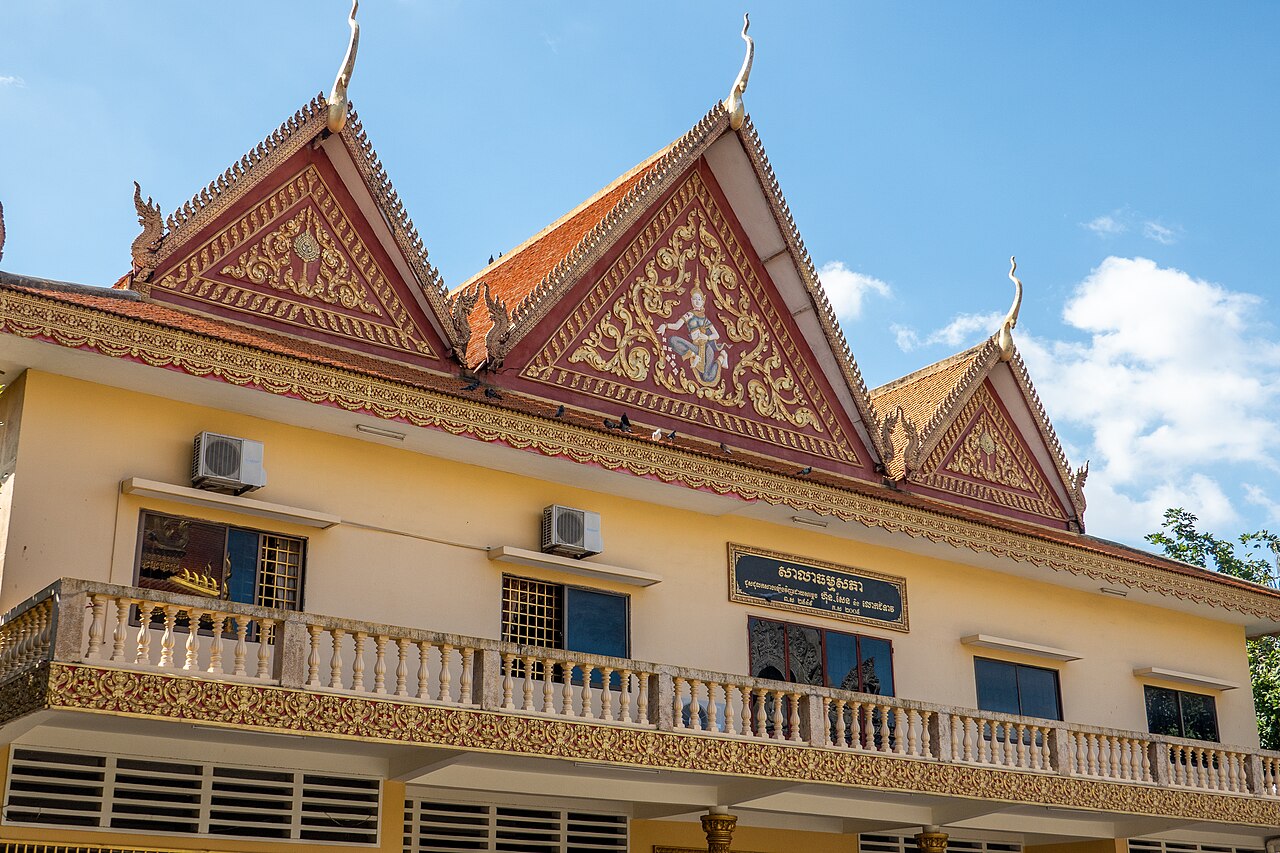
Wat Langka
វត្តលង្កា · Vôtt Lôngka · Wat Langka, Phnom Penh
About
Wat Langka stands southwest of the Independence Monument in central Phnom Penh, near Sihanouk Boulevard and Street 51. It is counted among the five most ancient pagodas of the Cambodian capital and was established in 1442 CE during the reign of King Ponhea Yat, the founder of Phnom Penh.
The Temple was raised first as a refuge and as a safe repository for the Tripitaka, the canonical Buddhist scriptures, and as a meeting place for monks travelling between Cambodia and Sri Lanka. Its very name, Wat Langka, was chosen to commemorate that gathering, Langka being the Khmer rendering of Lanka, the historic island of Theravada learning to the south of India.
The Cambodian Royal Chronicles record that Ponhea Yat restored Wat Phnom Don Penh and ordered the construction of canals, roads, and several other Temples around the new capital. Among these were Wat Koh, Wat Langka, and Wat Preah Buddhagosachar, three Temples whose shared names recall the story of Buddhaghosa, the great fifth-century commentator who carried the scriptures from Sri Lanka.
In the dark years of the Khmer Rouge regime, the precinct was used as a storage warehouse, a grim repurposing that, by an unintended grace, spared the Temple from the more thorough destruction visited on many other Cambodian wats.
History
King Ponhea Yat, founder of Phnom Penh, established Wat Langka in 1442 CE as part of his new capital, raising it alongside canals, roads, and the great stupa of Wat Phnom to house the Tripitaka and shelter the Sangha. Its name recalls Langka, the Khmer rendering of Lanka, the island from which the fifth-century commentator Buddhaghosa carried the scriptures, and the Temple was built in part as a meeting place for Khmer and Sri Lankan monks. During the Khmer Rouge years the compound was pressed into use as a storage warehouse, a grim repurposing that inadvertently spared it from the destruction visited on many other Cambodian wats.
Significance
Wat Langka is counted among the five most ancient pagodas of Phnom Penh, sharing its founding story with Wat Koh and Wat Preah Buddhagosachar in a naming pattern that honors Buddhaghosa's transmission of the scriptures from Sri Lanka. Unlike Temples kept mainly for visitors, it remains a working monastery and training center for monks, and it holds evening meditation sessions open to those who wish to sit. Its survival through the twentieth century's darkest years gives it particular weight among Phnom Penh's Buddhist community today.
Architecture
Khmer Buddhist monastery architecture: tiered naga-finial roofs and gilded stucco ornament
Visiting
Hours
Hours not listed.
Contact
No contact details listed yet.
Engage with Wat Langka
Through the four pathways
Seva सेवा — Service
Offer your time and skills here. The following opportunities are open at Wat Langka:
No Seva offerings listed yet.
Sādhana साधना — Practice
Learn the worship and practice associated with Wat Langka:
No Sādhana offerings listed yet.
Sandhāna सन्धान — Wisdom
Unite with the wisdom of this tradition:
No Sandhāna offerings listed yet.
Sādhya साध्य — Giving
Support this sacred place according to your means:
No Sādhya offerings listed yet.
All giving flows directly to Wat Langka. Adisthan does not take a commission.
Festivals & Events
- Oct
Pchum Ben (Ancestors' Day)
10 October 2026 · annual
Over a fifteen-day observance climaxing in three, Cambodian Buddhists bring rice and food offerings to monasteries before dawn to honor the spirits of their ancestors, a rite Wat Langka keeps as one of the oldest pagodas in the capital.
- Apr
Choul Chnam Thmey (Khmer New Year)
14 April 2027 · annual
The traditional solar new year is marked over three days with Temple offerings, water blessings, and merit-making at the pagoda.
- May
Visak Bochea
20 May 2027 · annual
Cambodia's most sacred Buddhist observance, marking the Buddha's birth, enlightenment, and passing on a single full-moon day, draws devotees to Wat Langka for candlelit evening processions.
Gallery
Related sacred places
 Buddhism
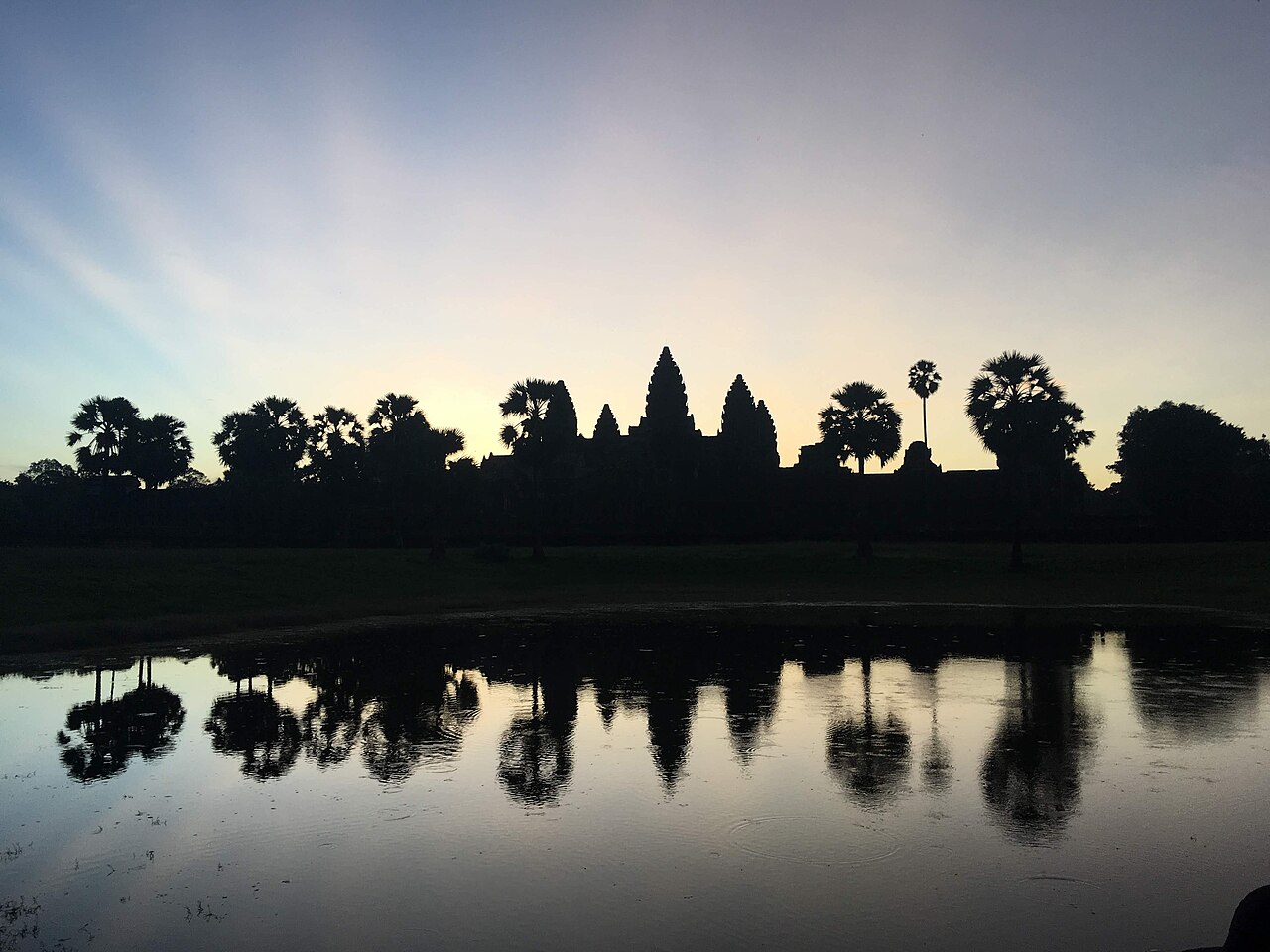
Angkor Wat
Siem Reap · Cambodia · temple
The largest religious monument on earth, built for Lord Vishnu by Suryavarman II in the 12th century and in continuous worship ever since: a living Theravada Buddhist Temple whose five towers stand on the Cambodian flag.
 Buddhism
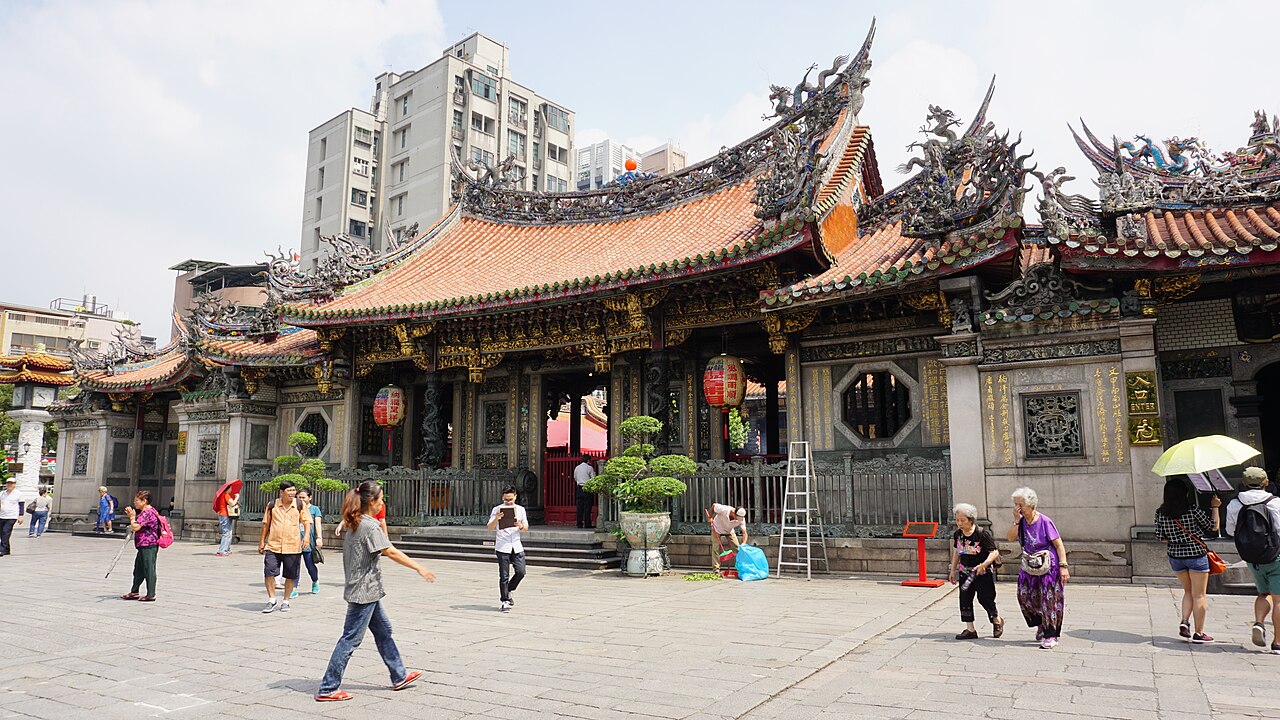
Bangka Lungshan Temple
Taipei (Wanhua) · Taiwan · temple
Taipei's mother Temple to Guanshiyin, founded by Fujian settlers in 1738 in the old Bangka quarter: a front hall to the bodhisattva of compassion and a rear hall of more than a hundred Taoist and folk gods, whose Guanyin statue survived the 1945 bombing intact.
 Buddhism
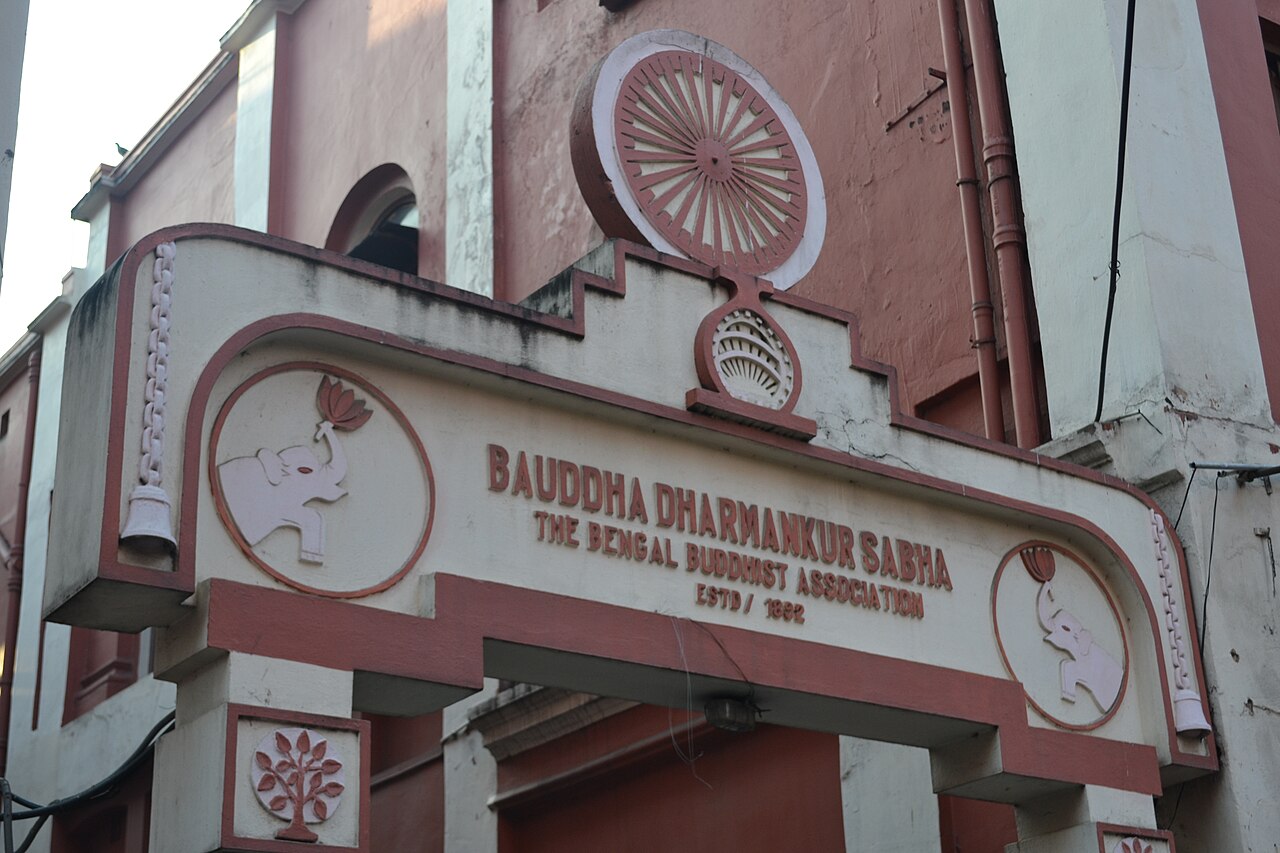
Bengal Buddhist Association
Kolkata · India · monastery
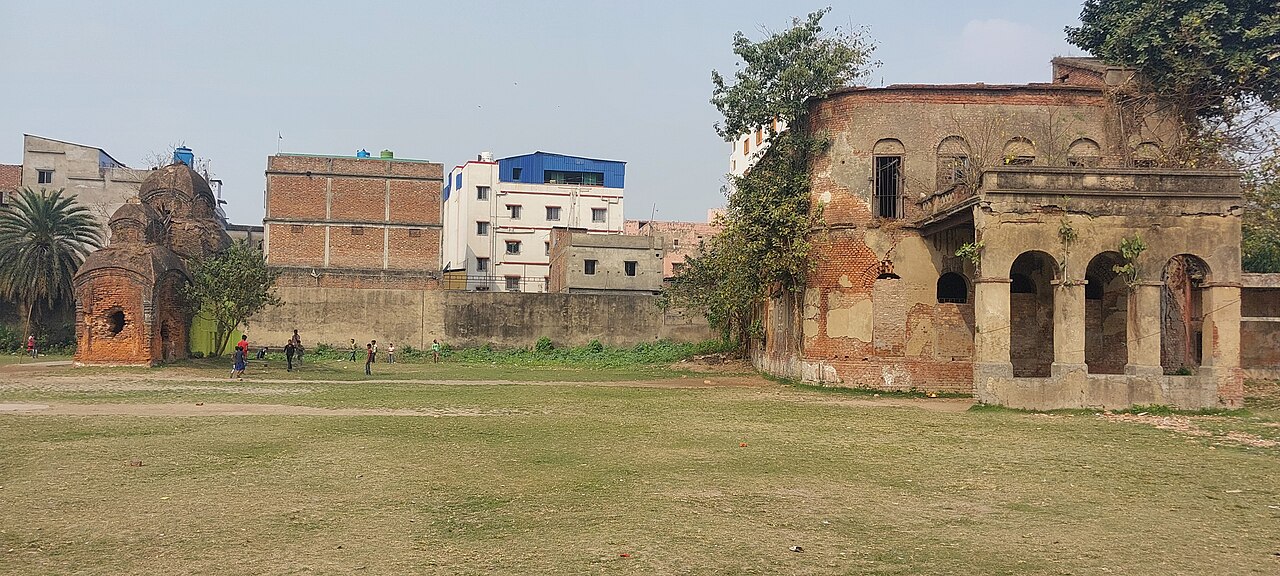
Founded in Kolkata in 1892 by Kripasaran Mahasthavir, the Bengal Buddhist Association, known in Bengali as Bauddha Dharmankur Sabha, raised the Dharmankur Vihara at Bow Barracks in 1903 and has worked for over a century to revive the Dharma in eastern India.
 Buddhism
Bhot Bagan Math
Ghusuri · India · monastery
A brick monastery on the Hooghly riverside at Ghusuri, Howrah, founded in 1776 as the first Tibetan Buddhist religious foundation on the plains of India and still known popularly as Mahakal Math for the Tibetan deity images once installed in its sanctum.
 Buddhism
Borobudur
Magelang · Indonesia · temple
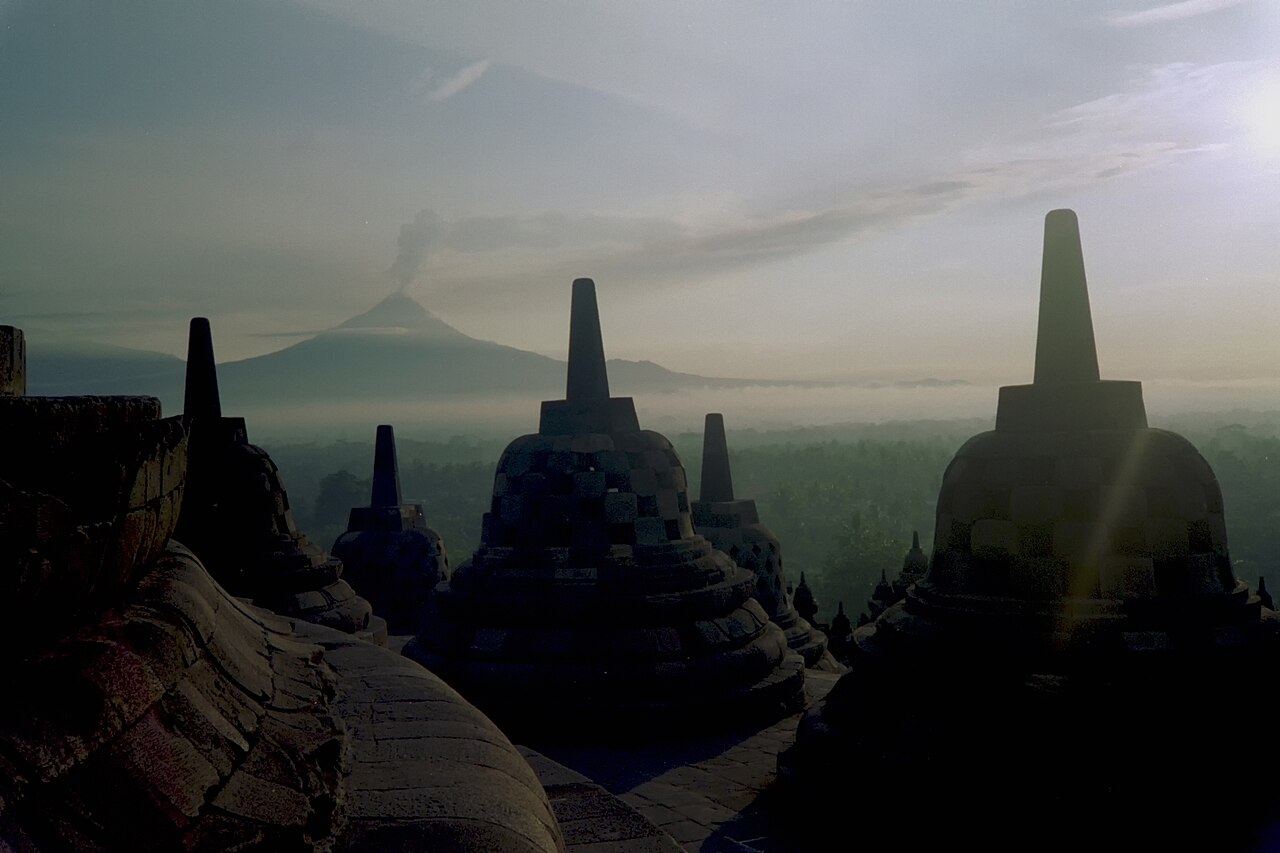
The world's largest Buddhist Temple: a ninth-century mandala in stone on Java's Kedu Plain, nine terraces rising through the three realms to 72 latticed stupas, each sheltering a seated Buddha.
 Buddhism
Boudhanath Stupa
Kathmandu · Nepal · stupa
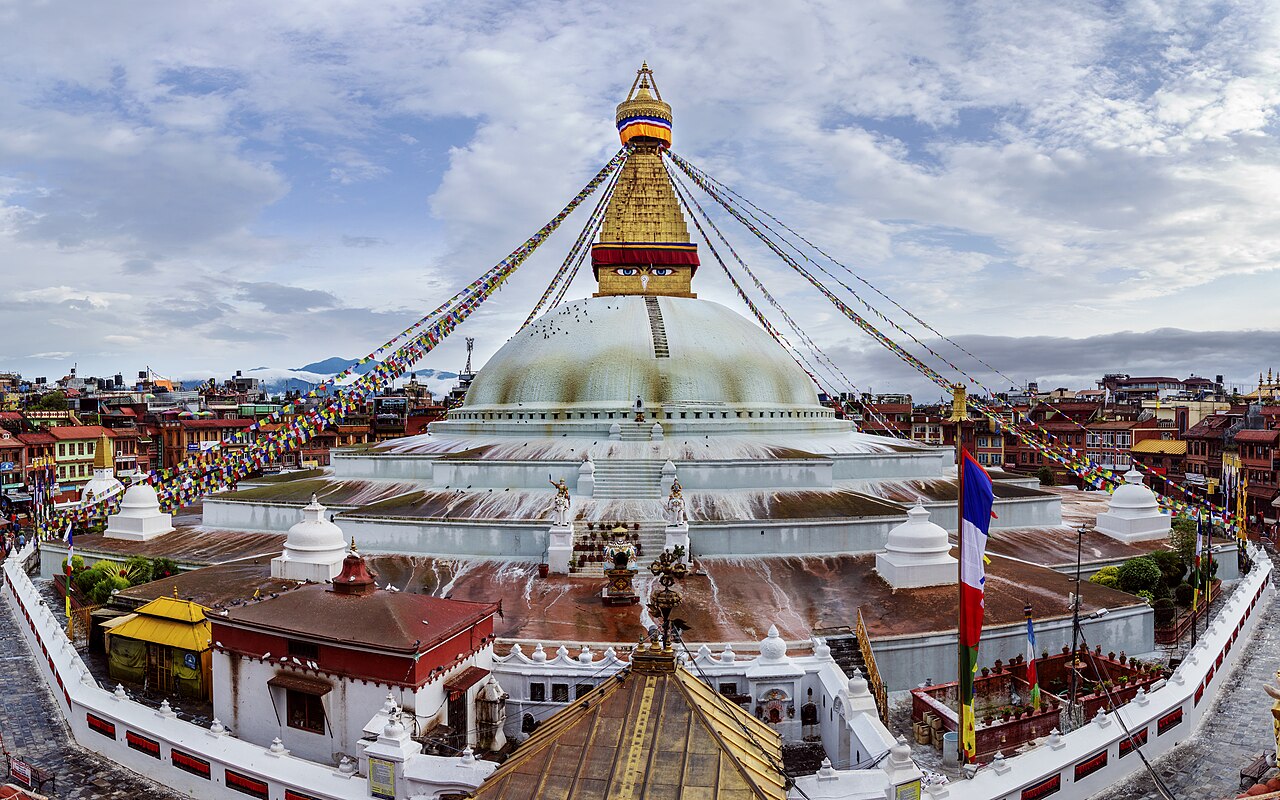
The largest spherical stupa in Nepal, its all-seeing Buddha eyes watching over the kora walked daily by the Tibetan Buddhist community of Boudha, the heart of Vajrayana practice in the Kathmandu Valley.