Wat Mangkon Kamalawat
Wat Leng Noei Yi · วัดเล่งเน่ยยี่ · 龍蓮寺 (Dragon Lotus Temple) · วัดมังกรกมลาวาส
About
Wat Mangkon Kamalawat, older devotees still call it Wat Leng Noei Yi, is the largest and most significant Chinese Buddhist Temple in Bangkok. It rises in the Pom Prap Sattru Phai district, between sois Charoen Krung 19 and 21, deep within the city's Chinatown.
Founded in 1871 or 1872 by Phra Archan Chin Wang Samathiwat as a Mahayana foundation, the Temple was originally consecrated as Wat Leng Noei Yi. Its present name, bestowed by King Chulalongkorn, means 'Dragon Lotus Temple' and gestures to the sweeping dragon-adorned rooflines that crown its principal halls.
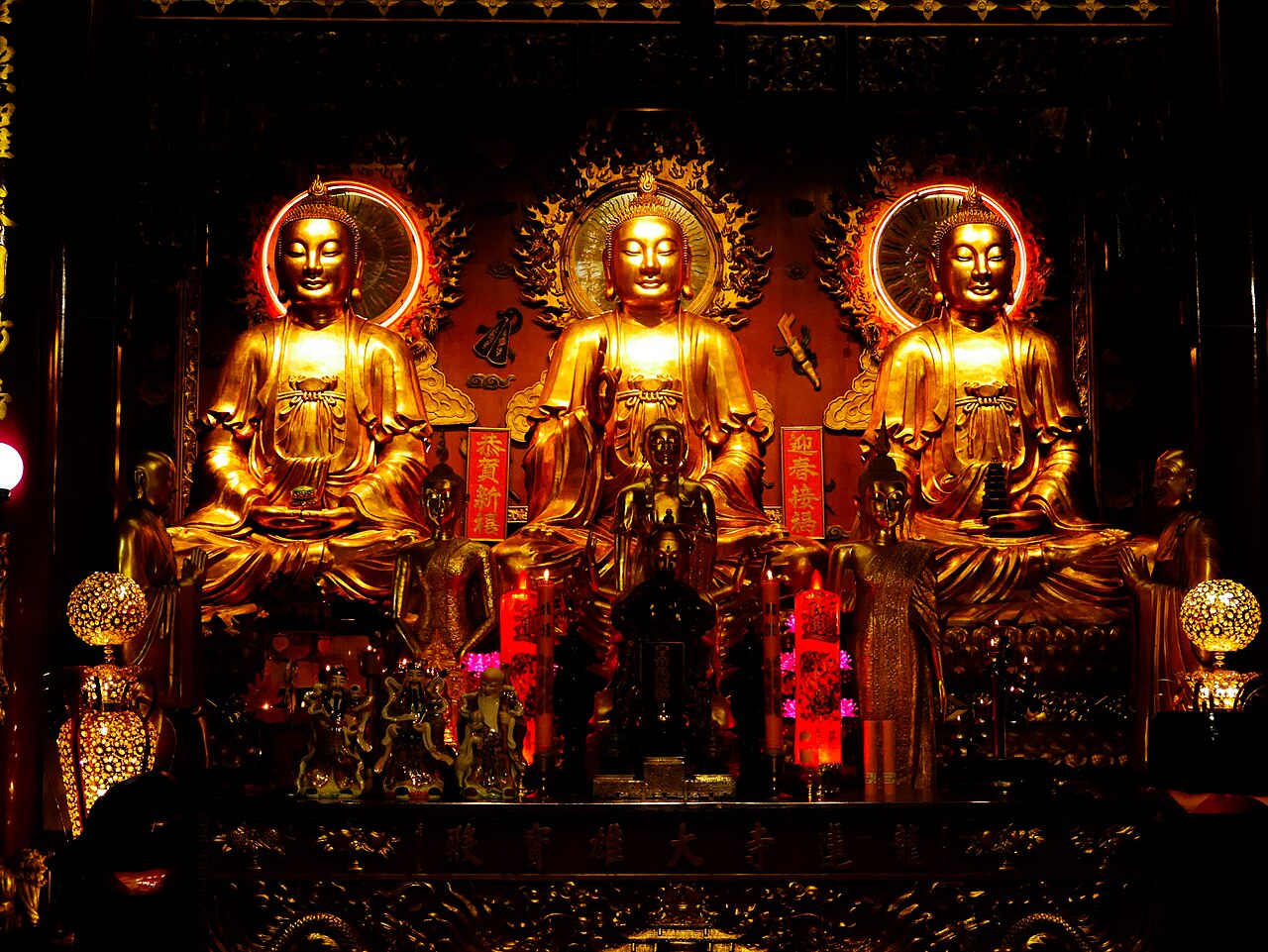
The architecture is unmistakably Chinese, with tiled curving roofs and painted floral motifs. The ordination hall holds the principal Buddha image, gilded in a fusion of Thai and Chinese sensibility. At the sermon hall, the four guardians of the world, the Chatulokkaban in warrior attire, flank the entrance, and inner shrines honour bodhisattvas alongside Taoist and Confucian figures cherished within Sino-Thai devotion.
Three pavilions stand at the rear: one dedicated to Guan Yin, the bodhisattva of compassion; one to the founder Phra Archan Chin Wang Samathiwat; and one to the saint Lak Chao. In the forecourt, a small furnace receives ritual paper offerings made to ancestors.
History
A Chinese monk remembered as Phra Archan Chin Wang Samathiwat, or Sok Heng, founded the Temple in 1871 as Wat Leng Noei Yi, completing construction after roughly eight years of building in the manner of Teochew craftsmen from southern China. Its present name, meaning Dragon Lotus Temple, was bestowed in 1912 by King Vajiravudh, Rama VI, though devotees still speak the older Chinese name today. The shrine hall holds a gilded triad of Buddha images beneath carved dragon and flame motifs, and pavilions to the rear honor the Temple's founder, the bodhisattva Guan Yin, and the saint Lak Chao.
Significance
As the founding Temple of the Chinese Sangha in Thailand, it anchors the devotional life of Bangkok's Chinese Buddhist community and draws worshippers of many backgrounds during Chinese New Year and the vegetarian festival, when its courtyards fill with incense and lantern light. Shrines to Buddhist, Taoist, and Confucian figures share its grounds, reflecting the blended devotion of Sino-Thai practice. A furnace in the forecourt still receives paper offerings burned in remembrance of ancestors, a rite as old as the Temple itself.
Architecture
Southern Chinese Teochew (Chaozhou) Temple architecture
Visiting
Daily worship
| Temple open for worship and incense offering | 08:00 to 16:00 |
Hours
Hours not listed.
Contact
No contact details listed yet.
Address
Engage with Wat Mangkon Kamalawat
Through the four pathways
Seva सेवा — Service
Offer your time and skills here. The following opportunities are open at Wat Mangkon Kamalawat:
No Seva offerings listed yet.
Sādhana साधना — Practice
Learn the worship and practice associated with Wat Mangkon Kamalawat:
No Sādhana offerings listed yet.
Sandhāna सन्धान — Wisdom
Unite with the wisdom of this tradition:
No Sandhāna offerings listed yet.
Sādhya साध्य — Giving
Support this sacred place according to your means:
No Sādhya offerings listed yet.
All giving flows directly to Wat Mangkon Kamalawat. Adisthan does not take a commission.
Festivals & Events
- Oct
Vegetarian Festival (Nine Emperor Gods Festival)
10 October 2026 · annual
For nine days in the ninth lunar month, the Temple becomes a center of the citywide vegetarian festival, its courtyards filled with worshippers dressed in white and stalls selling meat-free food to mark the observance.
- Feb
Chinese New Year
6 February 2027 · annual
Devotees crowd the Temple from before dawn to light the year's first incense before the golden Buddha triad and the shrine of Guan Yin.
Gallery
Related sacred places
 Buddhism
Angkor Wat
Siem Reap · Cambodia · temple
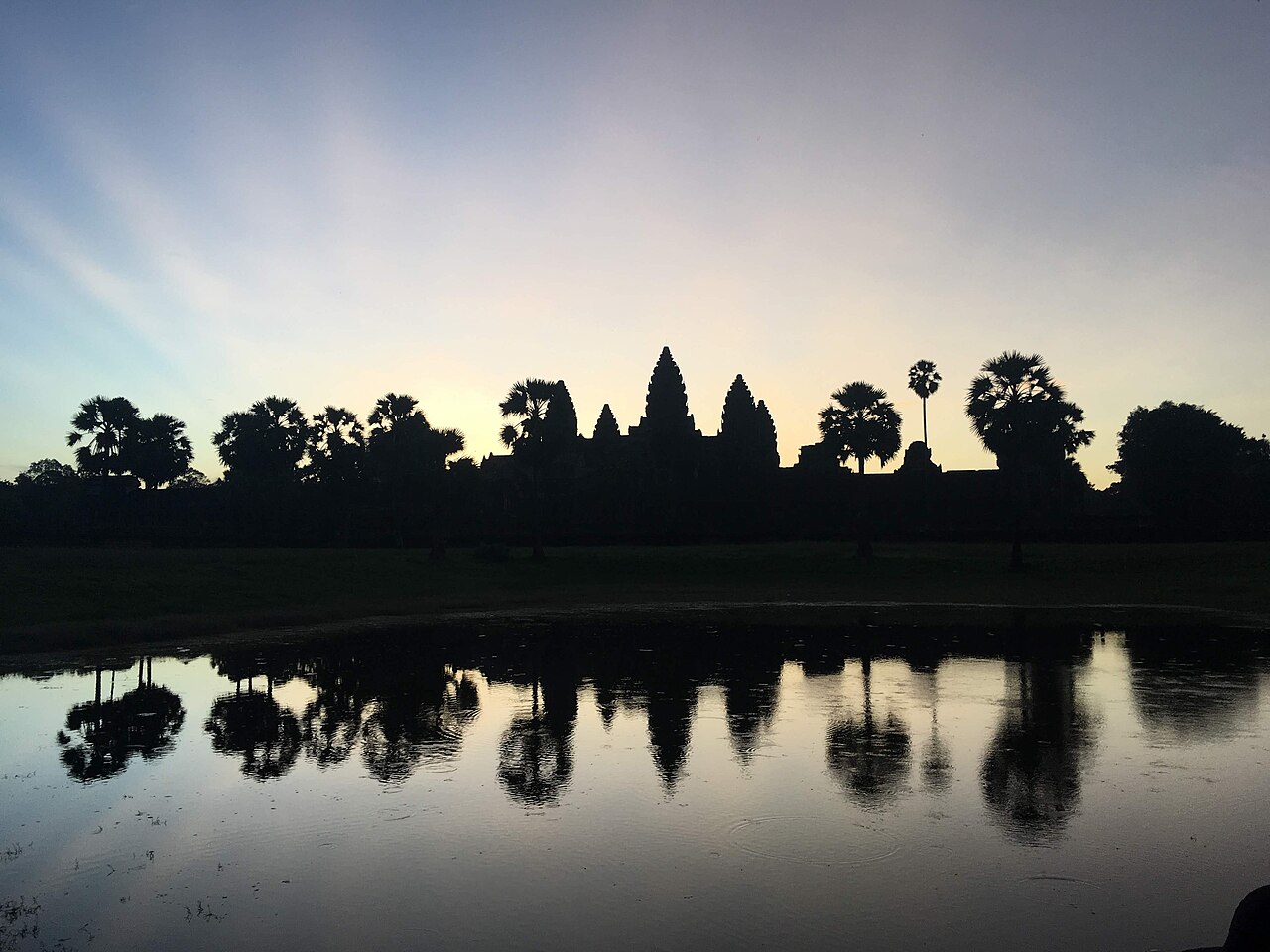
The largest religious monument on earth, built for Lord Vishnu by Suryavarman II in the 12th century and in continuous worship ever since: a living Theravada Buddhist Temple whose five towers stand on the Cambodian flag.
 Buddhism
Bangka Lungshan Temple
Taipei (Wanhua) · Taiwan · temple
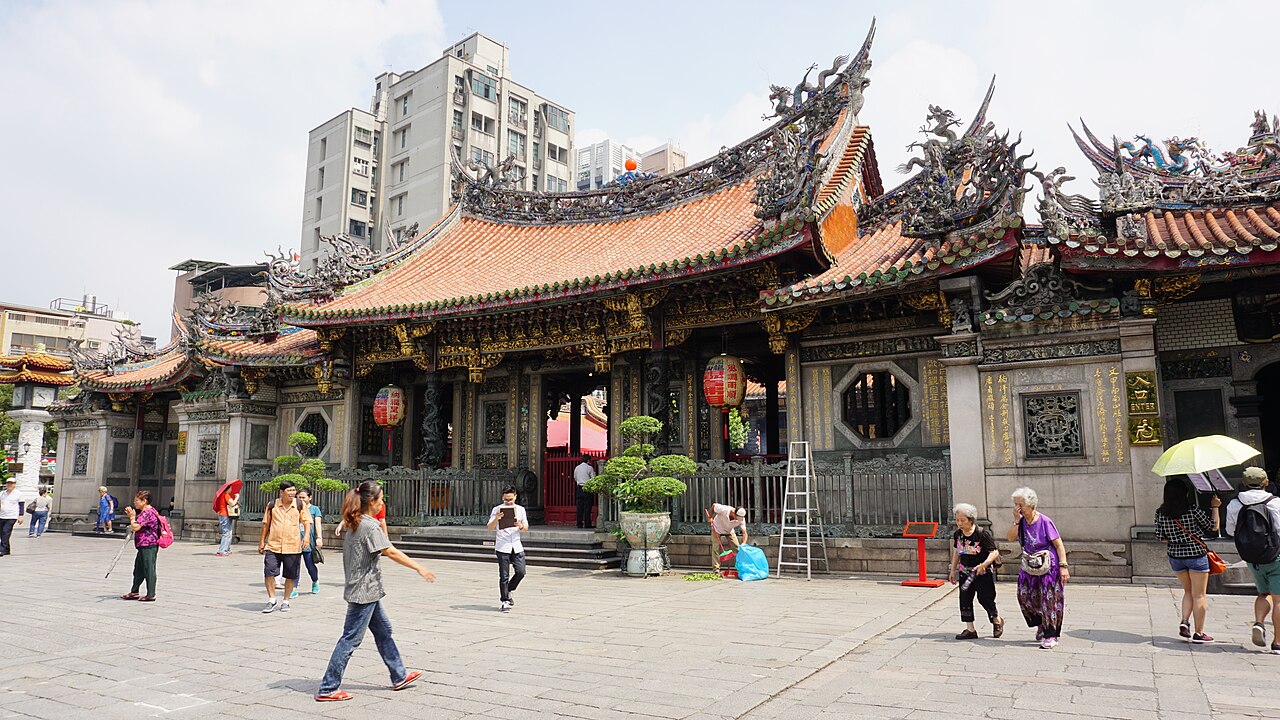
Taipei's mother Temple to Guanshiyin, founded by Fujian settlers in 1738 in the old Bangka quarter: a front hall to the bodhisattva of compassion and a rear hall of more than a hundred Taoist and folk gods, whose Guanyin statue survived the 1945 bombing intact.
 Buddhism
Bengal Buddhist Association
Kolkata · India · monastery
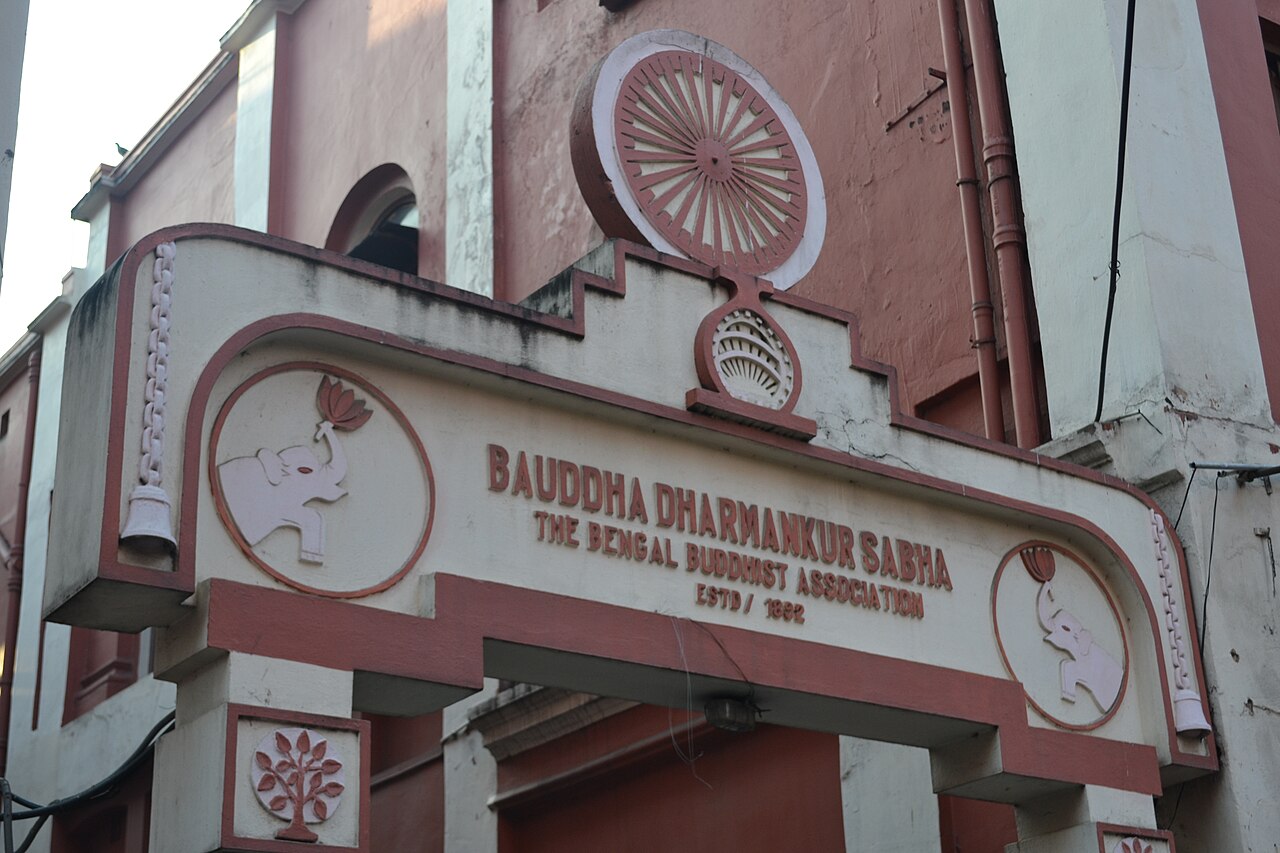
Founded in Kolkata in 1892 by Kripasaran Mahasthavir, the Bengal Buddhist Association, known in Bengali as Bauddha Dharmankur Sabha, raised the Dharmankur Vihara at Bow Barracks in 1903 and has worked for over a century to revive the Dharma in eastern India.
 Buddhism
Bhot Bagan Math
Ghusuri · India · monastery
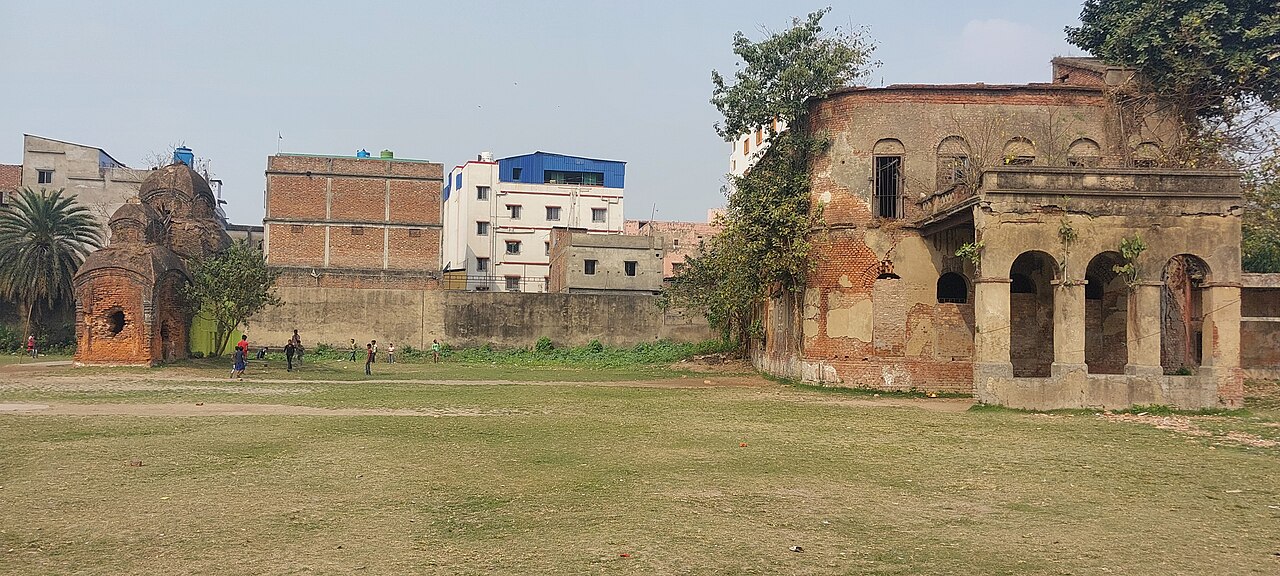
A brick monastery on the Hooghly riverside at Ghusuri, Howrah, founded in 1776 as the first Tibetan Buddhist religious foundation on the plains of India and still known popularly as Mahakal Math for the Tibetan deity images once installed in its sanctum.
 Buddhism
Borobudur
Magelang · Indonesia · temple
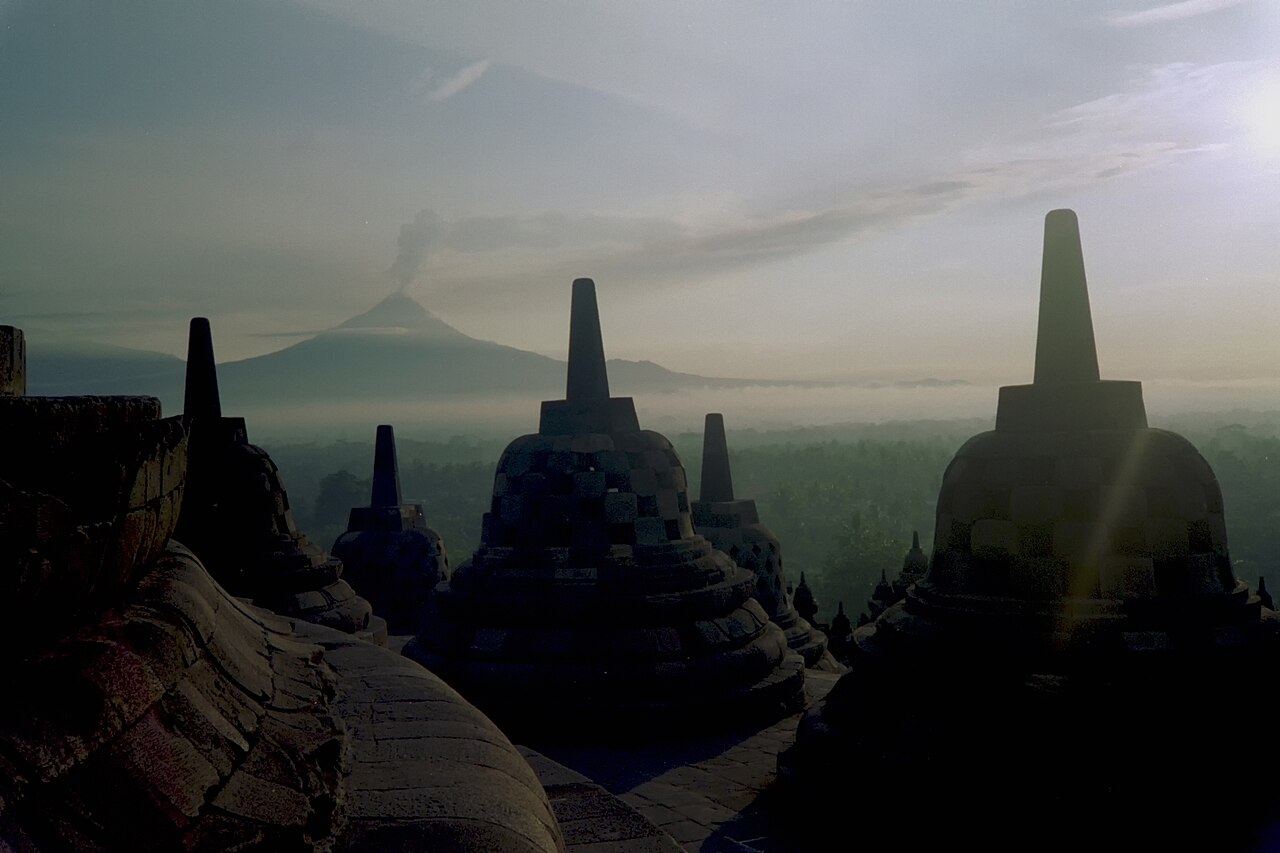
The world's largest Buddhist Temple: a ninth-century mandala in stone on Java's Kedu Plain, nine terraces rising through the three realms to 72 latticed stupas, each sheltering a seated Buddha.
 Buddhism
Boudhanath Stupa
Kathmandu · Nepal · stupa
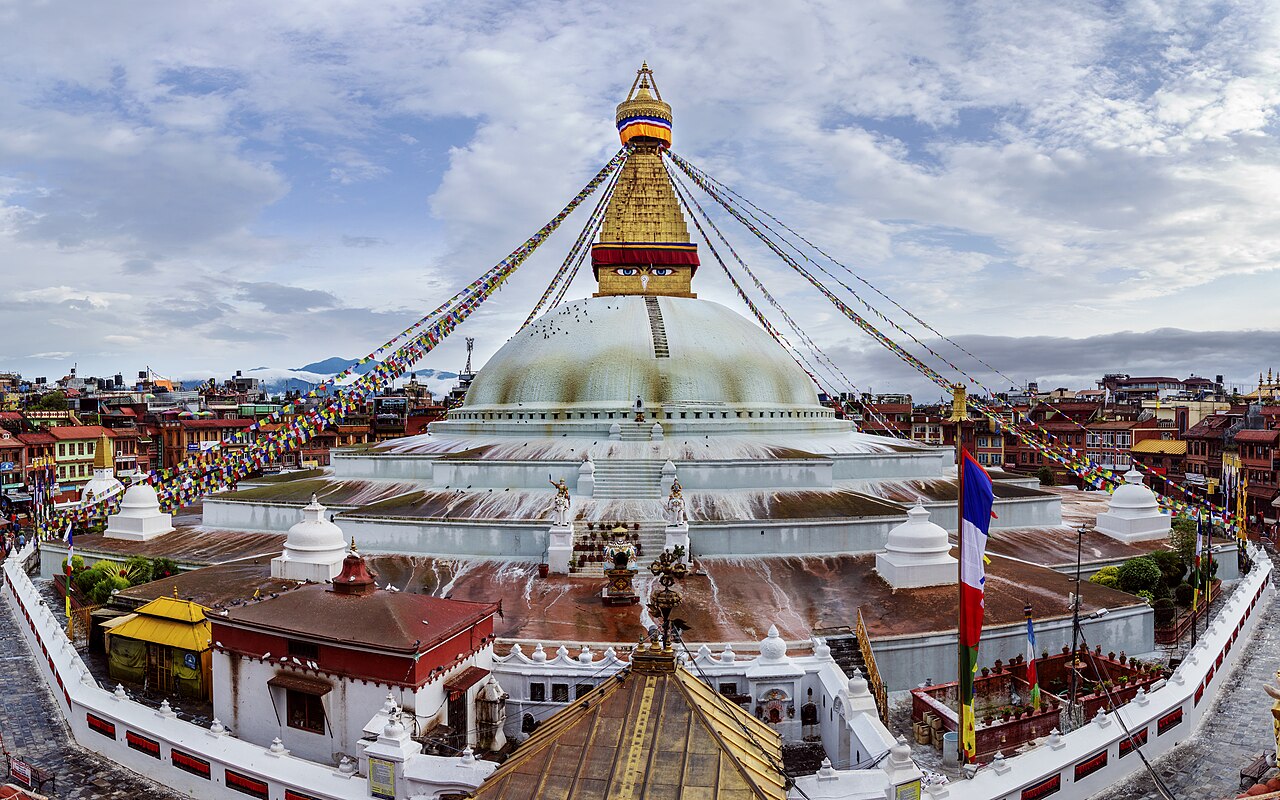
The largest spherical stupa in Nepal, its all-seeing Buddha eyes watching over the kora walked daily by the Tibetan Buddhist community of Boudha, the heart of Vajrayana practice in the Kathmandu Valley.