Wat Na Phra Men
Wat Na Phra Meru · Wat Phra Meru Rachikaram (original name) · วัดหน้าพระเมรุ
About
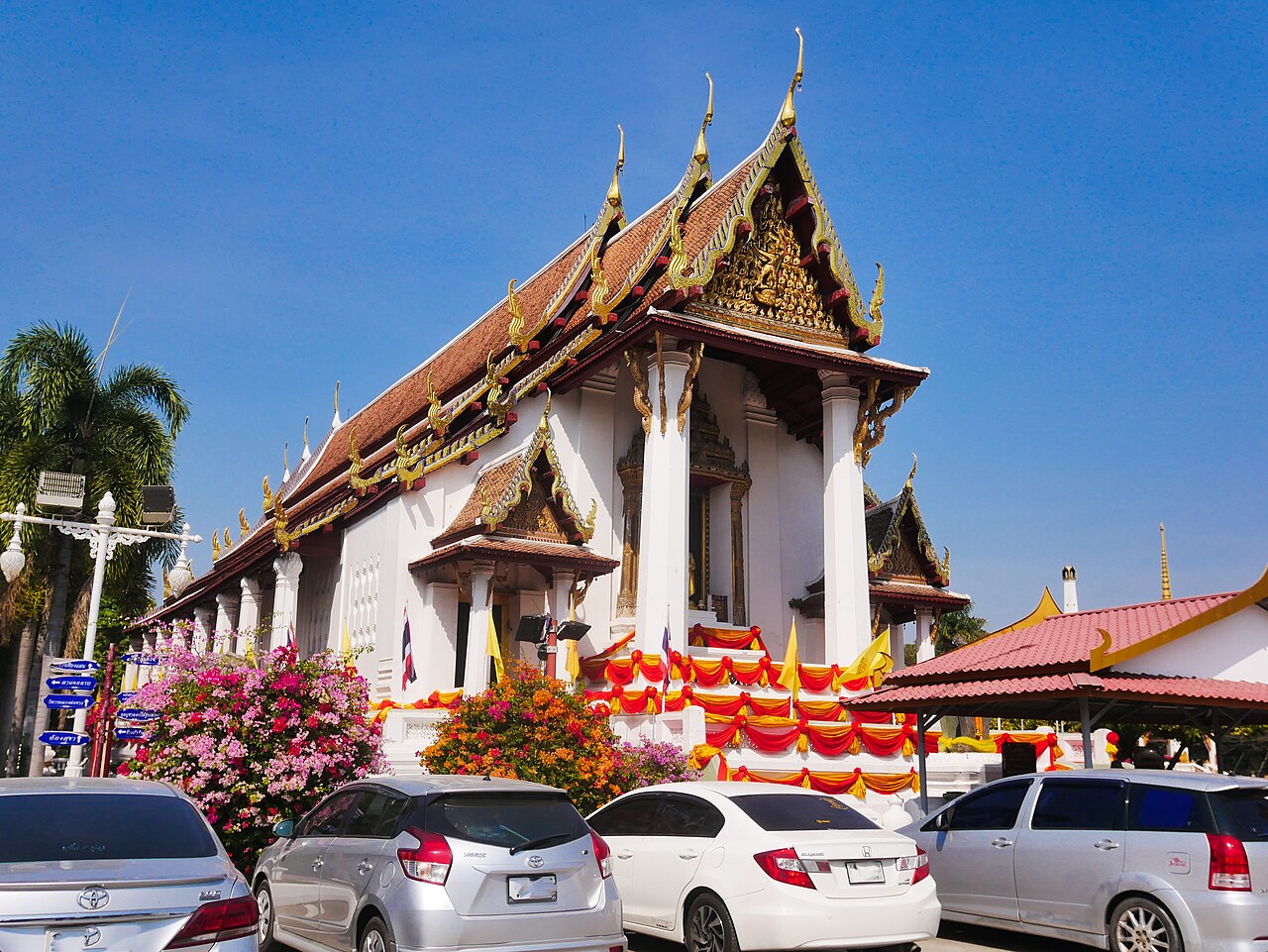
Wat Na Phra Men rests on the northern edge of the old city moat of Phra Nakhon Si Ayutthaya, along Khlong Sra Bua, the former course of the Lopburi River, directly opposite the ruins of the royal palace. Its name means roughly 'Temple before the royal cremation', a reference to its likely role as a cremation ground for early Ayutthaya kings.
The wat's foundation legend places it in the reign of Ramathibodi II, with Prince In credited as the builder in 1503, though no firm documentary evidence confirms the date. The Temple stands as the rare survivor of the catastrophe that befell Ayutthaya in 1767: Burmese forces are thought to have established a military headquarters here, sparing it the destruction visited upon the city's other sanctuaries.
The ubosot follows the Ayutthaya style, its interior columns crowned with closed-lotus capitals. The richly carved gable depicts Vishnu mounted on Garuda above the demon Rahu, framed by two nagas and a court of twenty-six devas.
Inside, the principal Buddha image, a large bronze figure shown in royal attire and in the gesture of subduing Mara, was named Phra Buddha Nimitr Vichit Maramoli by King Rama III. In a side vihara stands Phra Khanthararaj, a green-stone seated Buddha believed to date from the Dvaravati period more than fifteen hundred years ago, one of only five such images preserved in Thailand.
History
Tradition holds that Prince In built the Temple in 1503 during the reign of Ramathibodi II, though no documentary record confirms this, and the site's older name, Wat Phra Meru Rachikaram, suggests it once served as a cremation ground for early Ayutthaya royalty. When Burmese forces overwhelmed the capital in 1767 they made this Temple their military headquarters rather than destroying it, sparing its carved gables and gilded columns from the fire that consumed the rest of the city. The Fine Arts Department registered the compound as an ancient monument in 1935 and has maintained it since.
Significance
The ordination hall's crowned bronze Buddha, seated in royal attire and named Phra Buddha Nimitr Vichit Maramoli by King Rama III, is one of the few surviving Ayutthaya images to wear the regalia of a monarch rather than a monk. Beside it, in a smaller chapel, sits Phra Khanthararaj, a green stone Buddha of the Dvaravati period believed to be more than fifteen hundred years old and counted among only five such images preserved in Thailand. Together they make the Temple a rare, continuous witness to Ayutthaya's religious life before and after the city's fall.
Architecture
Ayutthaya-period Thai Temple architecture; ordination hall (ubosot) with octagonal lotus-capital columns
Visiting
Daily worship
| Open for worship and viewing | 08:00 to 17:00 |
Hours
Hours not listed.
Contact
No contact details listed yet.
Engage with Wat Na Phra Men
Through the four pathways
Seva सेवा — Service
Offer your time and skills here. The following opportunities are open at Wat Na Phra Men:
No Seva offerings listed yet.
Sādhana साधना — Practice
Learn the worship and practice associated with Wat Na Phra Men:
No Sādhana offerings listed yet.
Sandhāna सन्धान — Wisdom
Unite with the wisdom of this tradition:
No Sandhāna offerings listed yet.
Sādhya साध्य — Giving
Support this sacred place according to your means:
No Sādhya offerings listed yet.
All giving flows directly to Wat Na Phra Men. Adisthan does not take a commission.
Gallery
Related sacred places
 Buddhism
Angkor Wat
Siem Reap · Cambodia · temple
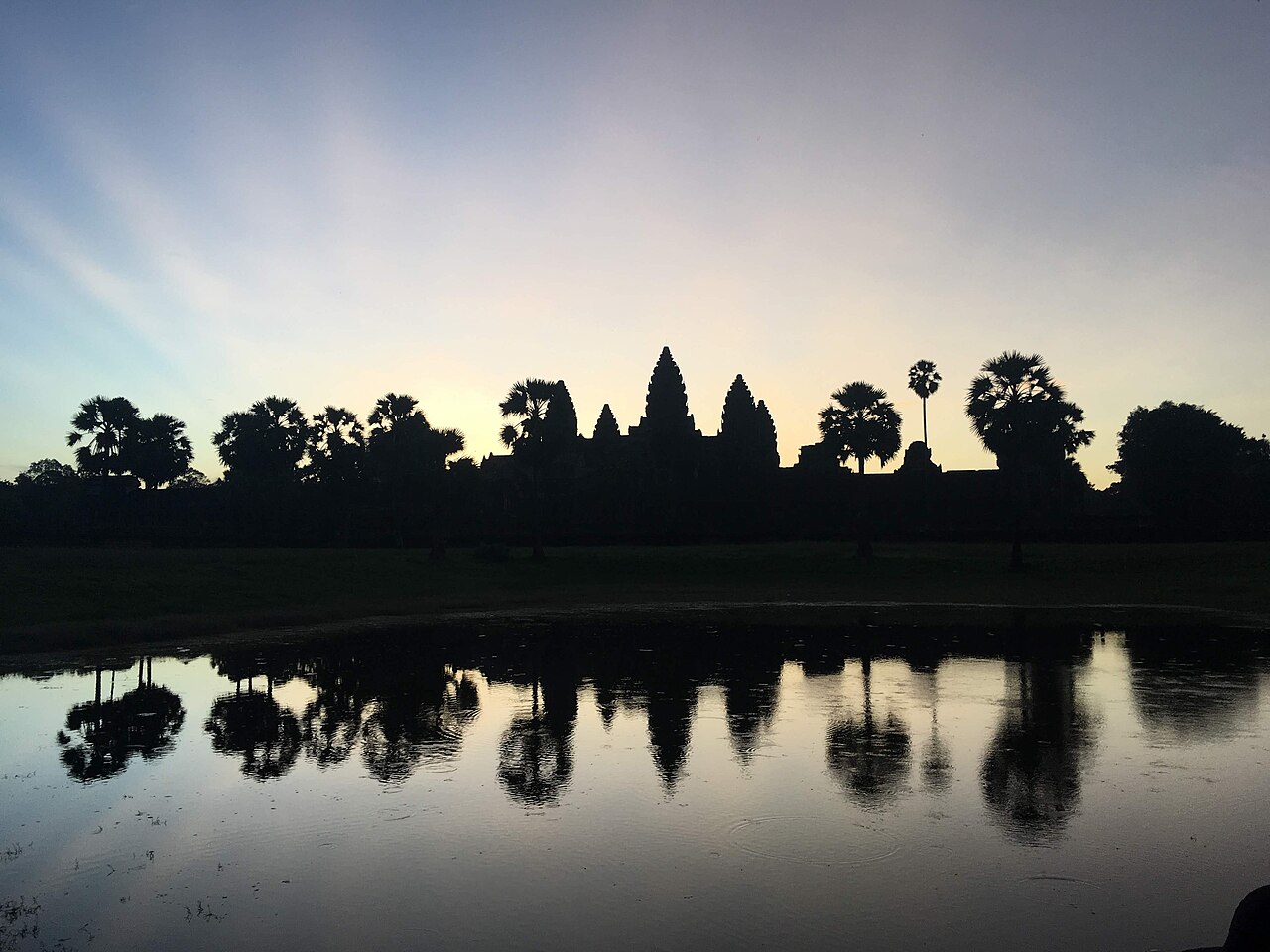
The largest religious monument on earth, built for Lord Vishnu by Suryavarman II in the 12th century and in continuous worship ever since: a living Theravada Buddhist Temple whose five towers stand on the Cambodian flag.
 Buddhism
Bangka Lungshan Temple
Taipei (Wanhua) · Taiwan · temple
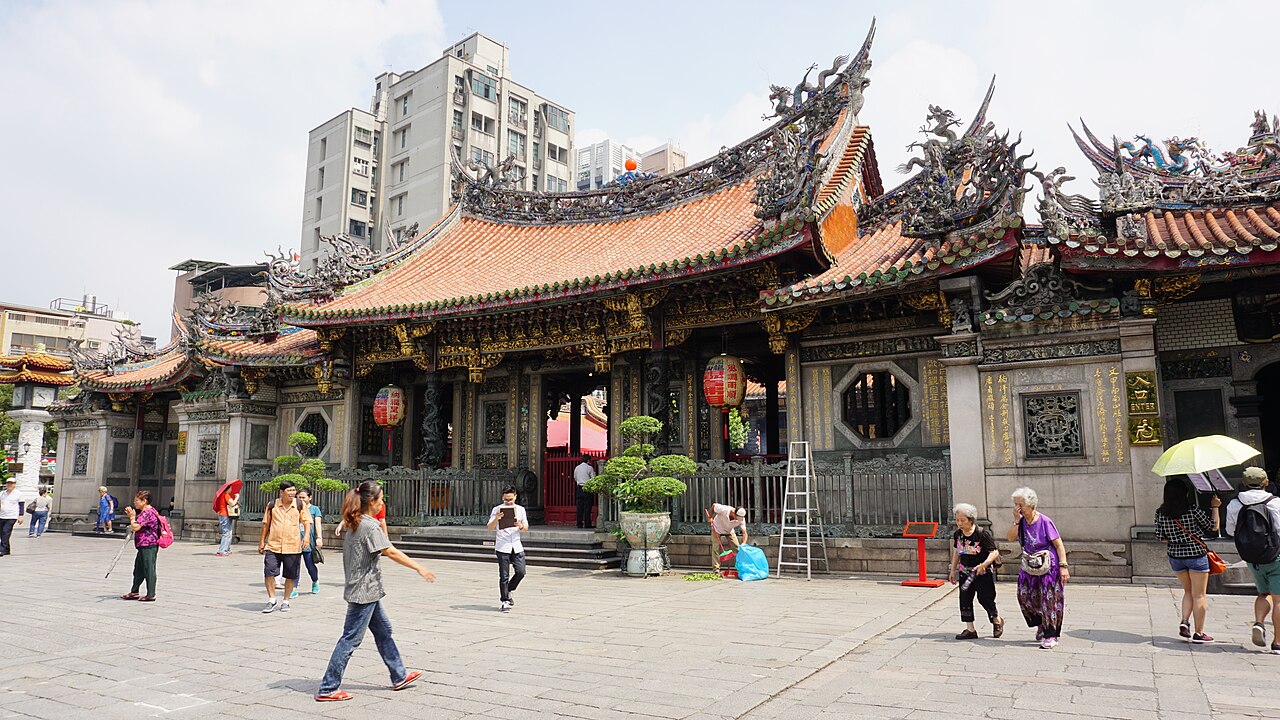
Taipei's mother Temple to Guanshiyin, founded by Fujian settlers in 1738 in the old Bangka quarter: a front hall to the bodhisattva of compassion and a rear hall of more than a hundred Taoist and folk gods, whose Guanyin statue survived the 1945 bombing intact.
 Buddhism
Bengal Buddhist Association
Kolkata · India · monastery
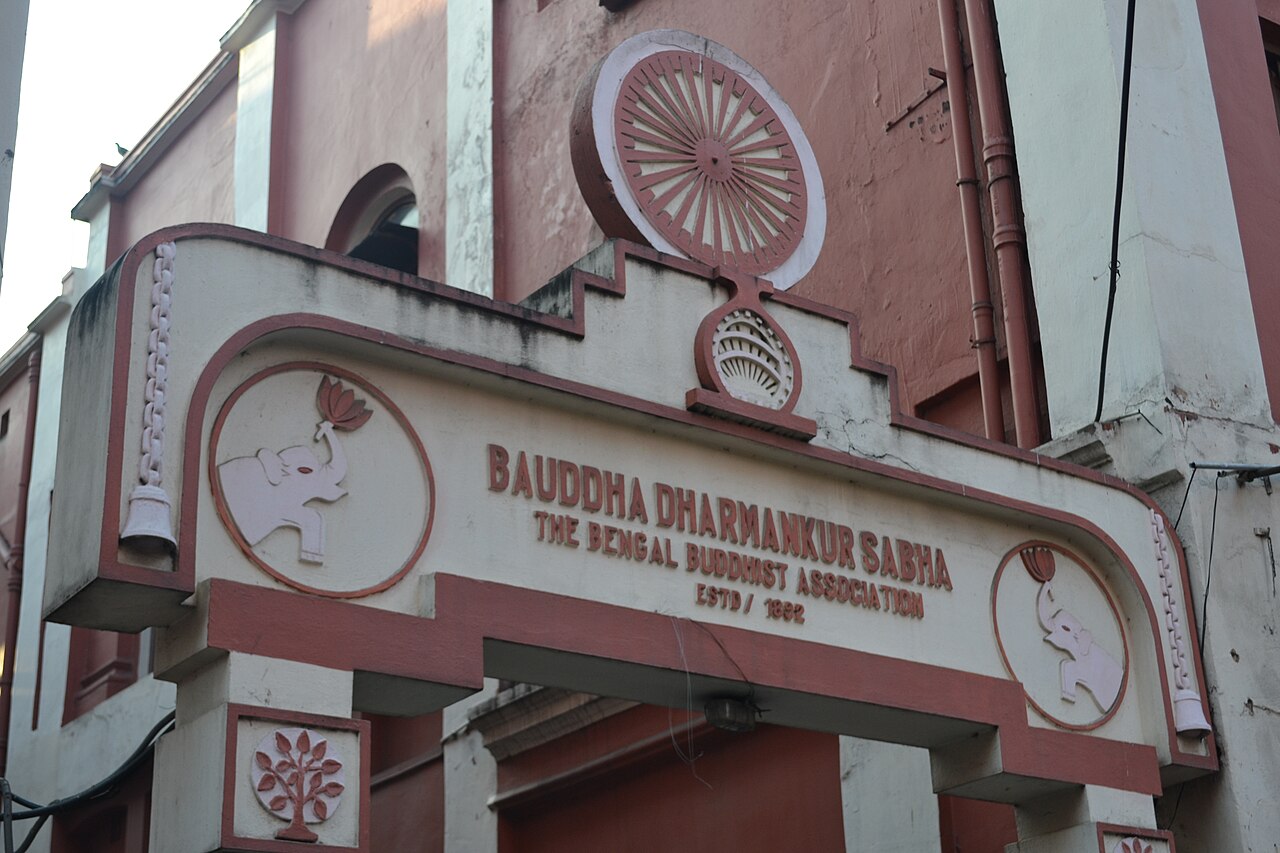
Founded in Kolkata in 1892 by Kripasaran Mahasthavir, the Bengal Buddhist Association, known in Bengali as Bauddha Dharmankur Sabha, raised the Dharmankur Vihara at Bow Barracks in 1903 and has worked for over a century to revive the Dharma in eastern India.
 Buddhism
Bhot Bagan Math
Ghusuri · India · monastery
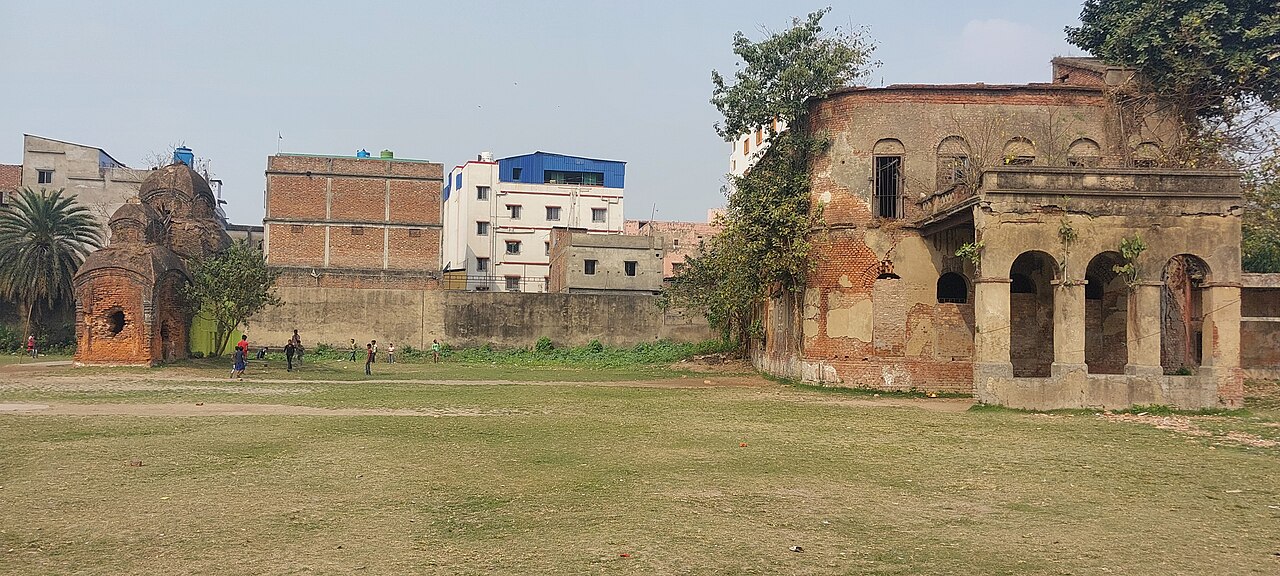
A brick monastery on the Hooghly riverside at Ghusuri, Howrah, founded in 1776 as the first Tibetan Buddhist religious foundation on the plains of India and still known popularly as Mahakal Math for the Tibetan deity images once installed in its sanctum.
 Buddhism
Borobudur
Magelang · Indonesia · temple
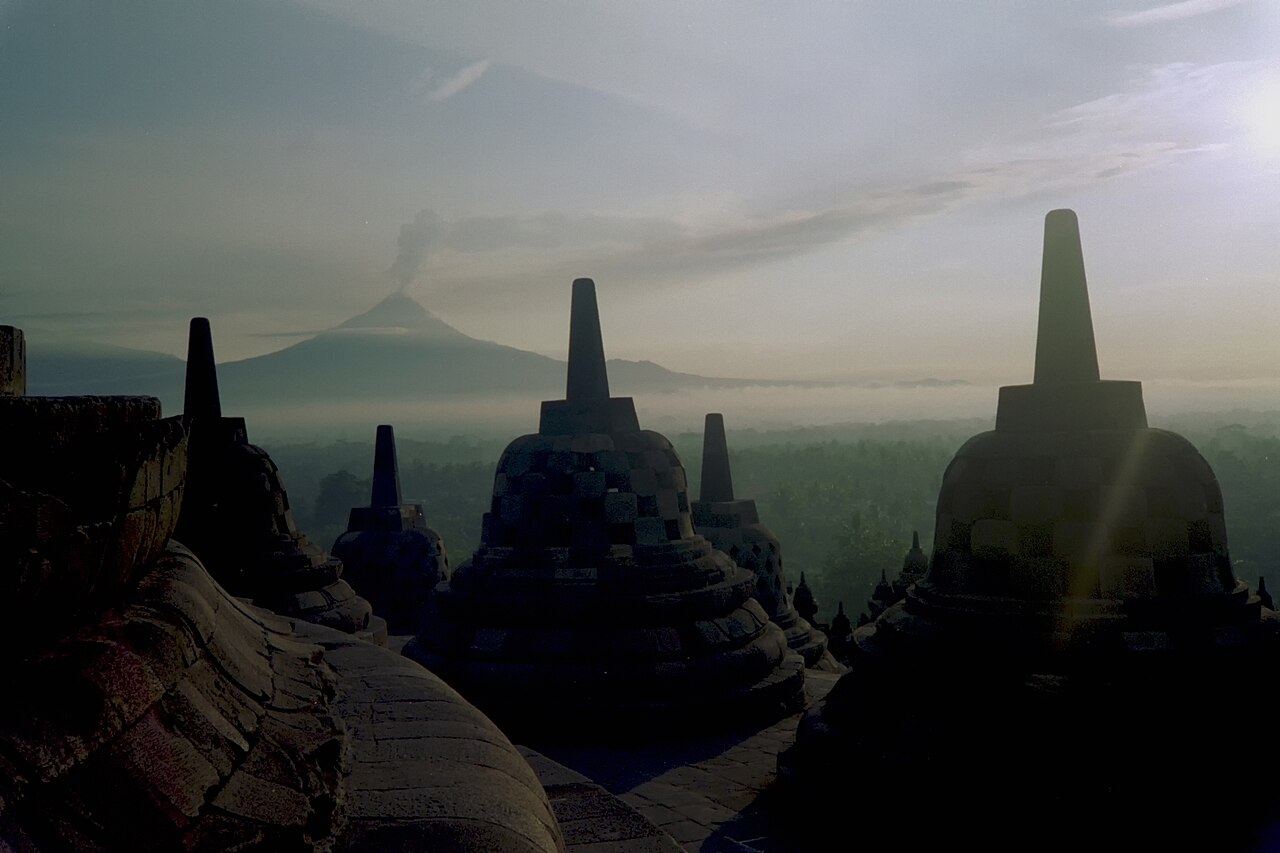
The world's largest Buddhist Temple: a ninth-century mandala in stone on Java's Kedu Plain, nine terraces rising through the three realms to 72 latticed stupas, each sheltering a seated Buddha.
 Buddhism
Boudhanath Stupa
Kathmandu · Nepal · stupa
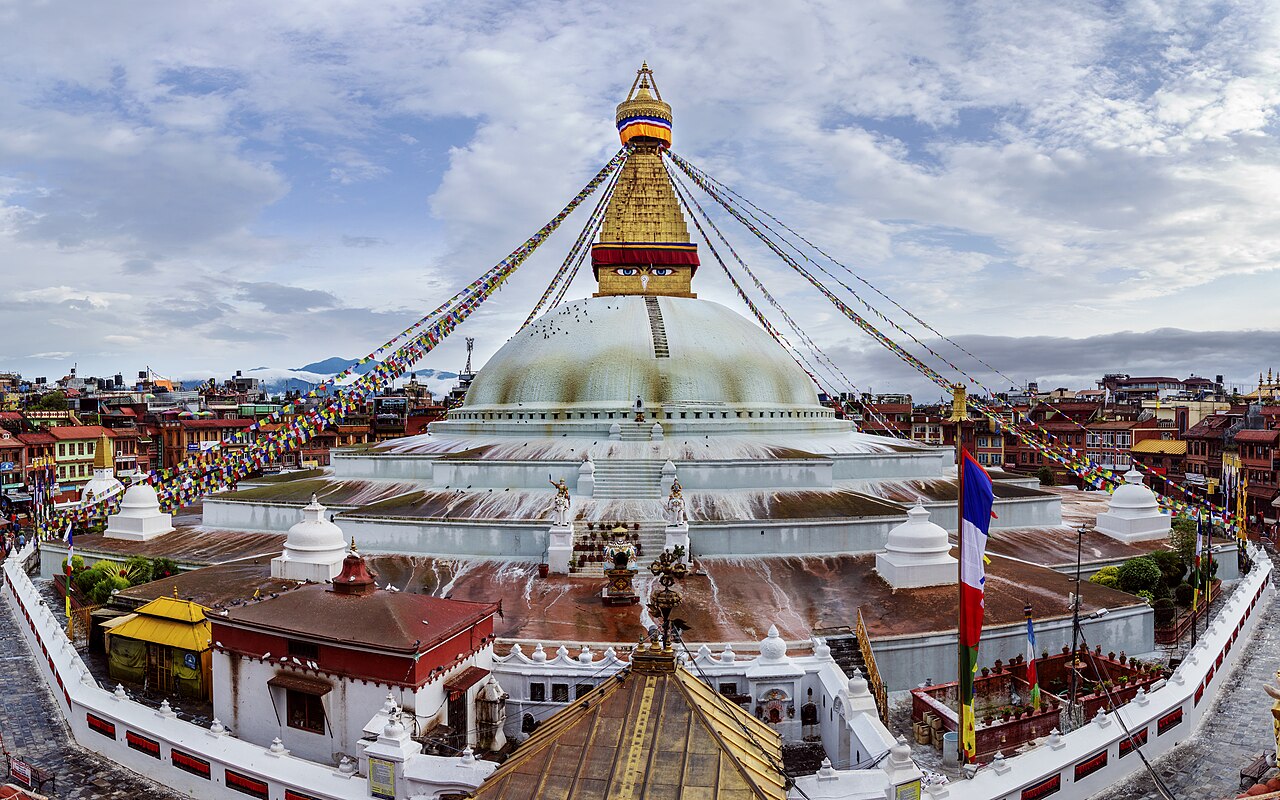
The largest spherical stupa in Nepal, its all-seeing Buddha eyes watching over the kora walked daily by the Tibetan Buddhist community of Boudha, the heart of Vajrayana practice in the Kathmandu Valley.