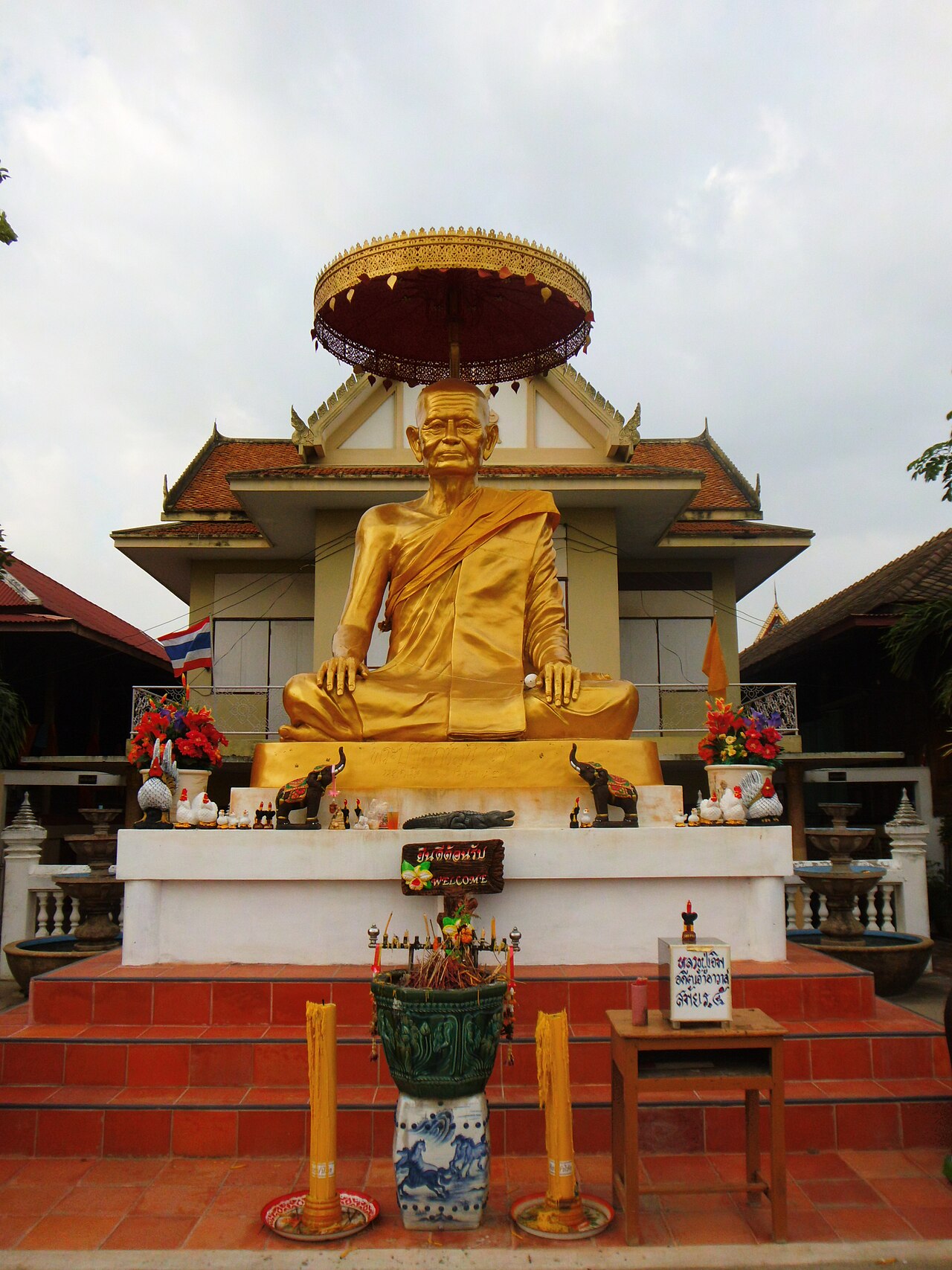
Wat Pa Mok Worawihan
Wat Pa Mok · วัดป่าโมกวรวิหาร
About
Wat Pa Mok Worawihan stands in Pa Mok district, one of the constituent districts of Ang Thong province in Thailand's central plains. The Temple's Thai name, วัดป่าโมกวรวิหาร, identifies it as a wihan of distinguished rank, a place of formal religious assembly within the Theravāda Buddhist tradition that has shaped the spiritual life of this region across many centuries.
AngThong province, whose name means 'golden bowl' in Thai, forms part of the fertile heartland of the Chao Phraya basin, where Buddhist Temples have served as the moral and communal centre of village and town life for generations. Wat Pa Mok Worawihan belongs to this living continuum, a sanctuary where monks and laypersons gather in the rhythms of daily practice, offering, and merit-making that sustain the Thai Buddhist community.
The compound carries the atmosphere characteristic of established Thai wats: an ordered sacred precinct in which monastic buildings, shrines, and the sounds of chanting or bells mark time in a manner apart from the ordinary world. For those who come to make merit, observe a holy day, or simply sit in stillness, the Temple offers the welcoming quietude that defines places of genuine religious dedication.
History
Wat Pa Mok Worawihan is traditionally dated to the Sukhothai period, though the viharn built to shelter its reclining Buddha reads as work of the late Ayutthaya period. Regional historical sources report that a stone inscription at the Temple recorded the image's move away from an eroding stretch of the Chao Phraya riverbank, first in 1728 during the reign of King Thai Sa and again some years later under King Borommakot, to the site the Temple occupies today. Pa Mok district takes its name from the Temple, and the wat has remained a working centre of merit-making for the surrounding villages of Ang Thong province across the centuries since.
Significance
The reclining Buddha itself, 22.58 metres from crown to feet, brick and stucco beneath its gold leaf, is the reason pilgrims come: the legend told here holds that the image floated down the Chao Phraya and came to rest in front of the Temple of its own accord, and that villagers drew it from the water only after making offerings to it. The image reclines in the lion's posture with its head resting on three lacquered and gilded pillows, sheltered within a nine-bay hall built in the late Ayutthaya style. It remains one of the most venerated reclining Buddha images of the lower Chao Phraya valley.
Architecture
Late Ayutthaya-period viharn (nine bays) built to shelter a Sukhothai-style gilded reclining Buddha
Visiting
Hours
Hours not listed.
Contact
No contact details listed yet.
Engage with Wat Pa Mok Worawihan
Through the four pathways
Seva सेवा — Service
Offer your time and skills here. The following opportunities are open at Wat Pa Mok Worawihan:
No Seva offerings listed yet.
Sādhana साधना — Practice
Learn the worship and practice associated with Wat Pa Mok Worawihan:
No Sādhana offerings listed yet.
Sandhāna सन्धान — Wisdom
Unite with the wisdom of this tradition:
No Sandhāna offerings listed yet.
Sādhya साध्य — Giving
Support this sacred place according to your means:
No Sādhya offerings listed yet.
All giving flows directly to Wat Pa Mok Worawihan. Adisthan does not take a commission.
Festivals & Events
- Jul
Asalha Bucha
29 July 2026 · annual
The day the Buddha preached his first sermon to the five ascetics at Sarnath and the Buddhist monastic Sangha came into being, observed nationally in Thailand with candlelit processions and merit-making at working Theravada Temples such as this one.
Gallery
Related sacred places
 Buddhism
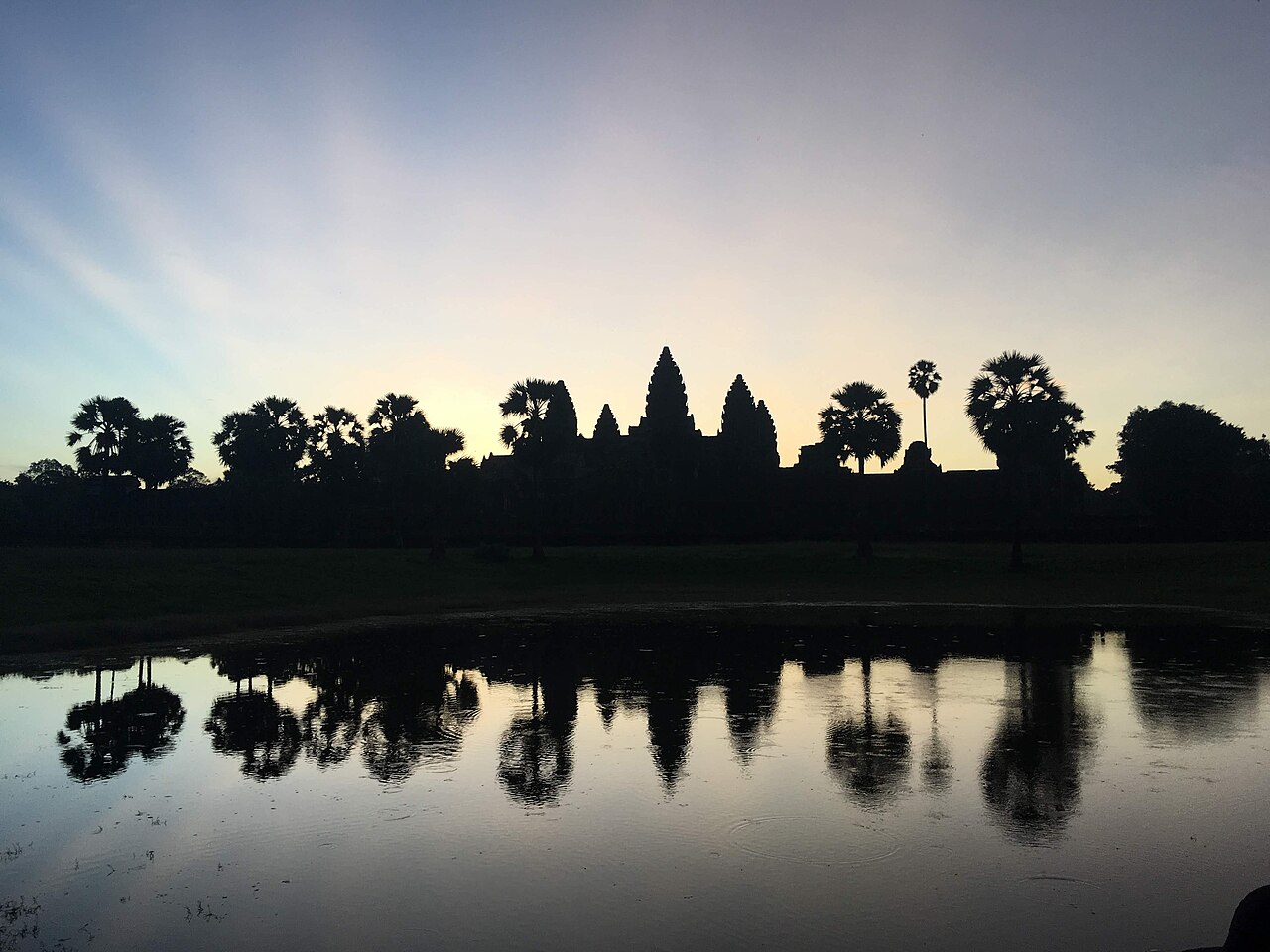
Angkor Wat
Siem Reap · Cambodia · temple
The largest religious monument on earth, built for Lord Vishnu by Suryavarman II in the 12th century and in continuous worship ever since: a living Theravada Buddhist Temple whose five towers stand on the Cambodian flag.
 Buddhism
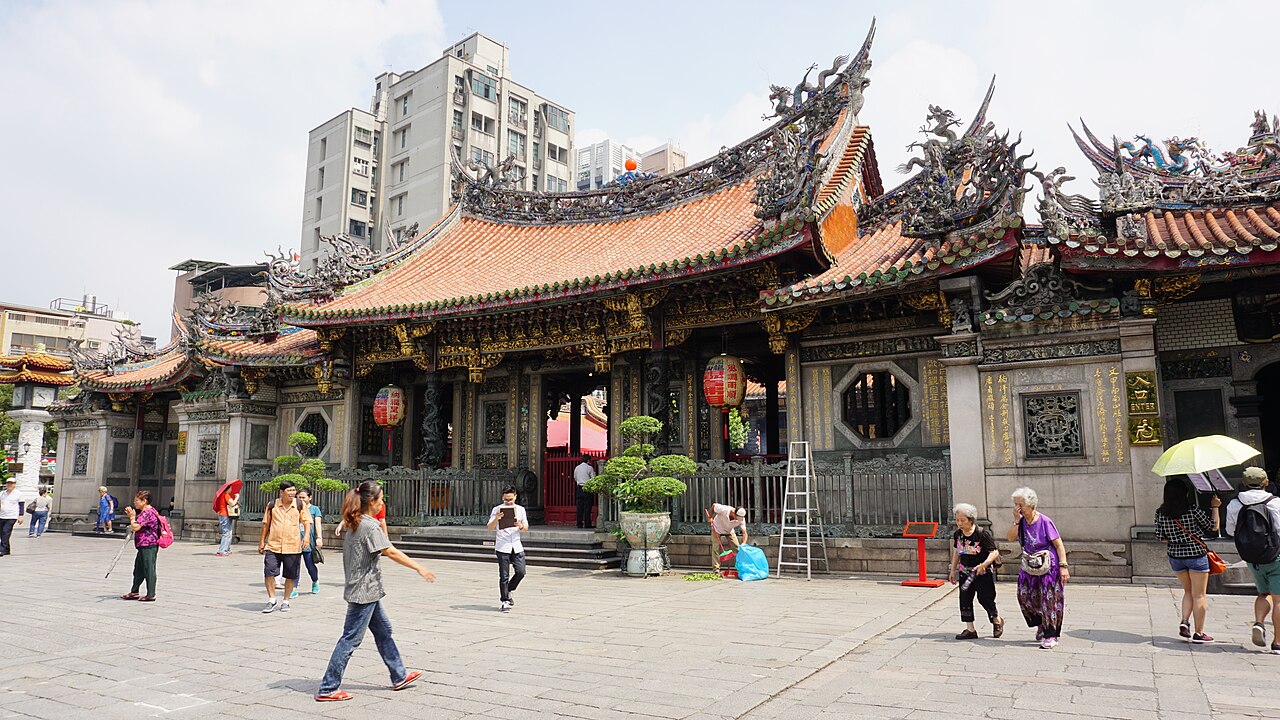
Bangka Lungshan Temple
Taipei (Wanhua) · Taiwan · temple
Taipei's mother Temple to Guanshiyin, founded by Fujian settlers in 1738 in the old Bangka quarter: a front hall to the bodhisattva of compassion and a rear hall of more than a hundred Taoist and folk gods, whose Guanyin statue survived the 1945 bombing intact.
 Buddhism
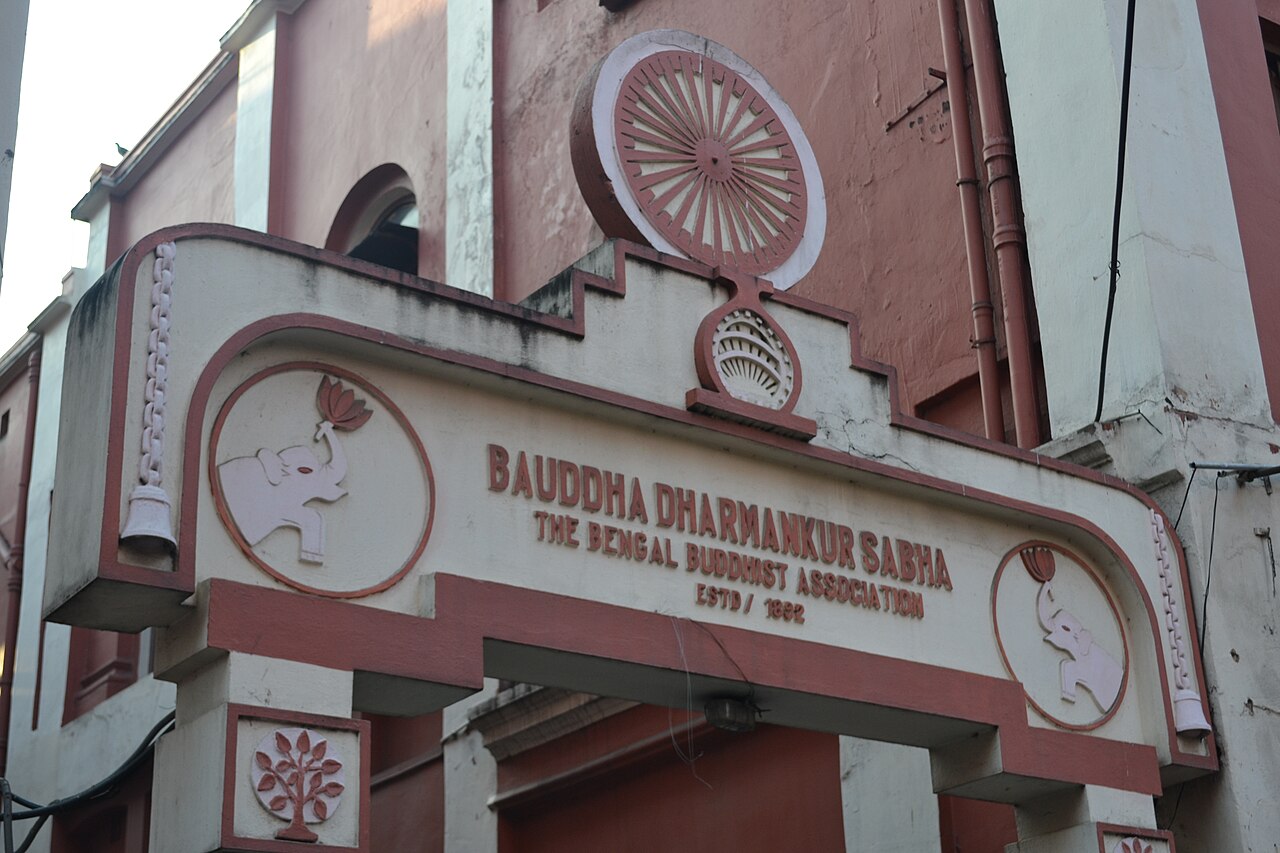
Bengal Buddhist Association
Kolkata · India · monastery
Founded in Kolkata in 1892 by Kripasaran Mahasthavir, the Bengal Buddhist Association, known in Bengali as Bauddha Dharmankur Sabha, raised the Dharmankur Vihara at Bow Barracks in 1903 and has worked for over a century to revive the Dharma in eastern India.
 Buddhism
Bhot Bagan Math
Ghusuri · India · monastery
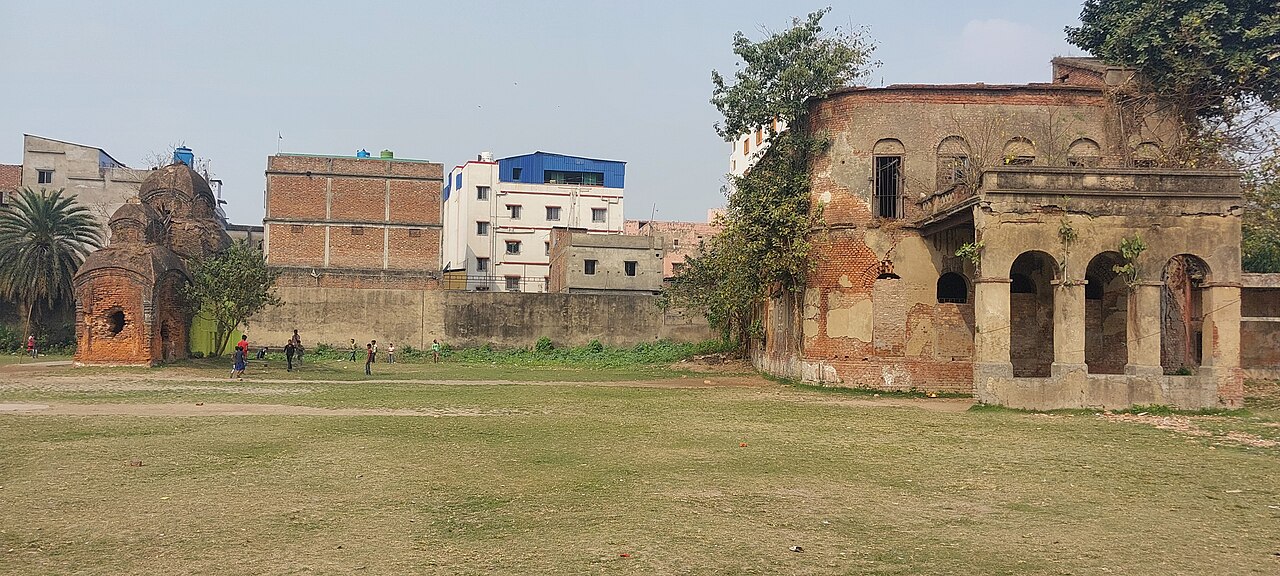
A brick monastery on the Hooghly riverside at Ghusuri, Howrah, founded in 1776 as the first Tibetan Buddhist religious foundation on the plains of India and still known popularly as Mahakal Math for the Tibetan deity images once installed in its sanctum.
 Buddhism
Borobudur
Magelang · Indonesia · temple
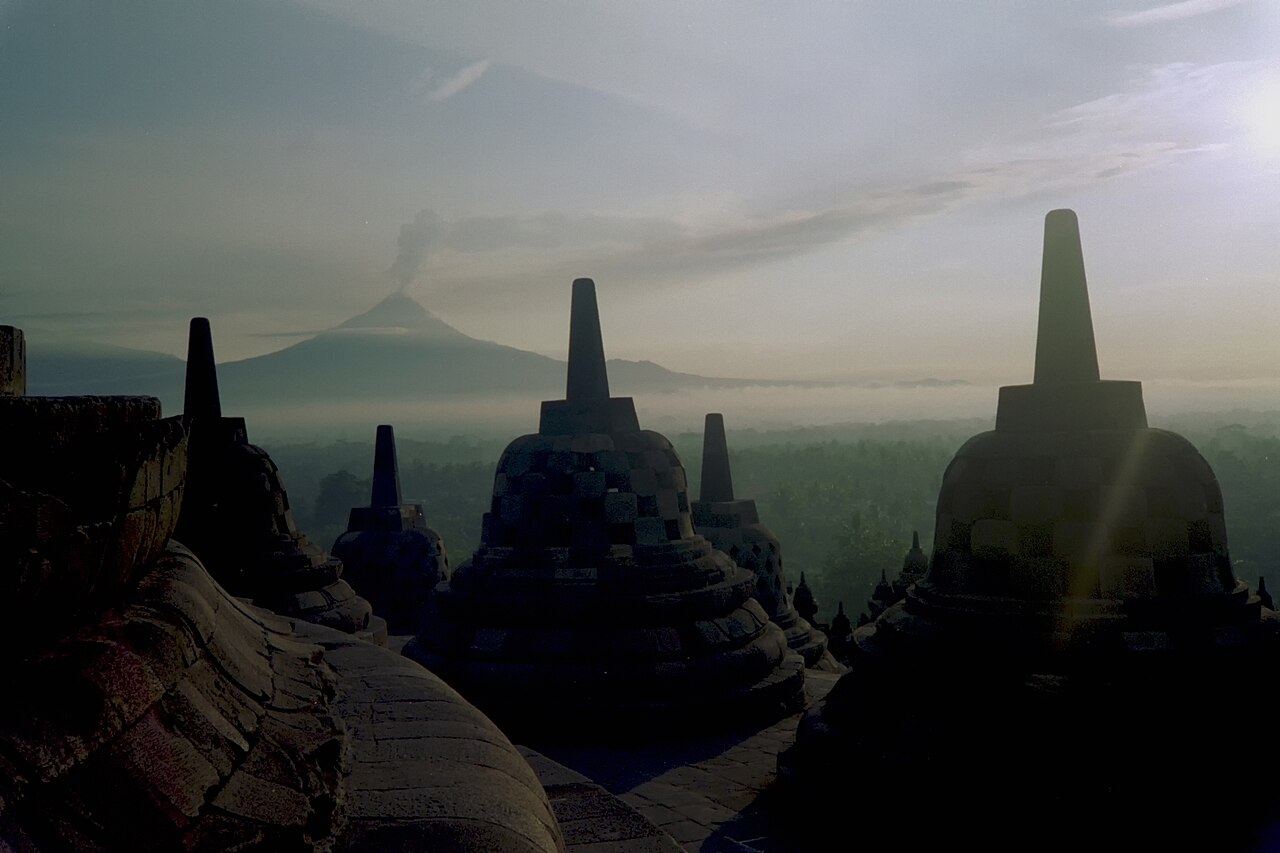
The world's largest Buddhist Temple: a ninth-century mandala in stone on Java's Kedu Plain, nine terraces rising through the three realms to 72 latticed stupas, each sheltering a seated Buddha.
 Buddhism
Boudhanath Stupa
Kathmandu · Nepal · stupa
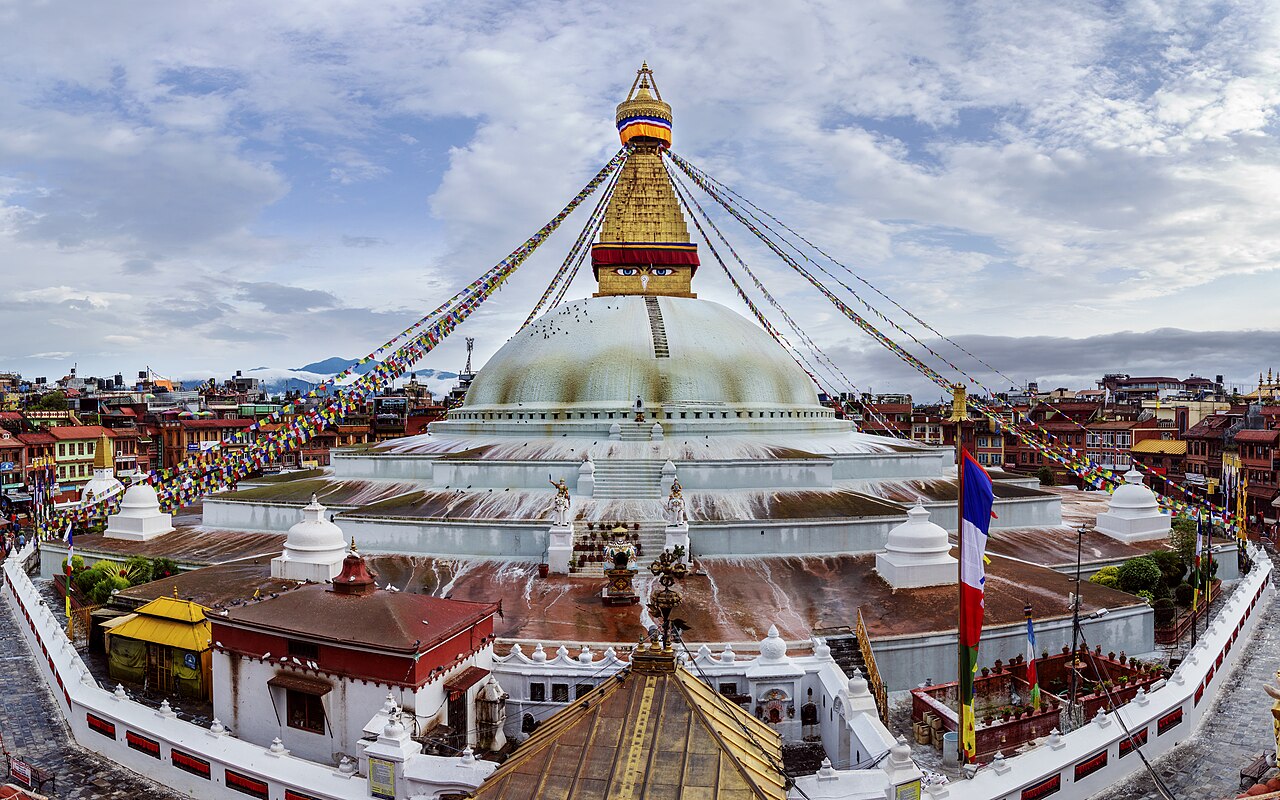
The largest spherical stupa in Nepal, its all-seeing Buddha eyes watching over the kora walked daily by the Tibetan Buddhist community of Boudha, the heart of Vajrayana practice in the Kathmandu Valley.