Wat Pah Nanachat
International Forest Monastery · Wat Pa Nanachat · วัดป่านานาชาติ
About
Wat Pah Nanachat, 'International Forest Monastery', lies in the forests of northeast Thailand, roughly fifteen kilometres outside Ubon Ratchathani. The monastery was established in 1975 by the renowned forest master Ajahn Chah as a training ground for monastics from outside Thailand, conducted within the disciplines of the Thai Forest Tradition.
Resident monks, novices, and postulants gather here from many nations, and the working language of the community is English. The first abbot was Ajahn Sumedho, an American bhikkhu trained under Ajahn Chah at Wat Nong Pah Pong, the motherhouse from which Wat Pah Nanachat descends. From this small forest seed an international family of branch monasteries has taken root under the collective name of the Forest Sangha.
Daily life follows the rhythms set by Ajahn Chah's lineage: a 3am rising, predawn chanting and meditation in the main sala, the alms round at sunrise, a single morning meal, work practice, Dhamma reflections, and evening communal practice. Both anapanasati and the cultivation of samatha and vipassana as inseparable aspects of practice are honoured, while strict observance of the Vinaya remains the defining feature of monastic life.
Lay guests dress modestly in white, observe the eight precepts, and join the community in every part of the daily schedule.
History
Ajahn Chah founded the monastery in 1975 so that the growing number of Westerners drawn to his forest tradition could train without the barrier of the Thai language, appointing the American bhikkhu Ajahn Sumedho as its first abbot. Ajahn Sumedho left in 1977 to found branch monasteries in Britain, and a line of Western-trained abbots, Ajahn Pabhakaro, Ajahn Jagaro, Ajahn Pasanno, Ajahn Jayasaro and Ajahn Nyanadhammo, carried the community forward until Ajahn Kevali took on the role in 2007. From this single forest monastery the Ajahn Chah lineage has grown into the worldwide network known as the Forest Sangha.
Significance
The community rises at three in the morning for chanting and meditation before walking the alms round through the surrounding village at dawn, and the day's single meal is eaten together before eight o'clock. Strict observance of the Vinaya, the monastic code some twenty-five centuries old, is what the community holds as its defining feature, more than any particular teaching or technique. Guests who write ahead may stay and join the schedule entirely, living for a time inside the same rhythm of silence, work and practice that shapes every monk here.
Architecture
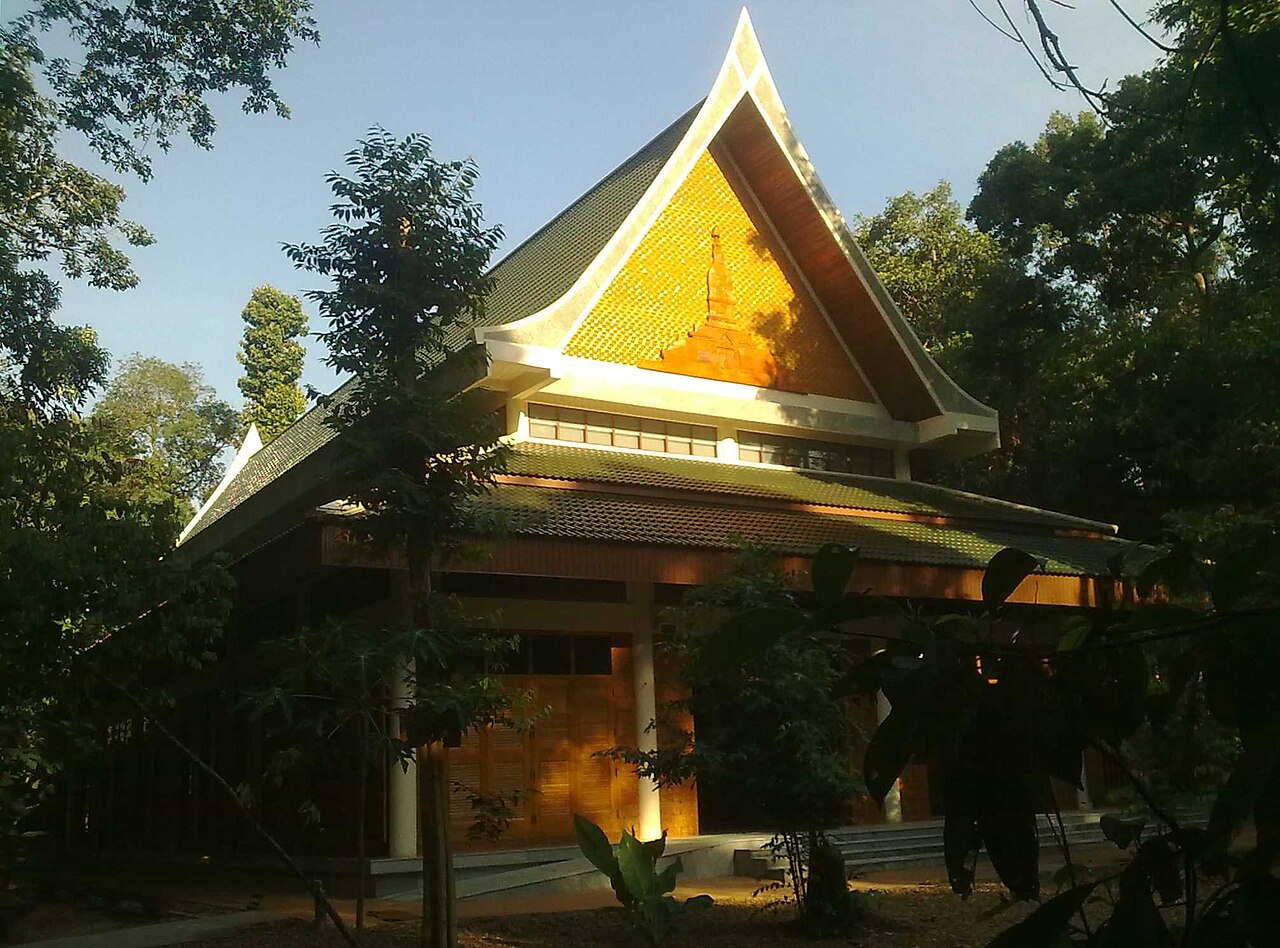
Thai forest-monastery vernacular: a wooden sala with a tiered gabled roof set among the trees of Isaan, built for a resident international monastic community rather than public devotional display
Visiting
Daily worship
| Morning bell and chanting | 03:00 to 03:30 | |
| Alms round through the village | 06:00 to | |
| The day's meal, taken together (the only formal meal) | 08:00 to | |
| Dhamma reflection | 09:30 to | |
| Evening chanting and communal meditation | 18:15 to |
Hours
Hours not listed.
Contact
Address
Engage with Wat Pah Nanachat
Through the four pathways
Seva सेवा — Service
Offer your time and skills here. The following opportunities are open at Wat Pah Nanachat:
No Seva offerings listed yet.
Sādhana साधना — Practice
Learn the worship and practice associated with Wat Pah Nanachat:
No Sādhana offerings listed yet.
Sandhāna सन्धान — Wisdom
Unite with the wisdom of this tradition:
No Sandhāna offerings listed yet.
Sādhya साध्य — Giving
Support this sacred place according to your means:
No Sādhya offerings listed yet.
All giving flows directly to Wat Pah Nanachat. Adisthan does not take a commission.
Festivals & Events
- Jul
Khao Phansa (the start of Vassa)
30 July 2026 · annual
The beginning of the three-month Rains Retreat, when the monastic community commits to remaining within the monastery for a season of concentrated meditation and study rather than the wandering practice otherwise open to forest monks.
Gallery
Related sacred places
 Buddhism
Angkor Wat
Siem Reap · Cambodia · temple
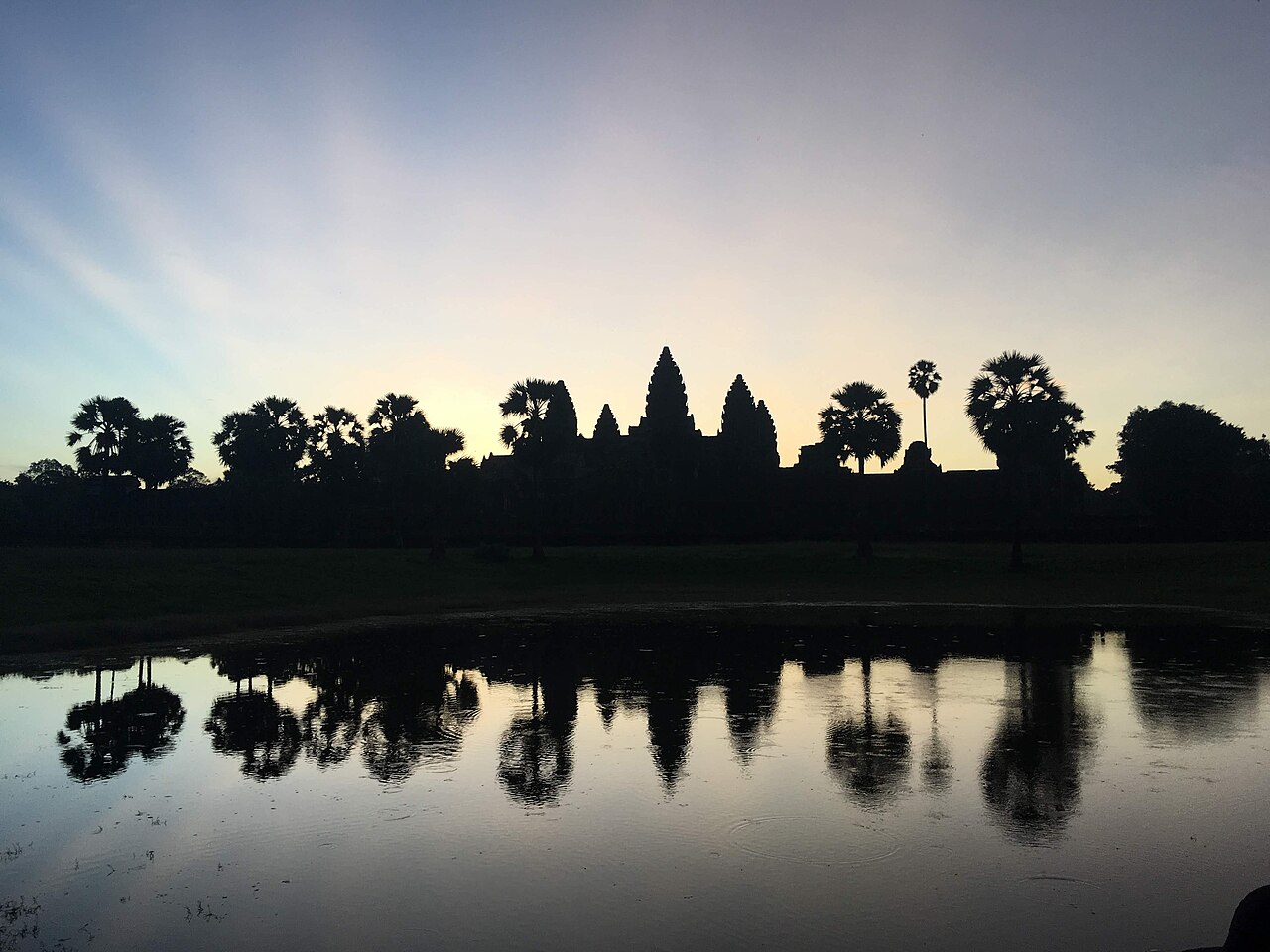
The largest religious monument on earth, built for Lord Vishnu by Suryavarman II in the 12th century and in continuous worship ever since: a living Theravada Buddhist Temple whose five towers stand on the Cambodian flag.
 Buddhism
Bangka Lungshan Temple
Taipei (Wanhua) · Taiwan · temple
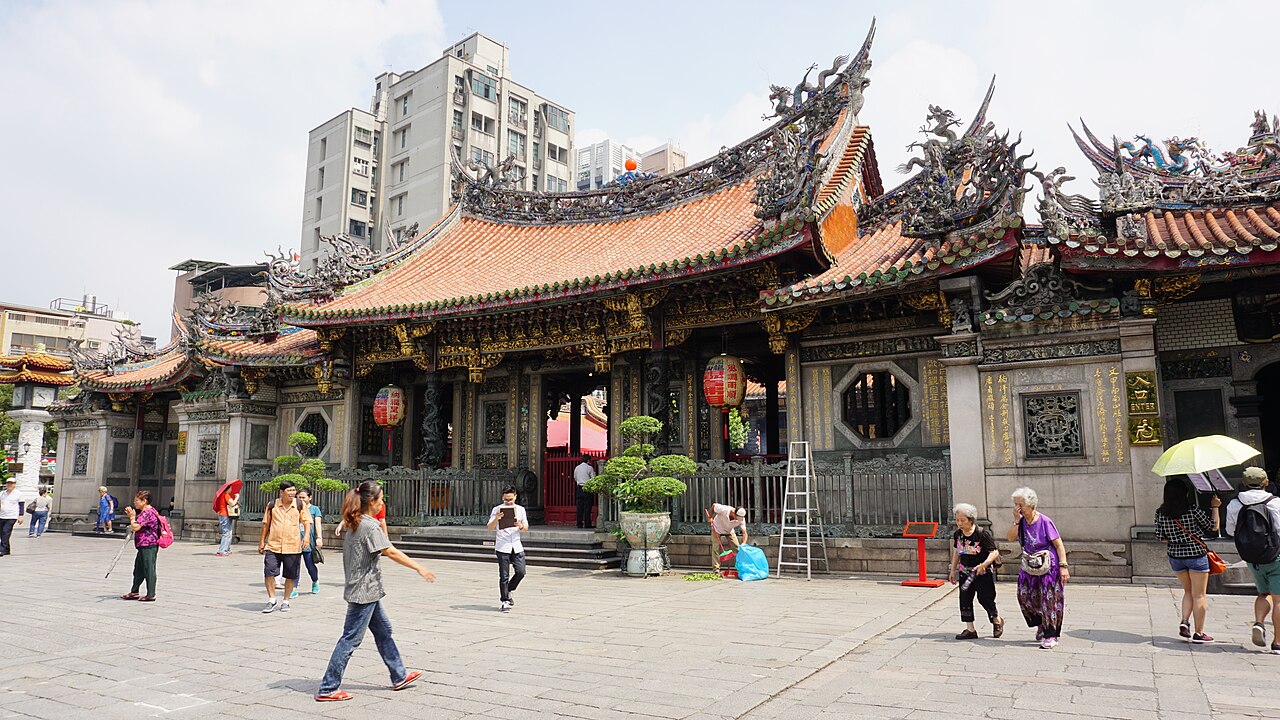
Taipei's mother Temple to Guanshiyin, founded by Fujian settlers in 1738 in the old Bangka quarter: a front hall to the bodhisattva of compassion and a rear hall of more than a hundred Taoist and folk gods, whose Guanyin statue survived the 1945 bombing intact.
 Buddhism
Bengal Buddhist Association
Kolkata · India · monastery
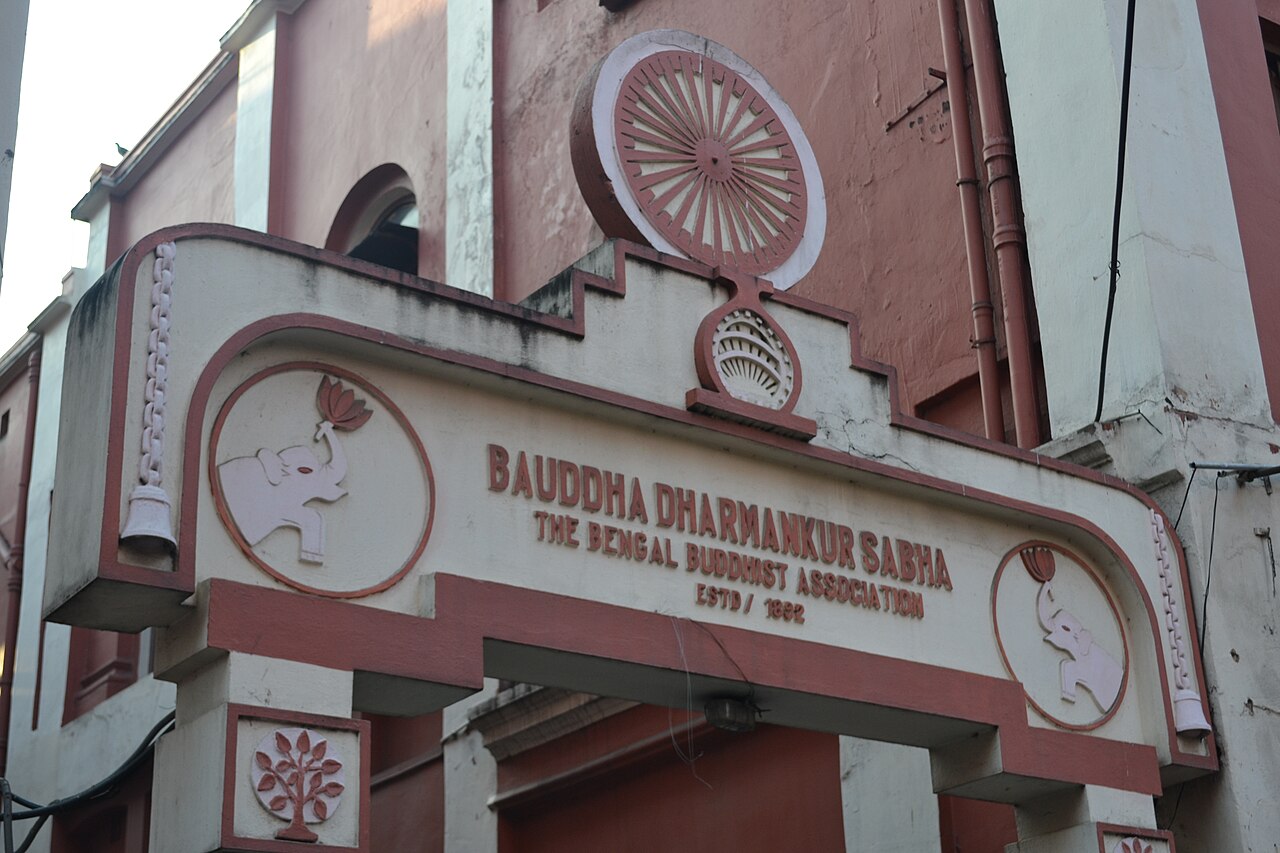
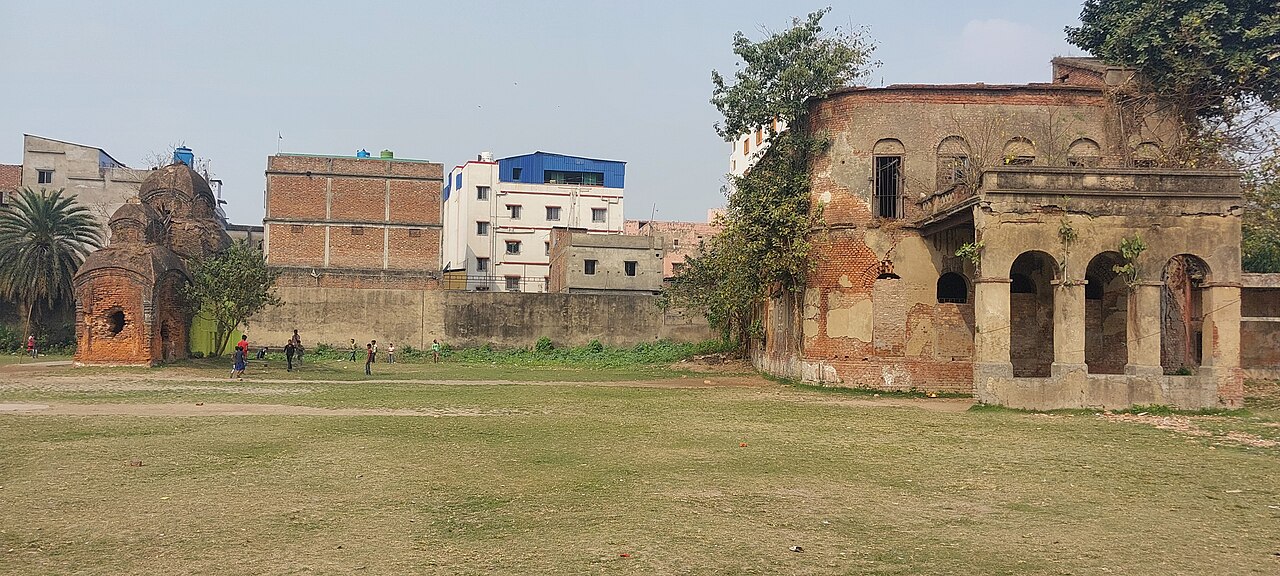
Founded in Kolkata in 1892 by Kripasaran Mahasthavir, the Bengal Buddhist Association, known in Bengali as Bauddha Dharmankur Sabha, raised the Dharmankur Vihara at Bow Barracks in 1903 and has worked for over a century to revive the Dharma in eastern India.
 Buddhism
Bhot Bagan Math
Ghusuri · India · monastery
A brick monastery on the Hooghly riverside at Ghusuri, Howrah, founded in 1776 as the first Tibetan Buddhist religious foundation on the plains of India and still known popularly as Mahakal Math for the Tibetan deity images once installed in its sanctum.
 Buddhism
Borobudur
Magelang · Indonesia · temple
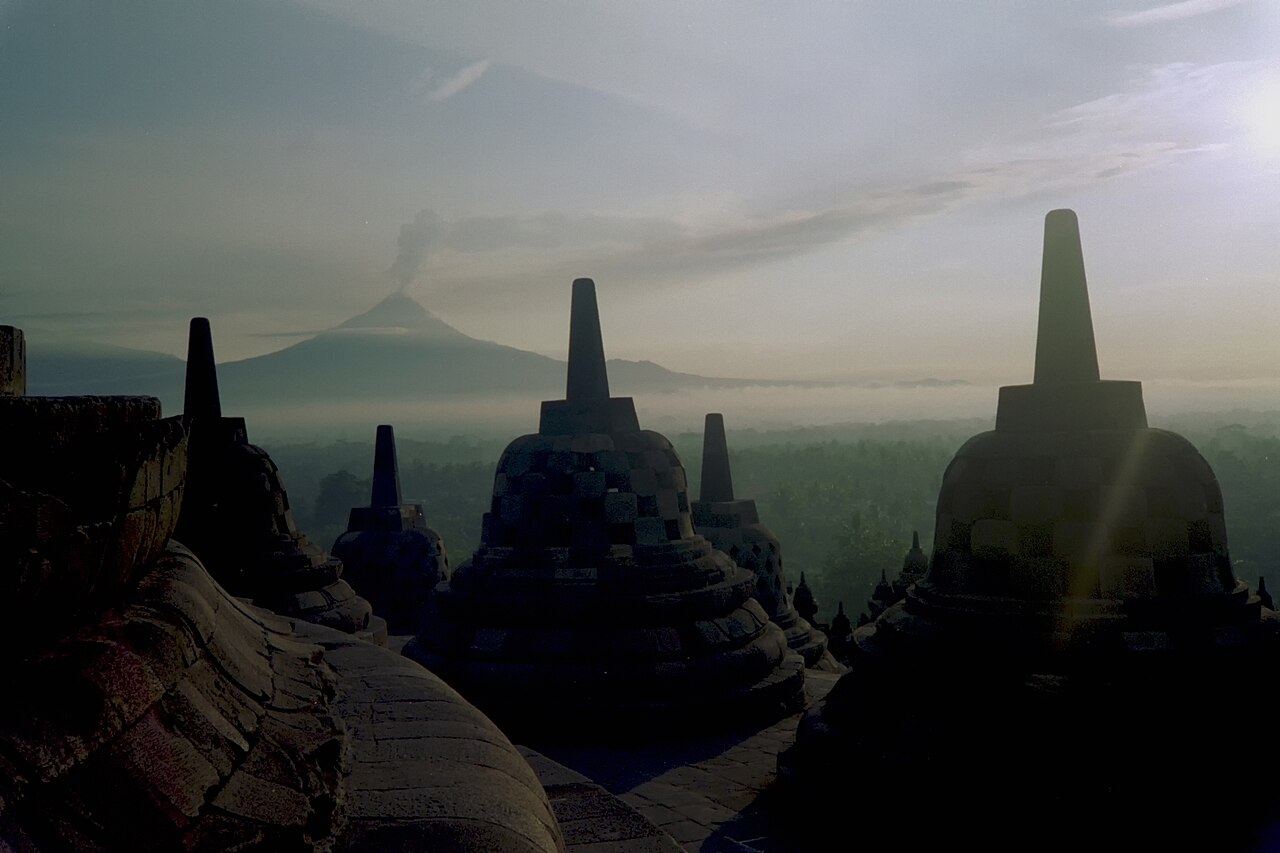
The world's largest Buddhist Temple: a ninth-century mandala in stone on Java's Kedu Plain, nine terraces rising through the three realms to 72 latticed stupas, each sheltering a seated Buddha.
 Buddhism
Boudhanath Stupa
Kathmandu · Nepal · stupa
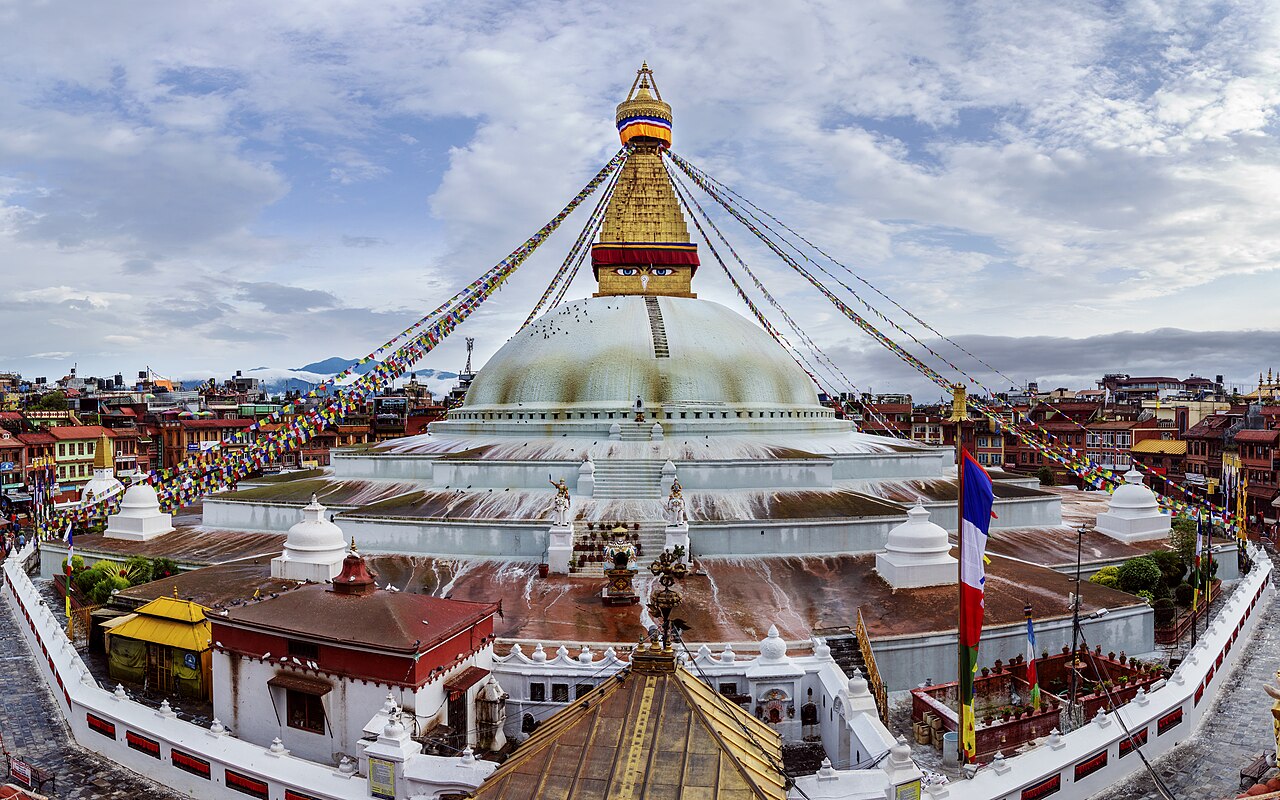
The largest spherical stupa in Nepal, its all-seeing Buddha eyes watching over the kora walked daily by the Tibetan Buddhist community of Boudha, the heart of Vajrayana practice in the Kathmandu Valley.