Wat Paramaiyikawat
Wat Paramaiyikawat Warawihan · Wat Pak Ao · วัดปรมัยยิกาวาส · Wat Poramaiyikawat
About
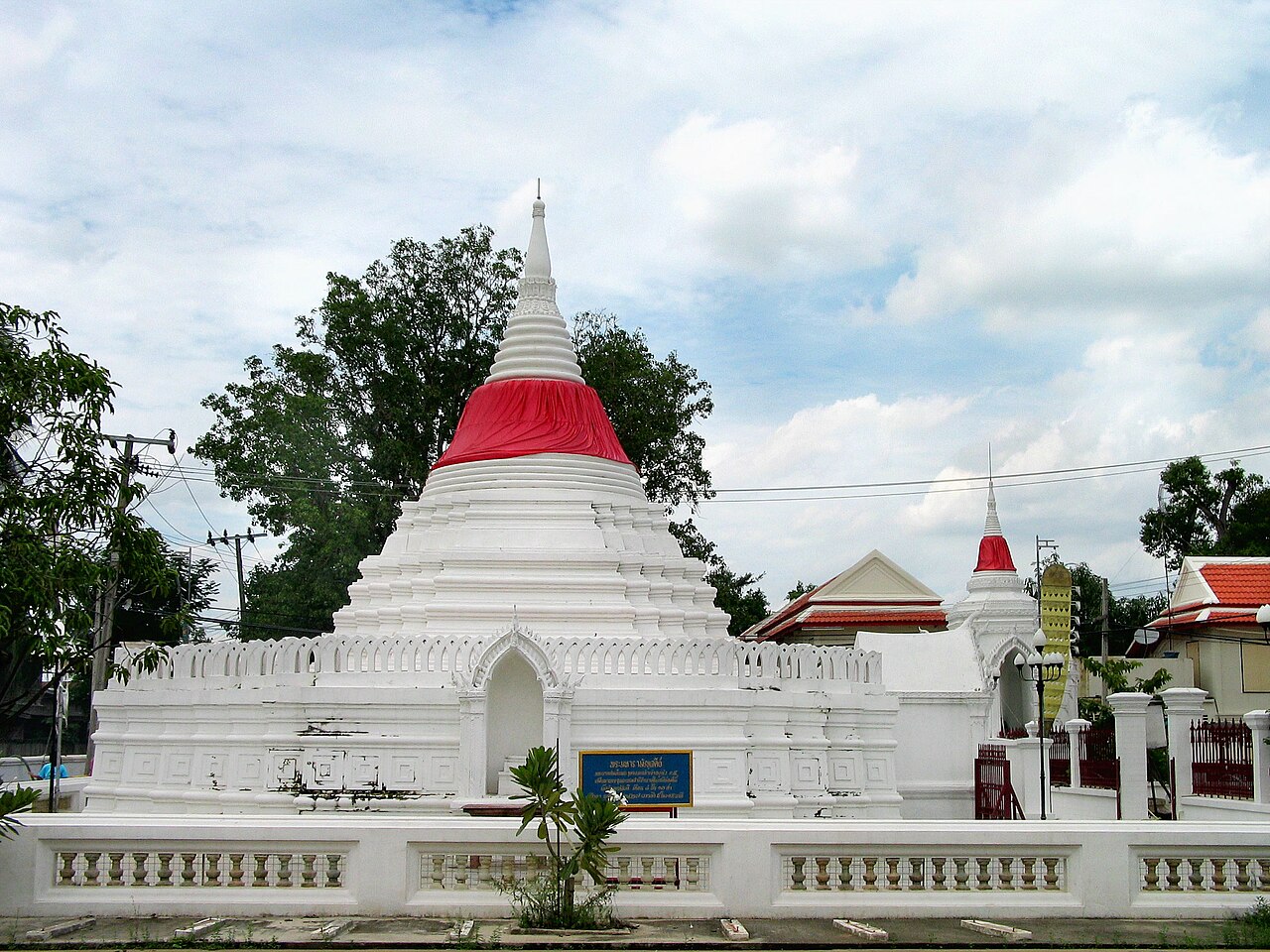
Wat Paramaiyikawat Warawihan rests on the riverine island of Ko Kret in Nonthaburi Province, where the Chao Phraya River meets the channels of Lat Kret and Om Kret. Classified as a second-rank royal Temple, the wat is believed to have been founded in the late Ayutthaya period and was once known as Wat Pak Ao, 'estuary Temple'.
When the Burmese sacked Ayutthaya in 1764 the Temple was abandoned. A decade later, Mon communities who immigrated under King Taksin restored the precinct, calling it in their own tongue 'Pia Moo Kia Terng', 'Temple at the cape'.
In 1874, King Chulalongkorn presided over the Thot Kathin ceremony at four Mon Temples in Nonthaburi. Finding this wat in poor condition, he ordered a careful restoration that preserved its Mon architectural character, dedicating the merit of the work to his grandmother Princess Sudarattanarachaprayur, who had raised him in childhood. He renamed it Wat Paramaiyikawat, 'Temple of grandmother'.
Within the ordination hall, mural paintings in applied Thai style decorate the inner walls. At the island's outer corner stands the Phra Chedi Mutao, a white pagoda in Mon style modelled on the Shwemawdaw of Bago in Myanmar. Riverbank erosion has caused the pagoda to lean gracefully, a serene landmark visible from passing boats and the enduring symbol of Ko Kret.
History
The Temple is believed to have been raised in the late Ayutthaya period under the name Wat Pak Ao, estuary Temple, and stood empty after the Burmese occupation of 1764 until Mon families who settled Ko Kret under King Taksin restored it in 1774, giving it a Mon name of their own. In 1874 King Chulalongkorn found the Temple in poor repair during a royal kathin visit to Nonthaburi's Mon Temples and ordered a careful rebuilding that kept its Mon character, dedicating the merit to the grandmother who had raised him and renaming the Temple Wat Paramaiyikawat, Temple of grandmother. Both the Temple and the chedi were registered as national ancient monuments by Thailand's Fine Arts Department in 1935.
Significance
The Phra Chedi Mutao at the island's outer point is modelled on the Shwemawdaw Pagoda of Bago in Myanmar, and the same river current that shaped Ko Kret has left the pagoda leaning, a landmark best seen from a passing boat. Inside the ordination hall, murals in the applied Thai style still cover the walls, and the Temple keeps its own gilded reclining Buddha within the compound. Wat Paramaiyikawat also serves as Ko Kret's gateway, its ferry pier the crossing point most visitors use to reach the island's potters and its quiet lanes.
Architecture
Mon Temple architecture preserved under royal restoration; the Phra Chedi Mutao is a Mon-style stupa modelled on the Shwemawdaw Pagoda of Bago, Myanmar
Visiting
Hours
Hours not listed.
Contact
No contact details listed yet.
Address
Engage with Wat Paramaiyikawat
Through the four pathways
Seva सेवा — Service
Offer your time and skills here. The following opportunities are open at Wat Paramaiyikawat:
No Seva offerings listed yet.
Sādhana साधना — Practice
Learn the worship and practice associated with Wat Paramaiyikawat:
No Sādhana offerings listed yet.
Sandhāna सन्धान — Wisdom
Unite with the wisdom of this tradition:
No Sandhāna offerings listed yet.
Sādhya साध्य — Giving
Support this sacred place according to your means:
No Sādhya offerings listed yet.
All giving flows directly to Wat Paramaiyikawat. Adisthan does not take a commission.
Festivals & Events
- Apr
Songkran
13 April 2027 · annual
Thailand's traditional New Year. Ko Kret's Mon community keeps its own week on the calendar, extending the water rites and merit-making about a week beyond the national holiday with a boat-borne procession of its own, a custom distinct to the island's Mon heritage.
Gallery
Related sacred places
 Buddhism
Angkor Wat
Siem Reap · Cambodia · temple
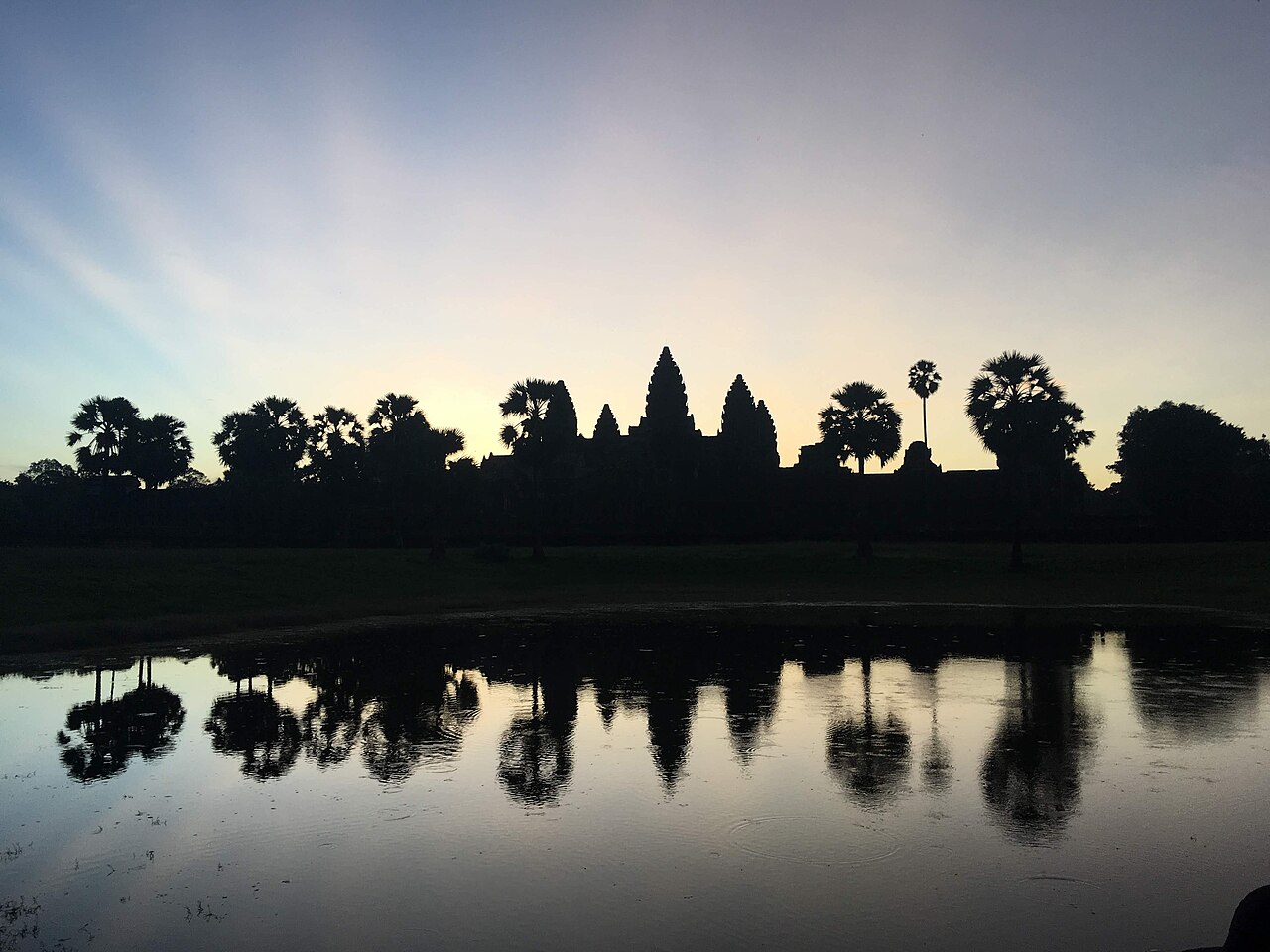
The largest religious monument on earth, built for Lord Vishnu by Suryavarman II in the 12th century and in continuous worship ever since: a living Theravada Buddhist Temple whose five towers stand on the Cambodian flag.
 Buddhism
Bangka Lungshan Temple
Taipei (Wanhua) · Taiwan · temple
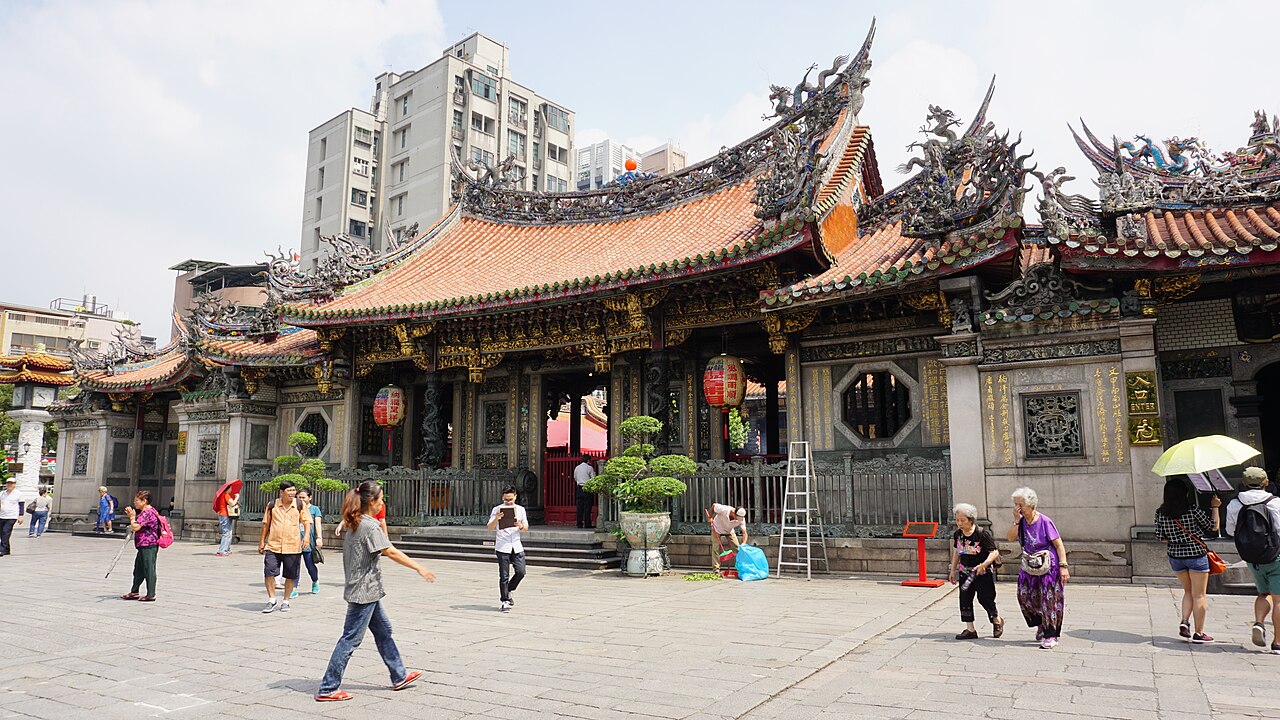
Taipei's mother Temple to Guanshiyin, founded by Fujian settlers in 1738 in the old Bangka quarter: a front hall to the bodhisattva of compassion and a rear hall of more than a hundred Taoist and folk gods, whose Guanyin statue survived the 1945 bombing intact.
 Buddhism
Bengal Buddhist Association
Kolkata · India · monastery
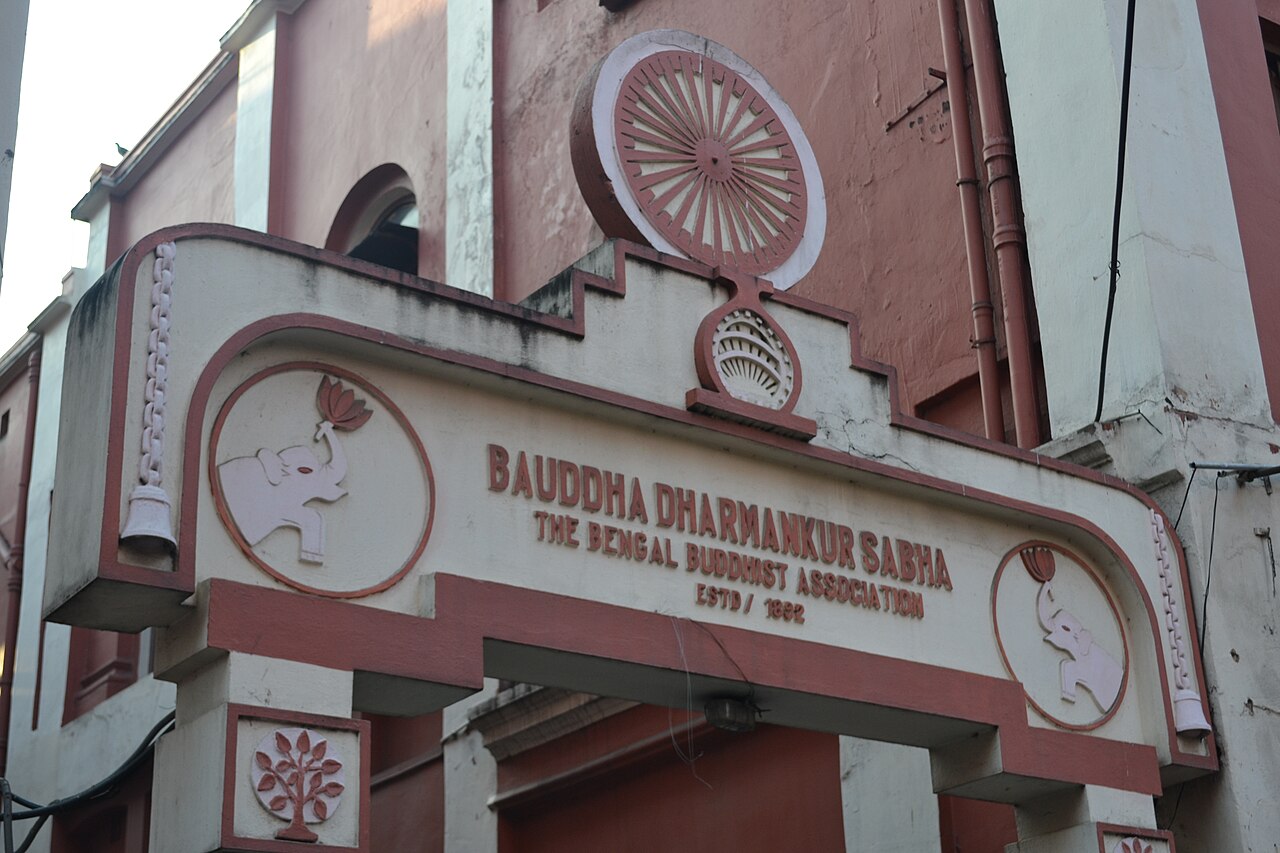
Founded in Kolkata in 1892 by Kripasaran Mahasthavir, the Bengal Buddhist Association, known in Bengali as Bauddha Dharmankur Sabha, raised the Dharmankur Vihara at Bow Barracks in 1903 and has worked for over a century to revive the Dharma in eastern India.
 Buddhism
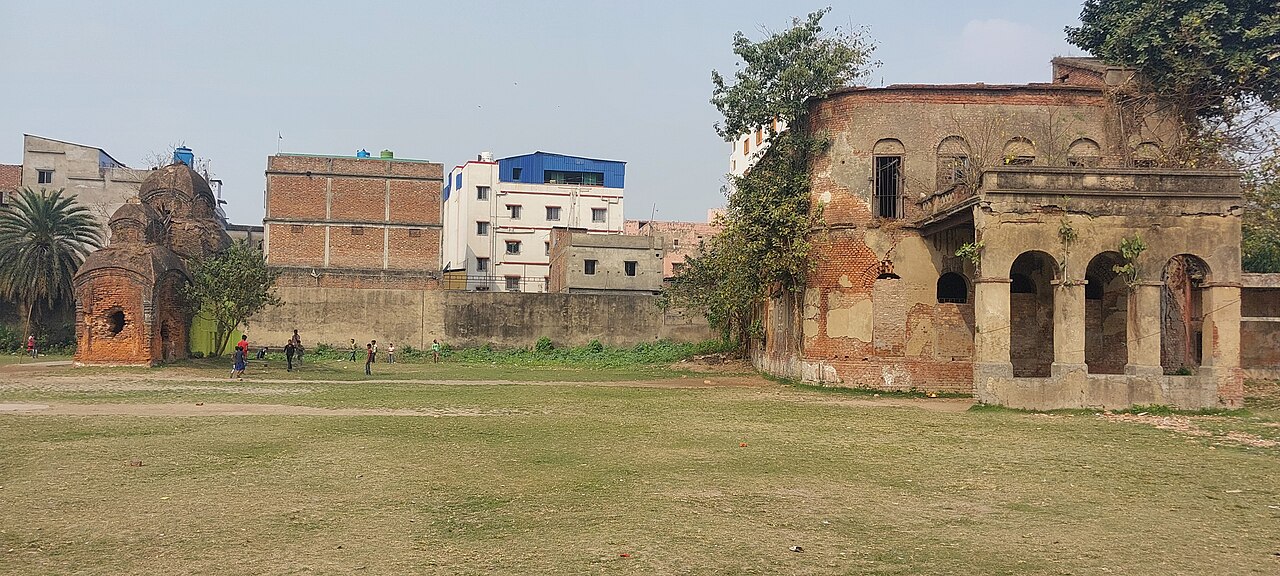
Bhot Bagan Math
Ghusuri · India · monastery
A brick monastery on the Hooghly riverside at Ghusuri, Howrah, founded in 1776 as the first Tibetan Buddhist religious foundation on the plains of India and still known popularly as Mahakal Math for the Tibetan deity images once installed in its sanctum.
 Buddhism
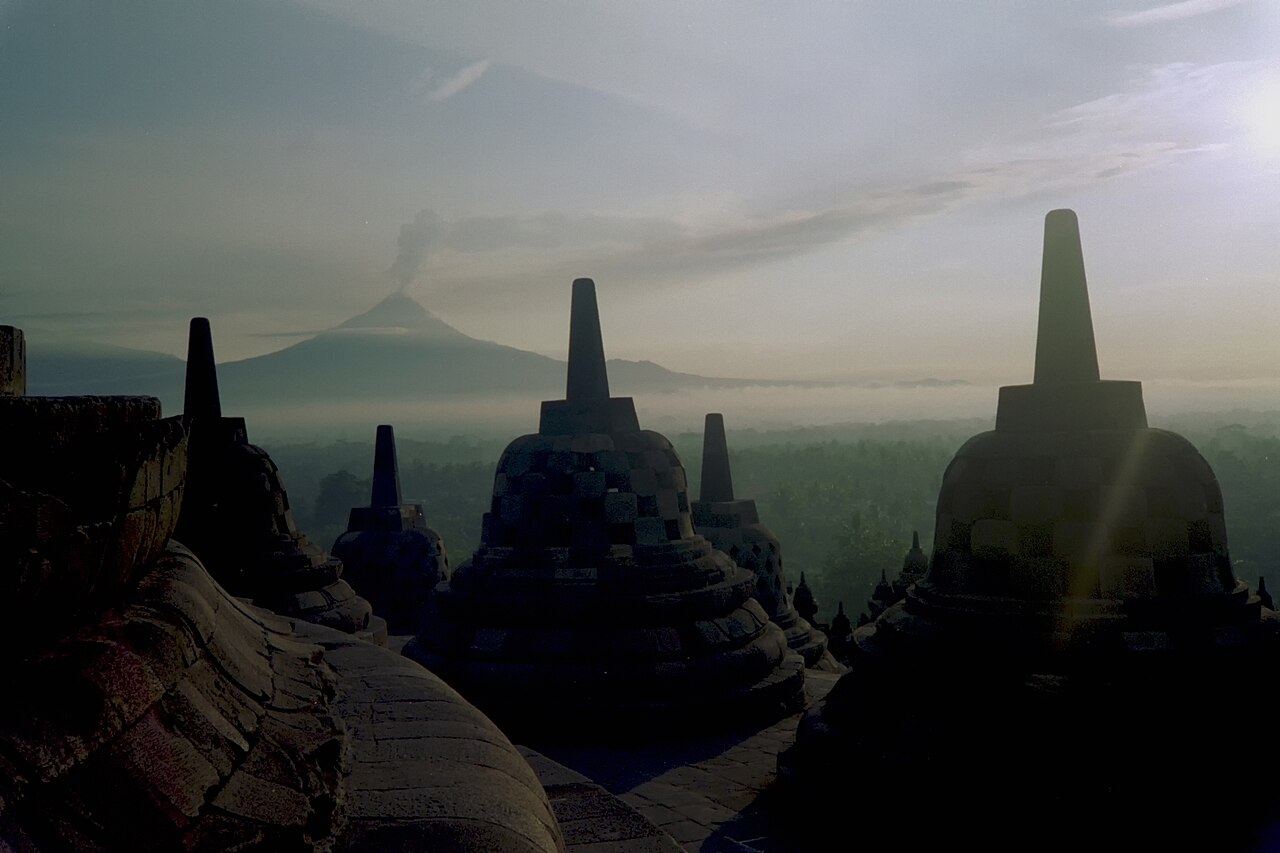
Borobudur
Magelang · Indonesia · temple
The world's largest Buddhist Temple: a ninth-century mandala in stone on Java's Kedu Plain, nine terraces rising through the three realms to 72 latticed stupas, each sheltering a seated Buddha.
 Buddhism
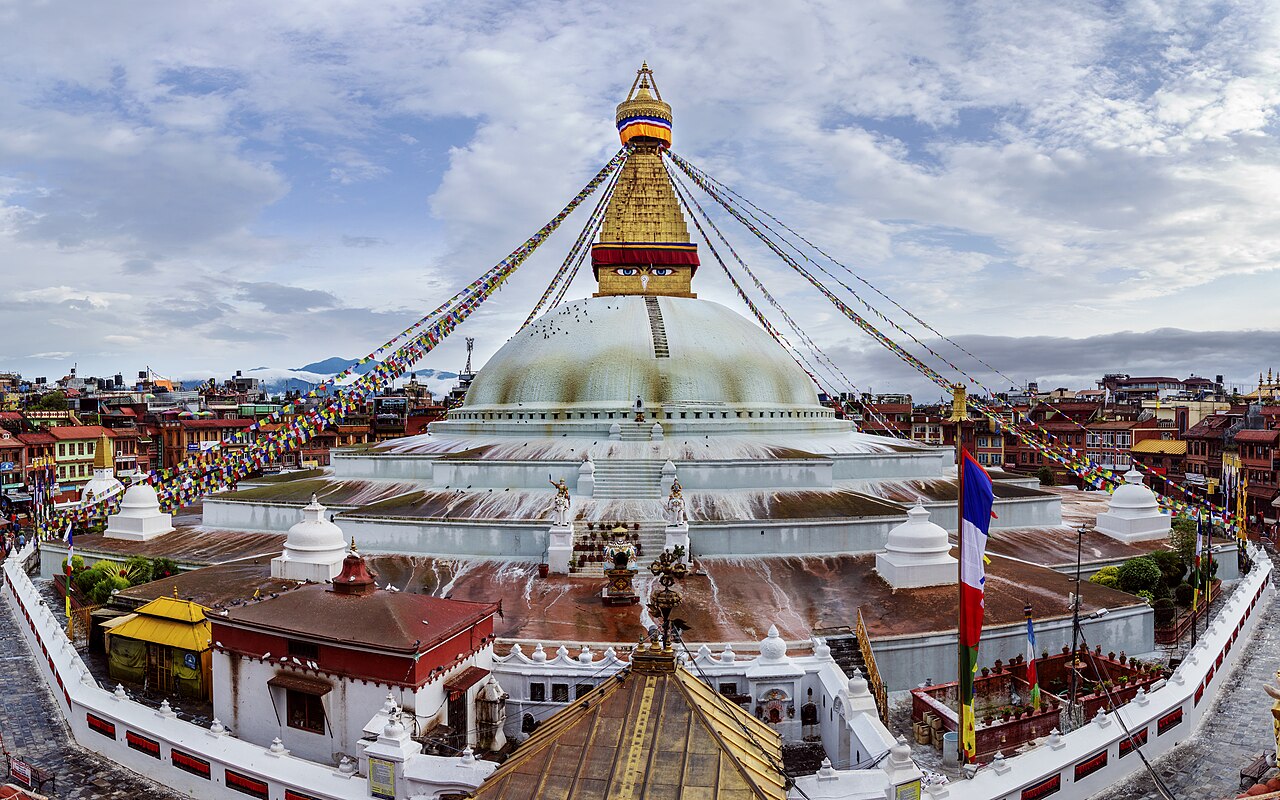
Boudhanath Stupa
Kathmandu · Nepal · stupa
The largest spherical stupa in Nepal, its all-seeing Buddha eyes watching over the kora walked daily by the Tibetan Buddhist community of Boudha, the heart of Vajrayana practice in the Kathmandu Valley.