
Wat Pathum Wanaram
Wat Pathum · Wat Pathum Wanaram Ratcha Wora Viharn · วัดปทุมวนารามราชวรวิหาร
About
Wat Pathum Wanaram, Wat Pathum to most who know it, rises serenely between the towers of Siam Paragon and CentralWorld in Bangkok's Pathum Wan District. Across the street lies Siam Square, and around it the cosmopolitan rhythm of the capital, yet the Temple's grounds hold to a quieter cadence shaped by daily monastic life.
The wat was established in 1857 by King Mongkut, Rama IV, as a sanctuary near his Sa Pathum Palace. At its founding the surrounding land was open rice country, reached chiefly along the waters of Khlong Saen Saeb. The Temple is a third-class royal foundation of the Thammayut Nikaya order. Its full ceremonial name is Wat Pathum Wanaram Ratcha Wora Viharn.
Among the buildings of the complex stands a sala reconstructed in part from the crematorium of the late Princess Mother of Thailand. That earlier crematorium was a fine example of traditional craftsmanship, decorated with ornate stencils and lacquered carved figures. Known in Thai as phra men, the form itself represents Mount Meru, the cosmic axis of the heavens in Buddhist understanding.
Within the precinct, the House of Mahidol Memorial holds the ashes of members of the Thai royal house descended from Queen Savang Vadhana and Prince Mahidol Adulyadej, gathered in quiet remembrance.
History
King Mongkut, Rama IV, founded the Temple in 1857 beside his Sa Pathum Palace, when the area was still open rice country reached only by the Khlong Saen Saeb canal. It was established as a third-class royal monastery of the Thammayut Nikaya order, and one of its sala halls was built in part from the crematorium raised for the Princess Mother of Thailand, its ornate stencilled and lacquered work representing Mount Meru, the cosmic axis of the heavens. In May 2010, during the violent dispersal of protesters in the Pathum Wan area, the Temple was declared a safe zone for the wounded, and six people were killed by gunfire from outside its walls, a sorrowful chapter the Temple has held in quiet memory since.
Significance
The House of Mahidol Memorial within the compound holds the ashes of members of the Thai royal family descended from Queen Savang Vadhana and Prince Mahidol Adulyadej, forebears of the present dynasty. Set between two of the busiest shopping districts in Southeast Asia, the Temple's grounds hold to their own quieter cadence of monastic life, a working reminder that the city grew up around the wat rather than the other way round. Devotees still come to sit in the shade of its courtyard as Bangkok's traffic and towers rise on every side.
Architecture
Traditional Thai royal-temple form; a third-class royal monastery of the Thammayut Nikaya order
Visiting
Hours
Hours not listed.
Contact
Address
Engage with Wat Pathum Wanaram
Through the four pathways
Seva सेवा — Service
Offer your time and skills here. The following opportunities are open at Wat Pathum Wanaram:
No Seva offerings listed yet.
Sādhana साधना — Practice
Learn the worship and practice associated with Wat Pathum Wanaram:
No Sādhana offerings listed yet.
Sandhāna सन्धान — Wisdom
Unite with the wisdom of this tradition:
No Sandhāna offerings listed yet.
Sādhya साध्य — Giving
Support this sacred place according to your means:
No Sādhya offerings listed yet.
All giving flows directly to Wat Pathum Wanaram. Adisthan does not take a commission.
Festivals & Events
- Jul
Asalha Bucha
29 July 2026 · annual
The day the Buddha preached his first sermon and the Buddhist monastic Sangha came into being, observed here with candlelit processions around the ordination hall.
- Feb
Magha Puja
21 February 2027 · annual
Commemorating the spontaneous gathering of 1,250 enlightened disciples before the Buddha, marked here with an evening candlelight circumambulation of the Temple grounds.
Gallery
Related sacred places
 Buddhism
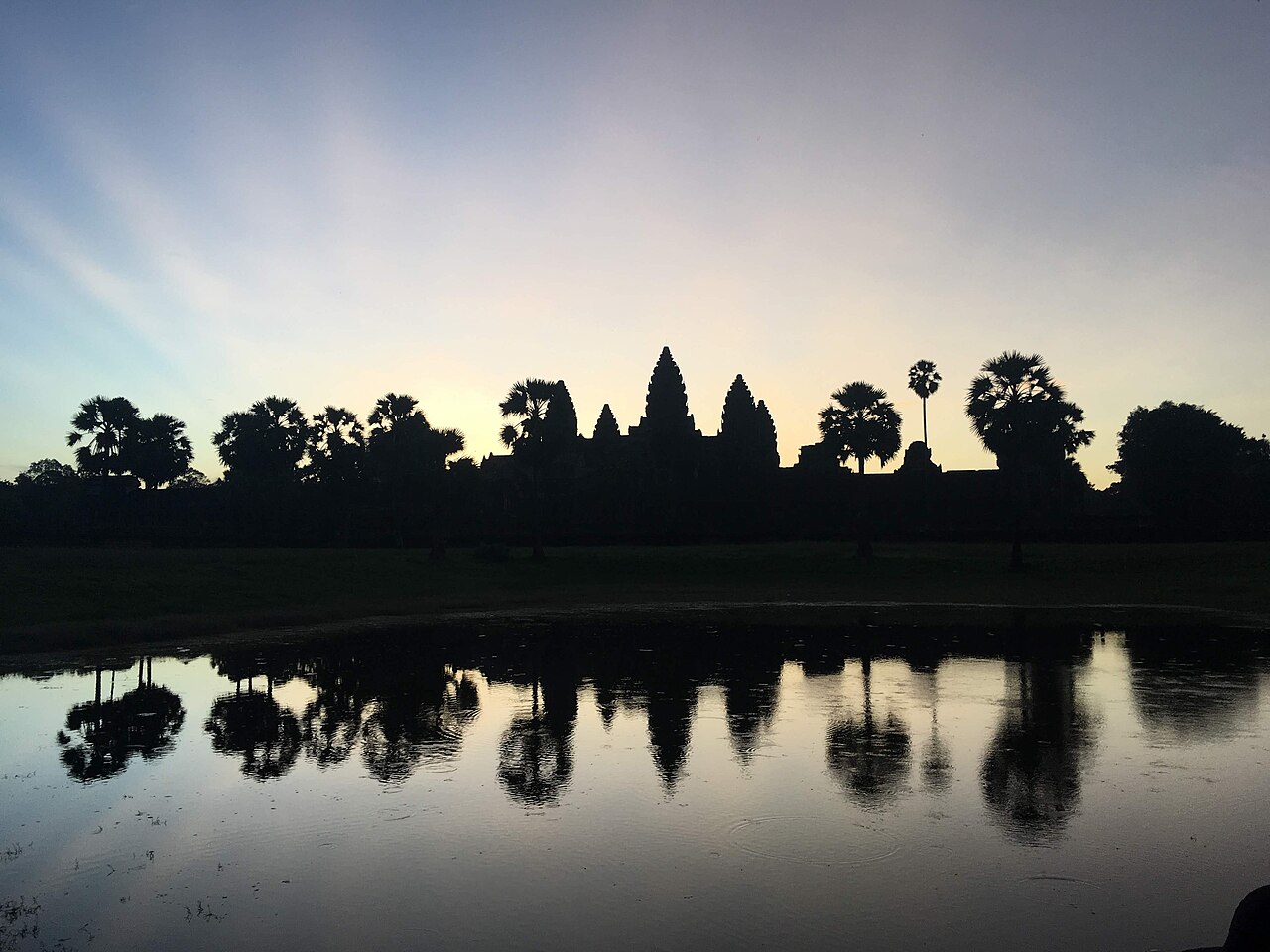
Angkor Wat
Siem Reap · Cambodia · temple
The largest religious monument on earth, built for Lord Vishnu by Suryavarman II in the 12th century and in continuous worship ever since: a living Theravada Buddhist Temple whose five towers stand on the Cambodian flag.
 Buddhism
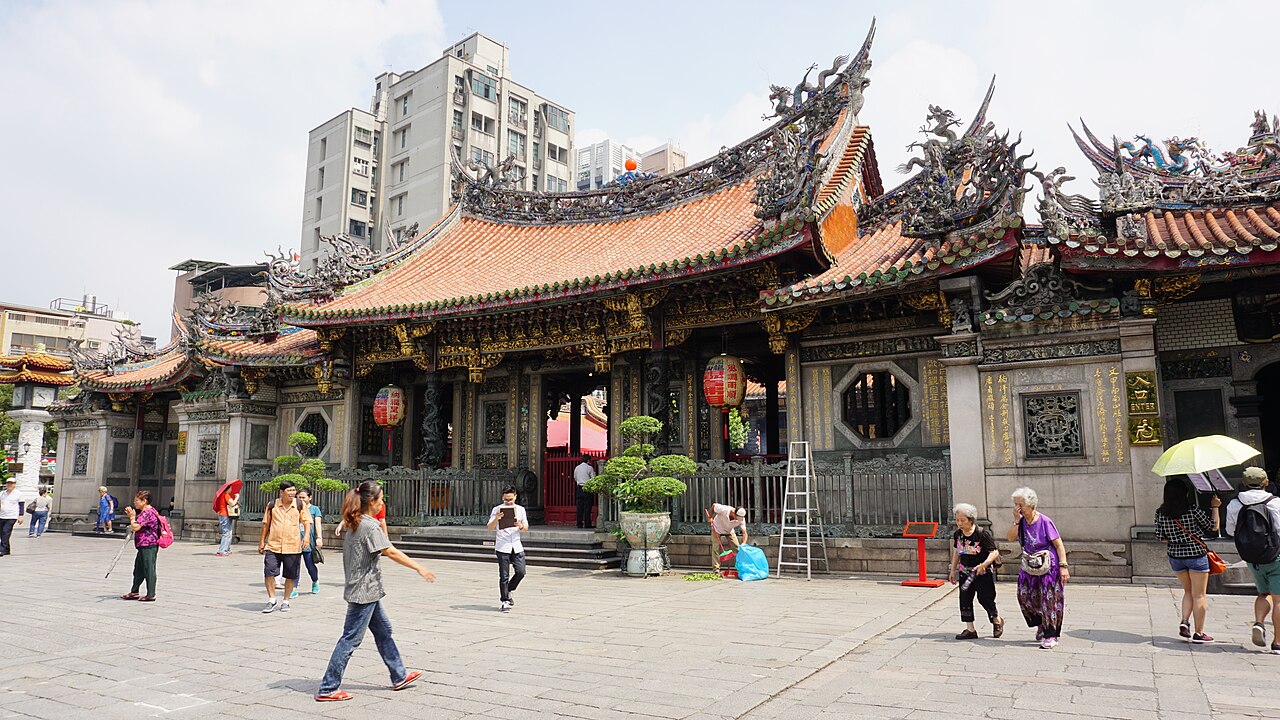
Bangka Lungshan Temple
Taipei (Wanhua) · Taiwan · temple
Taipei's mother Temple to Guanshiyin, founded by Fujian settlers in 1738 in the old Bangka quarter: a front hall to the bodhisattva of compassion and a rear hall of more than a hundred Taoist and folk gods, whose Guanyin statue survived the 1945 bombing intact.
 Buddhism
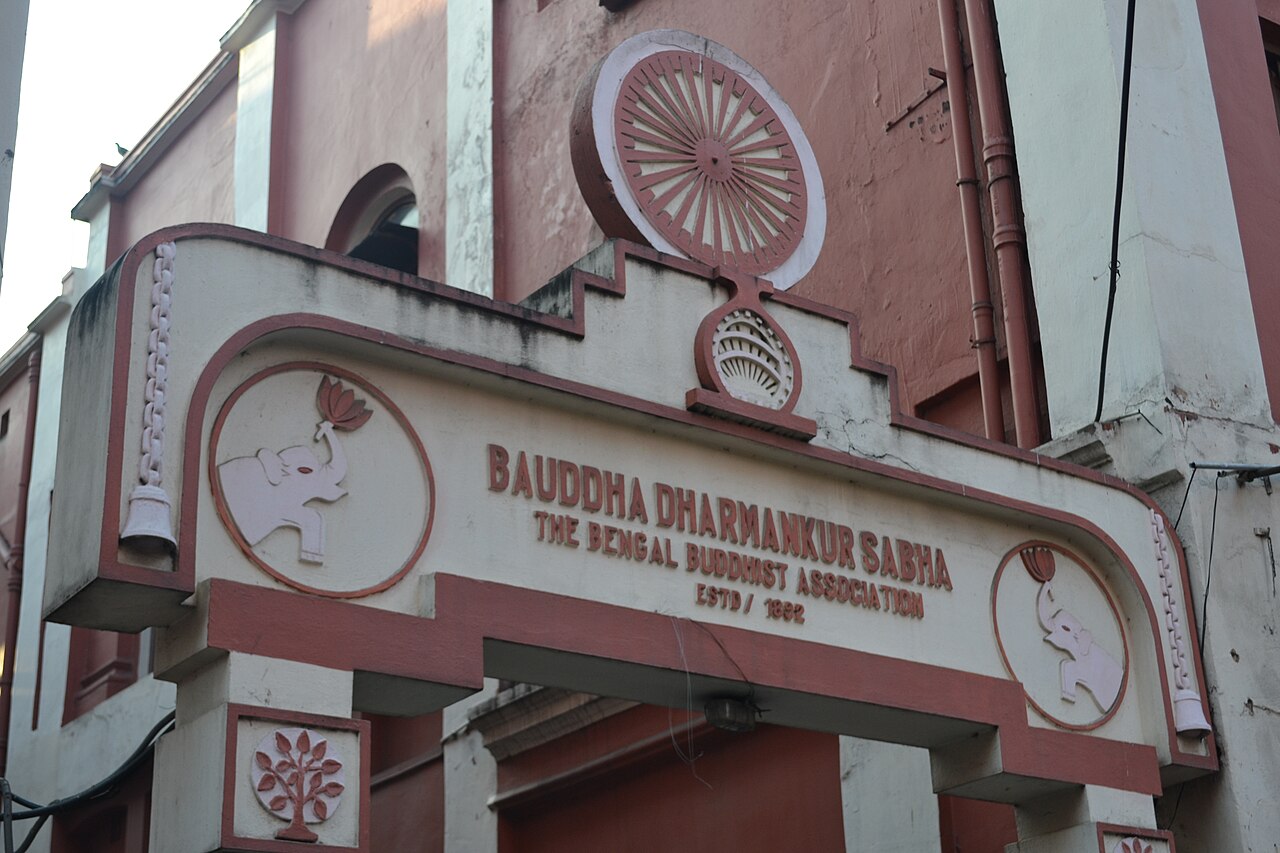
Bengal Buddhist Association
Kolkata · India · monastery
Founded in Kolkata in 1892 by Kripasaran Mahasthavir, the Bengal Buddhist Association, known in Bengali as Bauddha Dharmankur Sabha, raised the Dharmankur Vihara at Bow Barracks in 1903 and has worked for over a century to revive the Dharma in eastern India.
 Buddhism
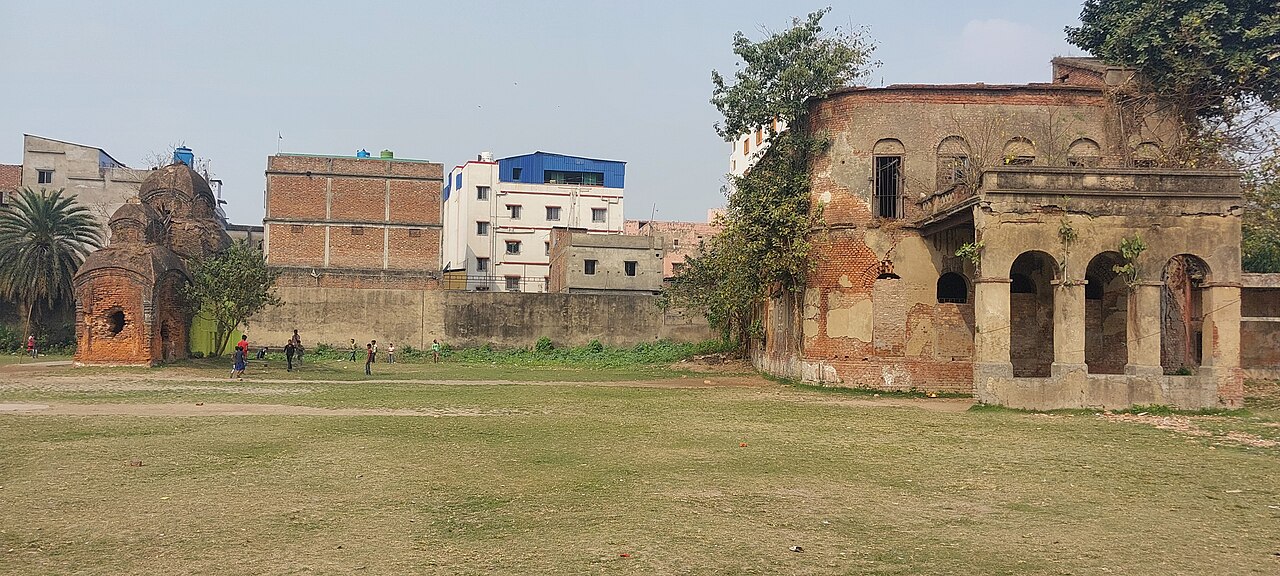
Bhot Bagan Math
Ghusuri · India · monastery
A brick monastery on the Hooghly riverside at Ghusuri, Howrah, founded in 1776 as the first Tibetan Buddhist religious foundation on the plains of India and still known popularly as Mahakal Math for the Tibetan deity images once installed in its sanctum.
 Buddhism
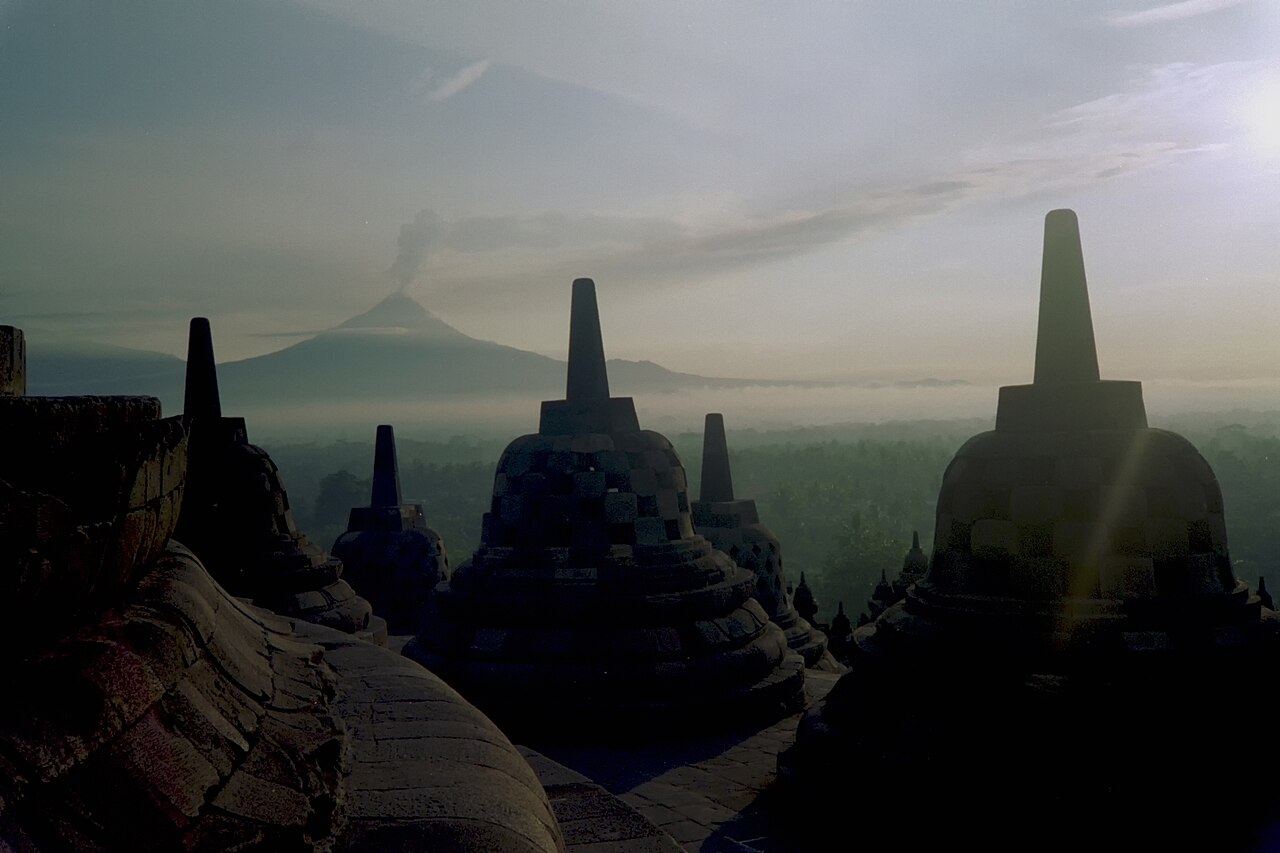
Borobudur
Magelang · Indonesia · temple
The world's largest Buddhist Temple: a ninth-century mandala in stone on Java's Kedu Plain, nine terraces rising through the three realms to 72 latticed stupas, each sheltering a seated Buddha.
 Buddhism
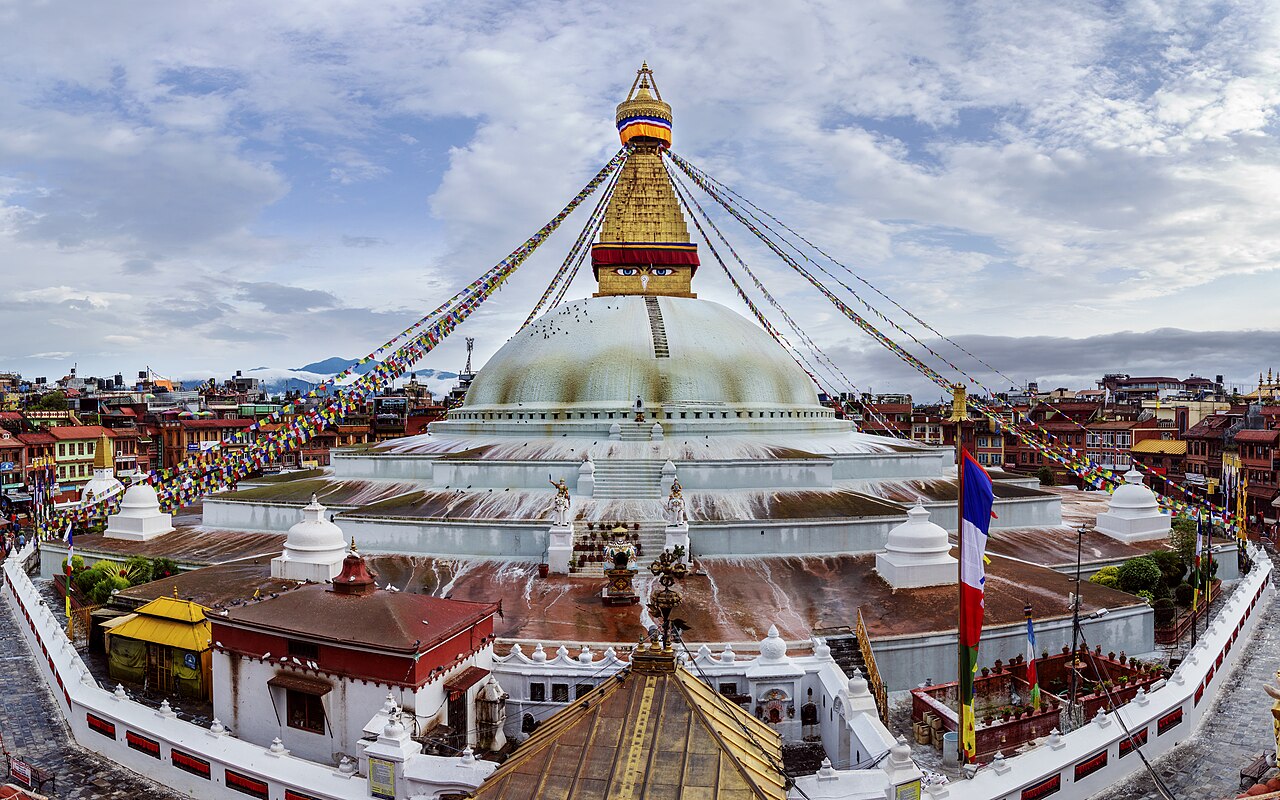
Boudhanath Stupa
Kathmandu · Nepal · stupa
The largest spherical stupa in Nepal, its all-seeing Buddha eyes watching over the kora walked daily by the Tibetan Buddhist community of Boudha, the heart of Vajrayana practice in the Kathmandu Valley.