Wat Pha Luangta Maha Bua
Tiger Temple · Wat Pha Luang Ta Bua Yanasampanno · วัดป่าหลวงตาบัว ญาณสัมปันโน
About
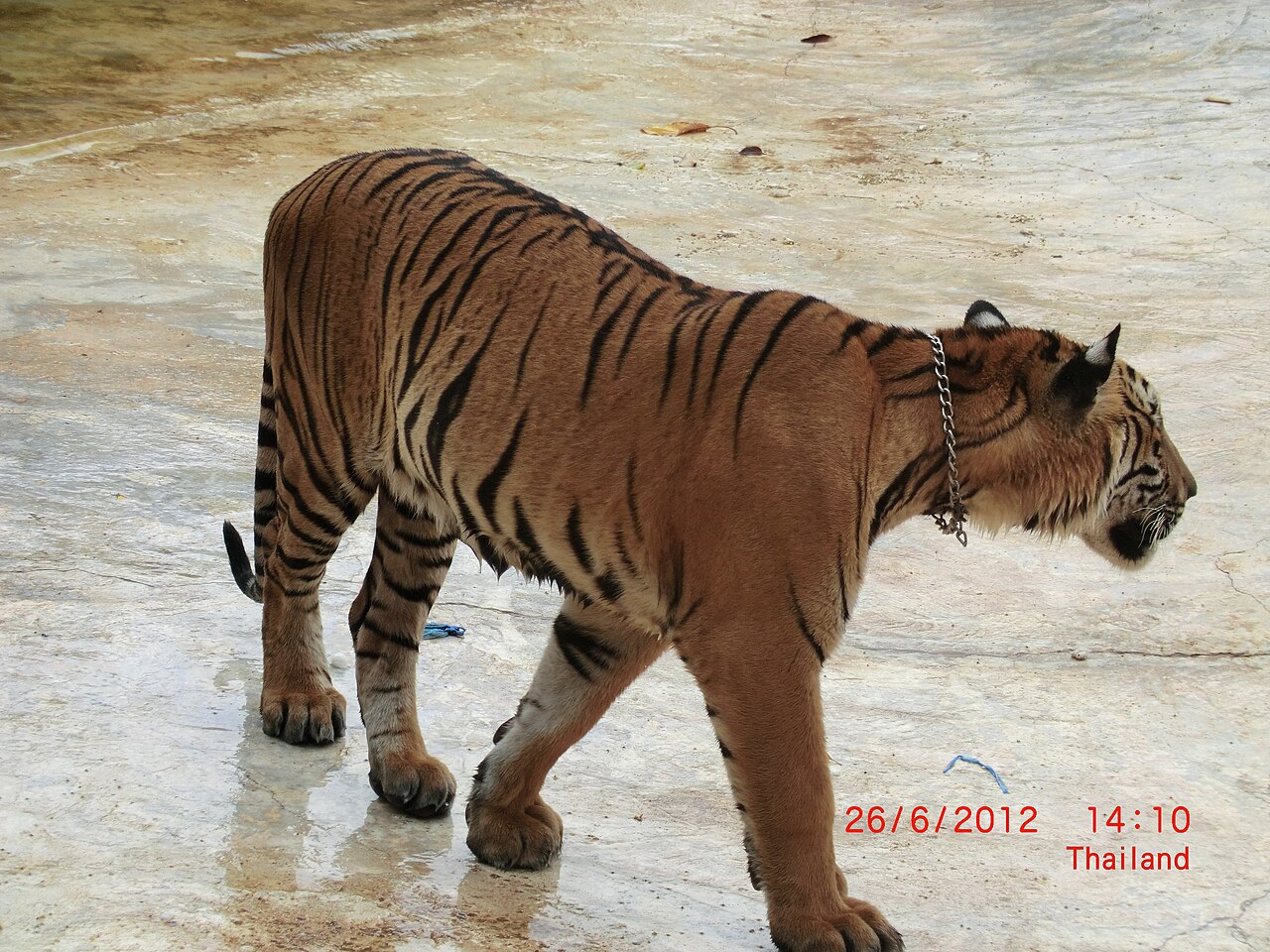
Wat Pha Luangta Bua Yanasampanno, widely known as the Tiger Temple, was a Buddhist monastery of the forest tradition, situated within the Sai Yok District of Kanchanaburi Province in western Thailand. In keeping with the Thai forest-monastery ethos, it occupied a wooded setting away from urban centres, intended as a place of contemplative retreat and encounter with the natural world.
The monastery became broadly known not primarily for its religious practice but for the unusual presence of large wild cats on its grounds. Beginning with a single tiger cub received in 1999, the facility accumulated a substantial population of Indochinese tigers over the following years, drawing visitors from around the world who came to observe and interact with the animals. At its peak, the Temple held more than 150 tigers.
The site operated in a manner that raised sustained concern among wildlife protection organisations and conservation bodies. Numerous groups, including internationally recognised animal welfare and zoo associations, questioned the conditions in which the animals were kept and the absence of affiliation with accredited conservation breeding programmes. Following years of scrutiny, Thai authorities from the Wildlife Conservation Office conducted a major operation in May 2016 to remove the tigers, and the facility was closed to the public at that time.
History
The monastery was founded in 1994 as a forest Temple and sanctuary for injured and orphaned wildlife, and received its first tiger cub in 1999. Word of the chance to walk among tigers drew growing numbers of visitors over the following years, and the monastery's tiger population grew past one hundred and fifty at its peak, generating substantial income from visitor fees. Conservation organisations, among them Care for the Wild International, raised concerns from 2008 onward about unlicensed breeding and possible wildlife trafficking, concerns that a coalition of nearly forty conservation groups brought formally to Thai authorities. In May 2016, police and wildlife officials carried out a major operation to remove every tiger from the site, in the course of which officials recovered the preserved remains of dozens of tiger cubs kept in freezers on the premises. The monastery has remained closed to the public since.
Significance
The monastery's founding ideal, a forest refuge extending compassion to injured and orphaned creatures, reflects a principle that runs through Theravada teaching, and it is that ideal against which the site's later history is most often measured. What began as a sanctuary grew, in the judgment of international conservation bodies, into an operation whose commercial success outpaced both the welfare of the animals in its care and the oversight a monastic institution owes to what it keeps. The case is now widely studied wherever the question is asked what a religious site owes the wild creatures it takes in, and where the line falls between sanctuary and spectacle.
Architecture
Thai forest-monastery buildings across a wooded and quarried compound; no architecturally distinguished shrine hall is documented in available sources
Visiting
Hours
Hours not listed.
Contact
Engage with Wat Pha Luangta Maha Bua
Through the four pathways
Seva सेवा — Service
Offer your time and skills here. The following opportunities are open at Wat Pha Luangta Maha Bua:
No Seva offerings listed yet.
Sādhana साधना — Practice
Learn the worship and practice associated with Wat Pha Luangta Maha Bua:
No Sādhana offerings listed yet.
Sandhāna सन्धान — Wisdom
Unite with the wisdom of this tradition:
No Sandhāna offerings listed yet.
Sādhya साध्य — Giving
Support this sacred place according to your means:
No Sādhya offerings listed yet.
All giving flows directly to Wat Pha Luangta Maha Bua. Adisthan does not take a commission.
Gallery
Related sacred places
 Buddhism
Angkor Wat
Siem Reap · Cambodia · temple
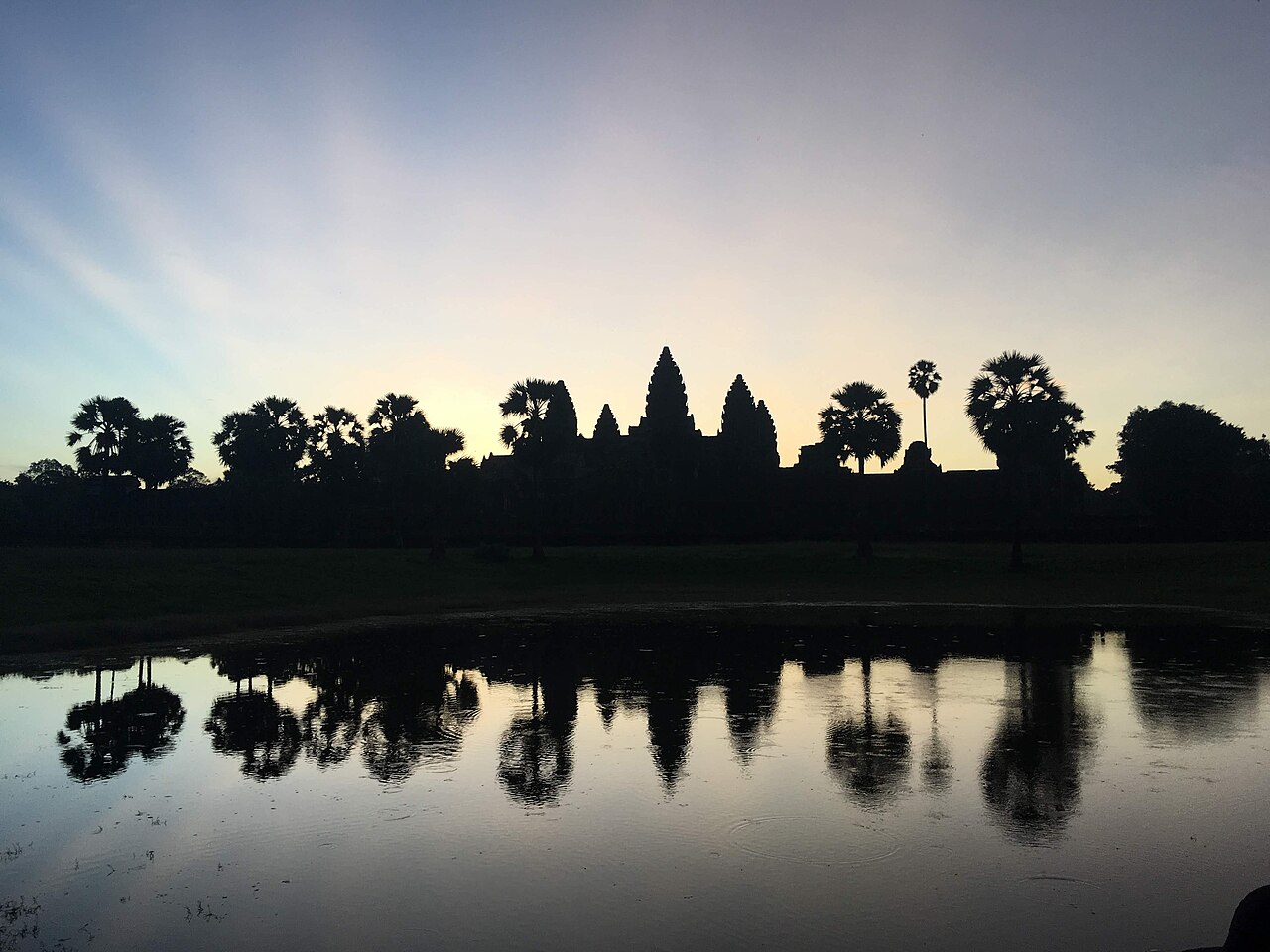
The largest religious monument on earth, built for Lord Vishnu by Suryavarman II in the 12th century and in continuous worship ever since: a living Theravada Buddhist Temple whose five towers stand on the Cambodian flag.
 Buddhism
Bangka Lungshan Temple
Taipei (Wanhua) · Taiwan · temple
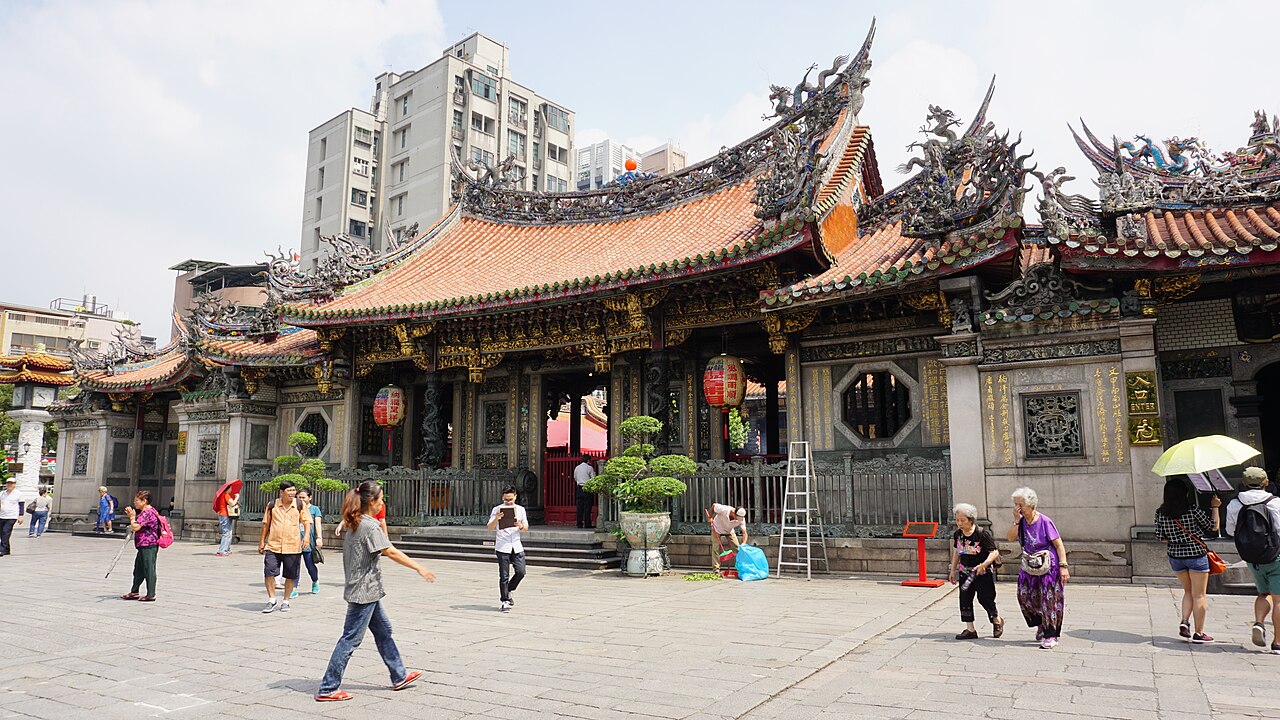
Taipei's mother Temple to Guanshiyin, founded by Fujian settlers in 1738 in the old Bangka quarter: a front hall to the bodhisattva of compassion and a rear hall of more than a hundred Taoist and folk gods, whose Guanyin statue survived the 1945 bombing intact.
 Buddhism
Bengal Buddhist Association
Kolkata · India · monastery
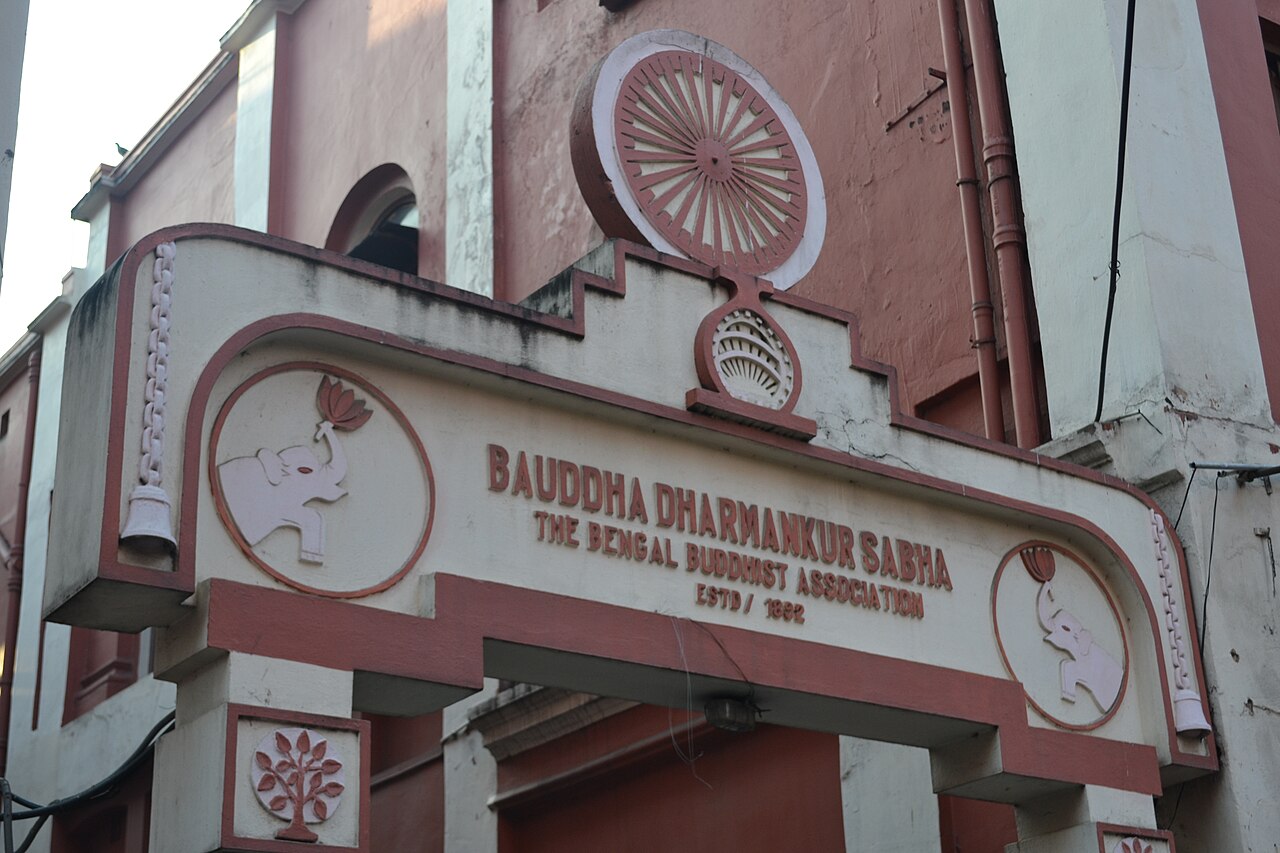
Founded in Kolkata in 1892 by Kripasaran Mahasthavir, the Bengal Buddhist Association, known in Bengali as Bauddha Dharmankur Sabha, raised the Dharmankur Vihara at Bow Barracks in 1903 and has worked for over a century to revive the Dharma in eastern India.
 Buddhism
Bhot Bagan Math
Ghusuri · India · monastery
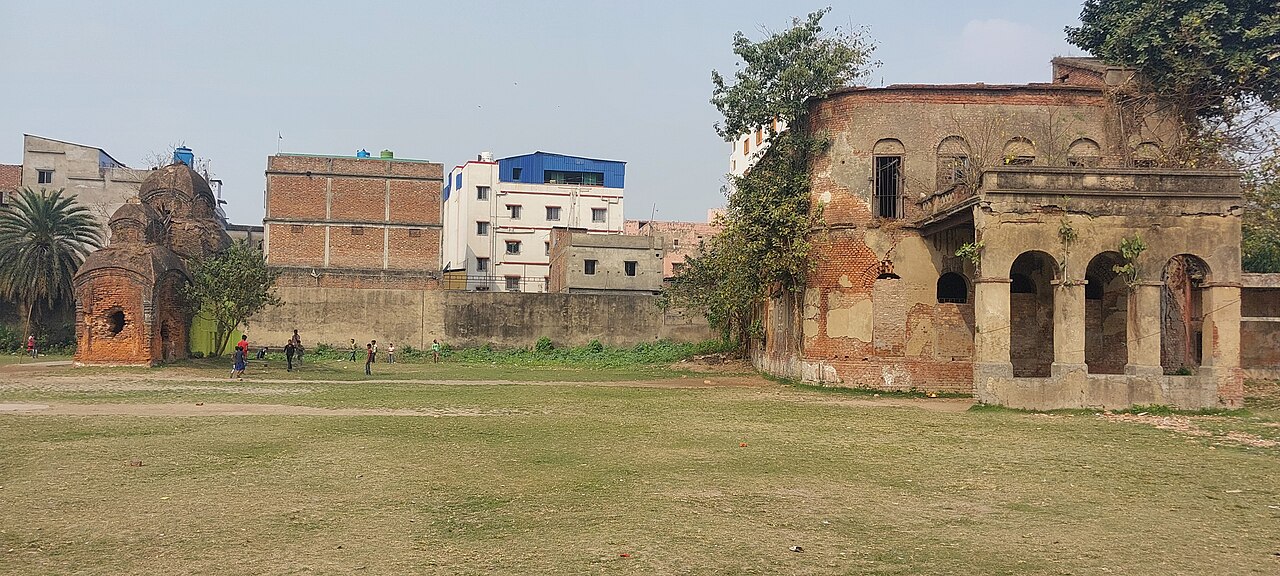
A brick monastery on the Hooghly riverside at Ghusuri, Howrah, founded in 1776 as the first Tibetan Buddhist religious foundation on the plains of India and still known popularly as Mahakal Math for the Tibetan deity images once installed in its sanctum.
 Buddhism
Borobudur
Magelang · Indonesia · temple
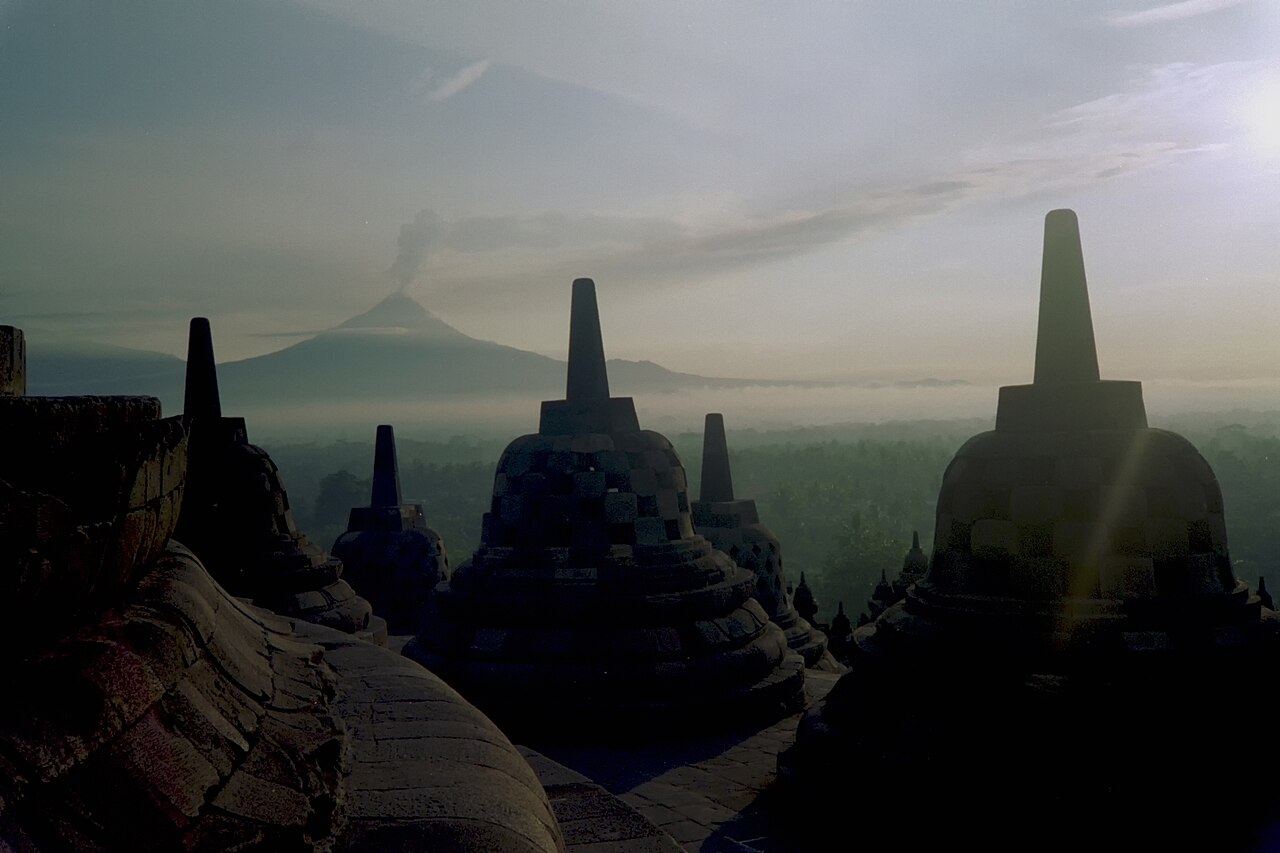
The world's largest Buddhist Temple: a ninth-century mandala in stone on Java's Kedu Plain, nine terraces rising through the three realms to 72 latticed stupas, each sheltering a seated Buddha.
 Buddhism
Boudhanath Stupa
Kathmandu · Nepal · stupa
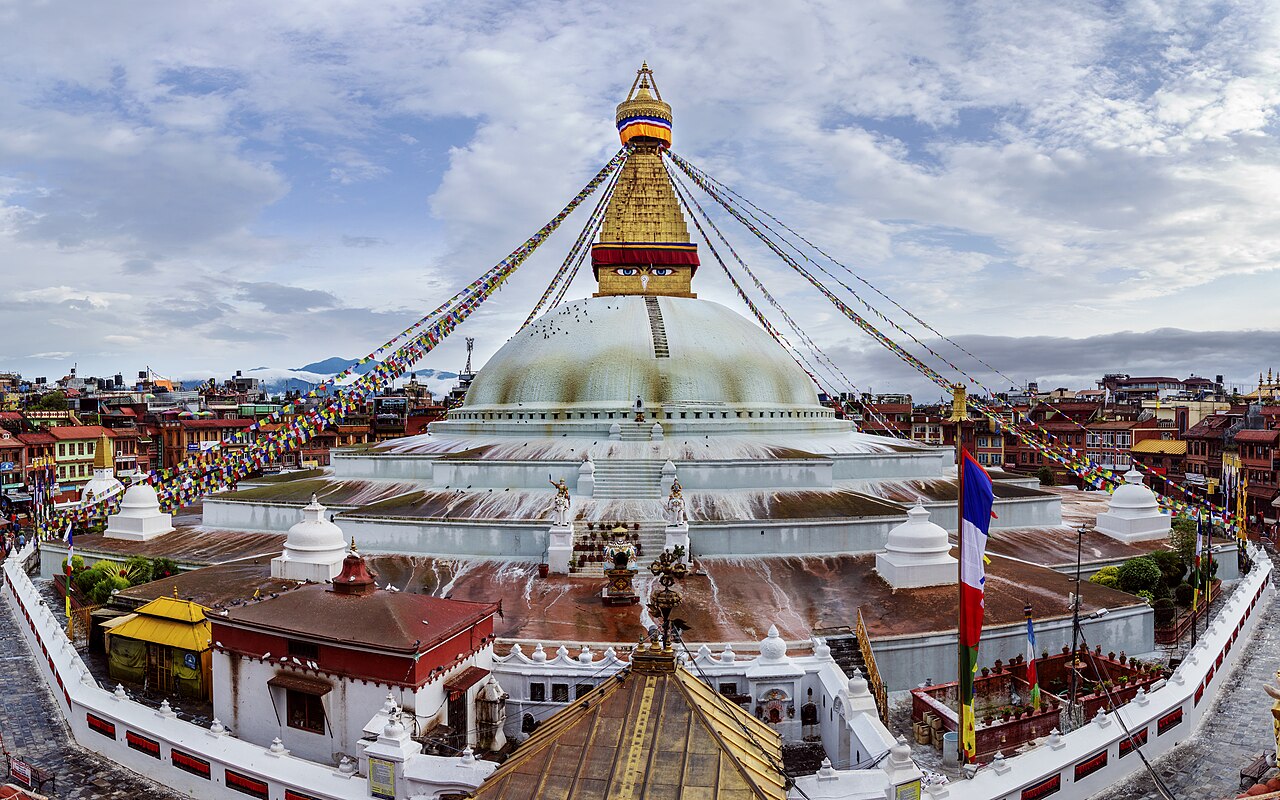
The largest spherical stupa in Nepal, its all-seeing Buddha eyes watching over the kora walked daily by the Tibetan Buddhist community of Boudha, the heart of Vajrayana practice in the Kathmandu Valley.