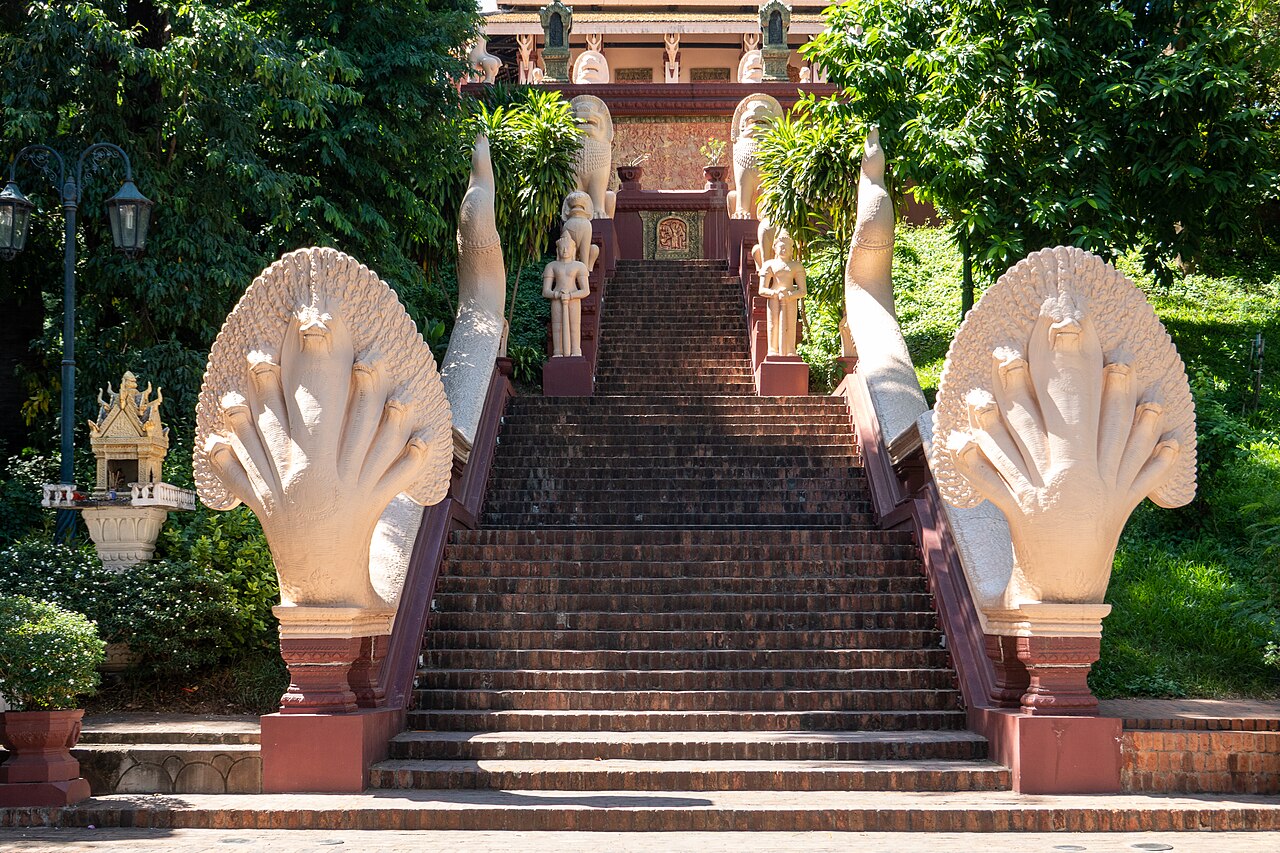
Wat Phnom
About
Wat Phnom, the 'Mountain Pagoda', stands within the Doun Penh district of Phnom Penh, a forty-six-metre rise crowned with a stupa, a sanctuary, and the memory of the city's founding. The hill is itself part of Khmer national identity, and the very name of the capital refers to it.
A cherished legend recounts that in 1372 a wealthy elderly woman named Penh lived near the confluence of the four rivers. After a heavy rain she came upon a floating koki tree, and when villagers drew it ashore she discovered within its hollow four Buddha statues, of bronze, brass, and marble, together with a fifth image of Vishnu. To shelter these treasures, Penh asked the villagers to raise an artificial hill and a small wooden Temple at its summit, where monks blessed the statues and named the hermitage Wat Phnom.
In the fifteenth century King Ponhea Yat moved his court to the confluence of the Tonle Sap after severe floods at Tuol Basan, building his new palace below the hill and a hermitage at its summit, which he called Wat Phnom Doun Penh in remembrance of Lady Penh. After his death, a large stupa was raised in his honour at the top of the Temple.
The present sanctuary has been rebuilt repeatedly, in the nineteenth century and again in 1926. Within, a great bronze seated Buddha presides over an altar, with walls covered in murals of Jataka scenes and episodes from the Reamker, the Khmer Ramayana. A small shrine to Lady Penh stands at the southwest corner.
History
Local tradition places the Temple's beginnings in 1372, when Lady Penh is said to have established a small wooden shrine atop a raised mound to house Buddha images and a Vishnu statue retrieved from a koki tree drifting in the river.
The site rose to capital prominence in the late fourteenth century under King Ponhea Yat, who moved his court here from Tuol Basan in 1397 after severe flooding, building both his palace at the foot of the hill and a hermitage at its summit. After his death he was honoured with a large stupa at the crown of Wat Phnom. The sanctuary itself was reconstructed in the nineteenth century and again in 1926, but the pilgrimage circuit and the shrine of Lady Penh have remained continuous through the centuries.
Visiting
Engage with Wat Phnom
Through the four pathways
Seva सेवा — Service
Offer your time and skills here. The following opportunities are open at Wat Phnom:
No Seva offerings listed yet.
Sādhana साधना — Practice
Learn the worship and practice associated with Wat Phnom:
No Sādhana offerings listed yet.
Sandhāna सन्धान — Wisdom
Unite with the wisdom of this tradition:
No Sandhāna offerings listed yet.
Sādhya साध्य — Giving
Support this sacred place according to your means:
No Sādhya offerings listed yet.
All giving flows directly to Wat Phnom. Adisthan does not take a commission.
Gallery
Related sacred places
 Buddhism
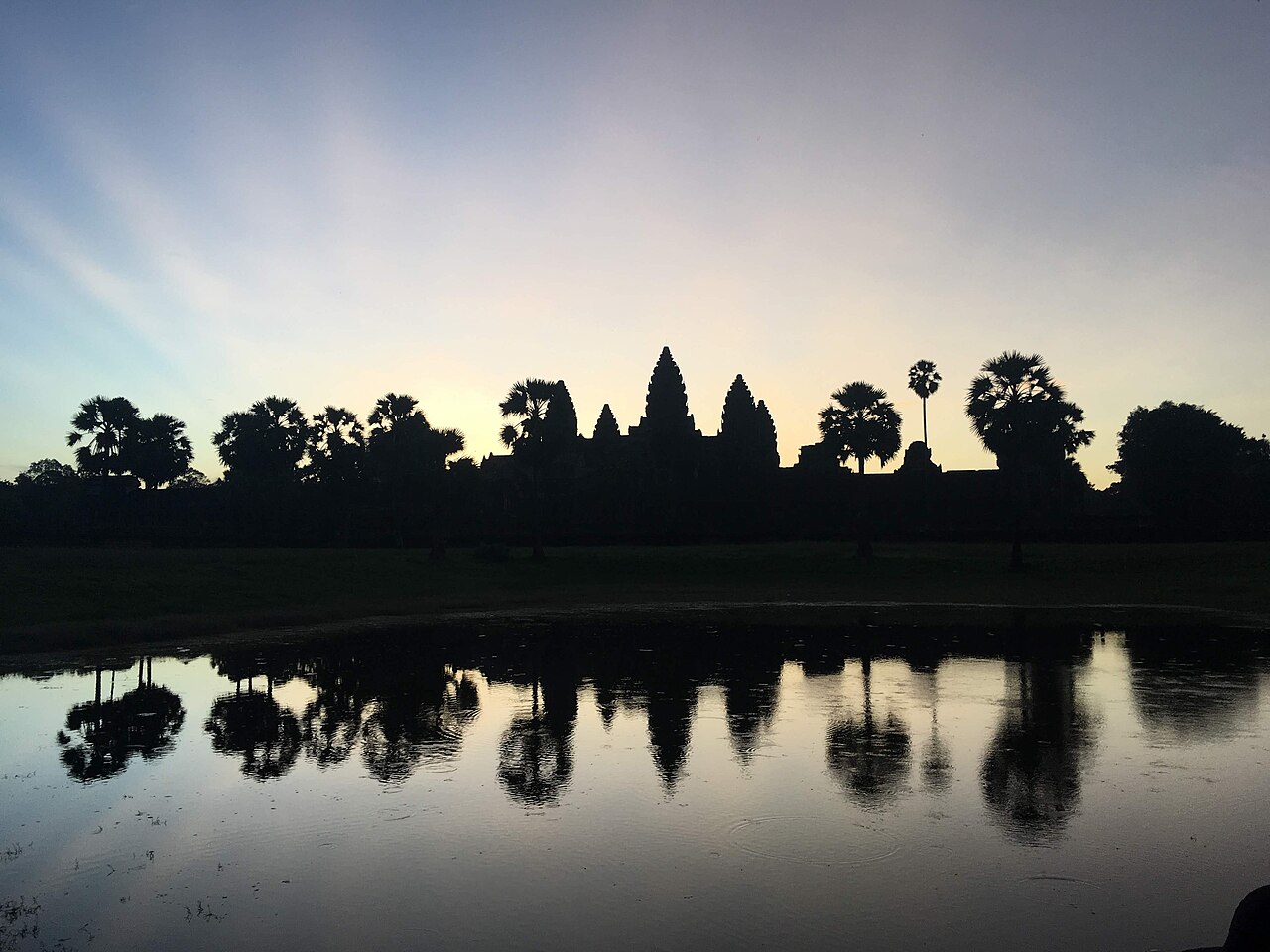
Angkor Wat
Siem Reap · Cambodia · temple
The largest religious monument on earth, built for Lord Vishnu by Suryavarman II in the 12th century and in continuous worship ever since: a living Theravada Buddhist Temple whose five towers stand on the Cambodian flag.
 Buddhism
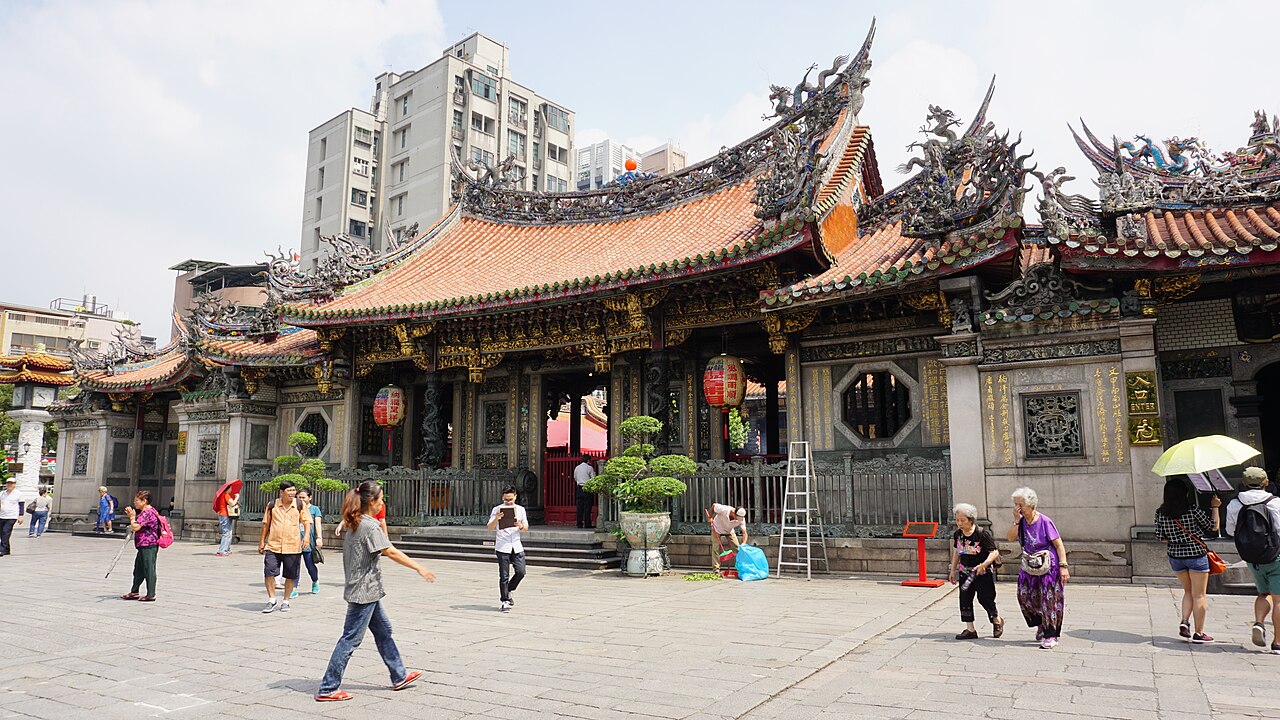
Bangka Lungshan Temple
Taipei (Wanhua) · Taiwan · temple
Taipei's mother Temple to Guanshiyin, founded by Fujian settlers in 1738 in the old Bangka quarter: a front hall to the bodhisattva of compassion and a rear hall of more than a hundred Taoist and folk gods, whose Guanyin statue survived the 1945 bombing intact.
 Buddhism
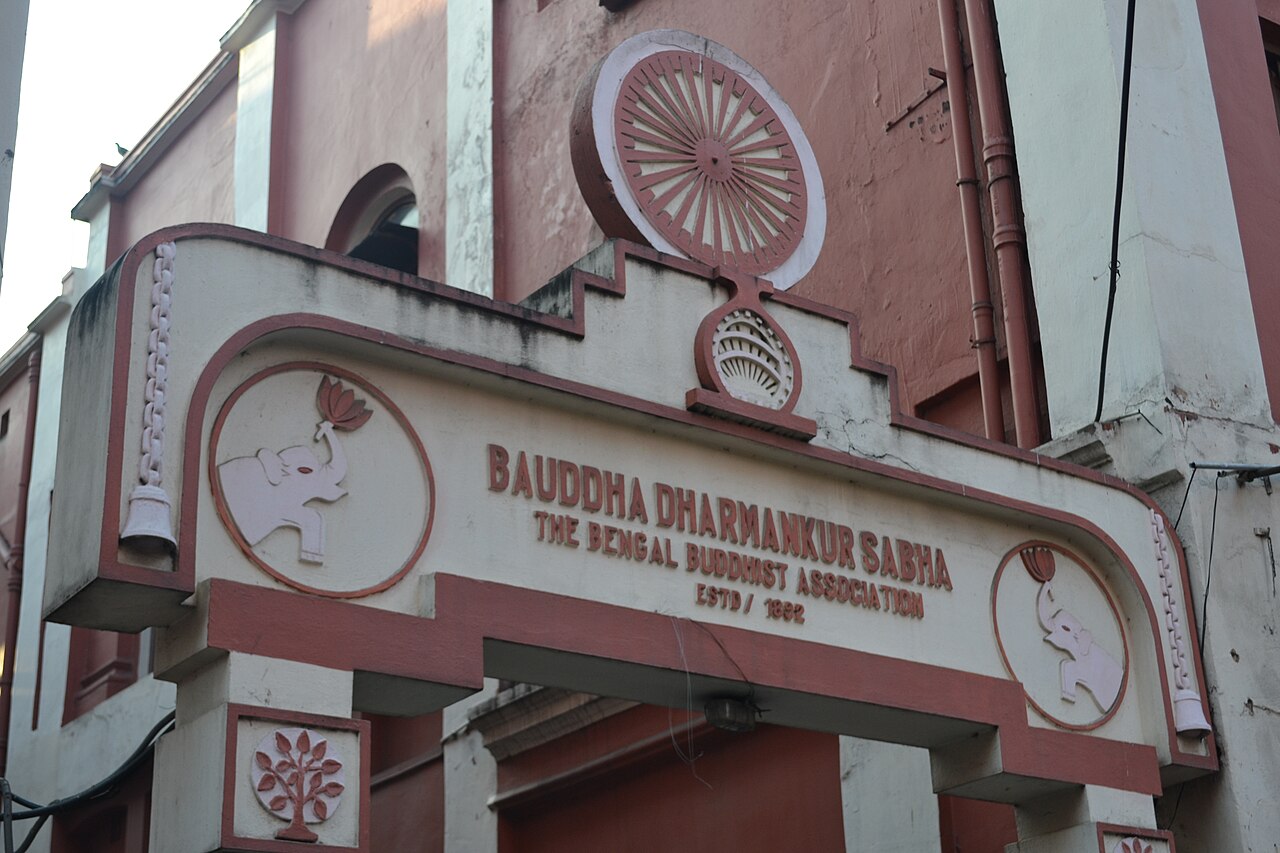
Bengal Buddhist Association
Kolkata · India · monastery
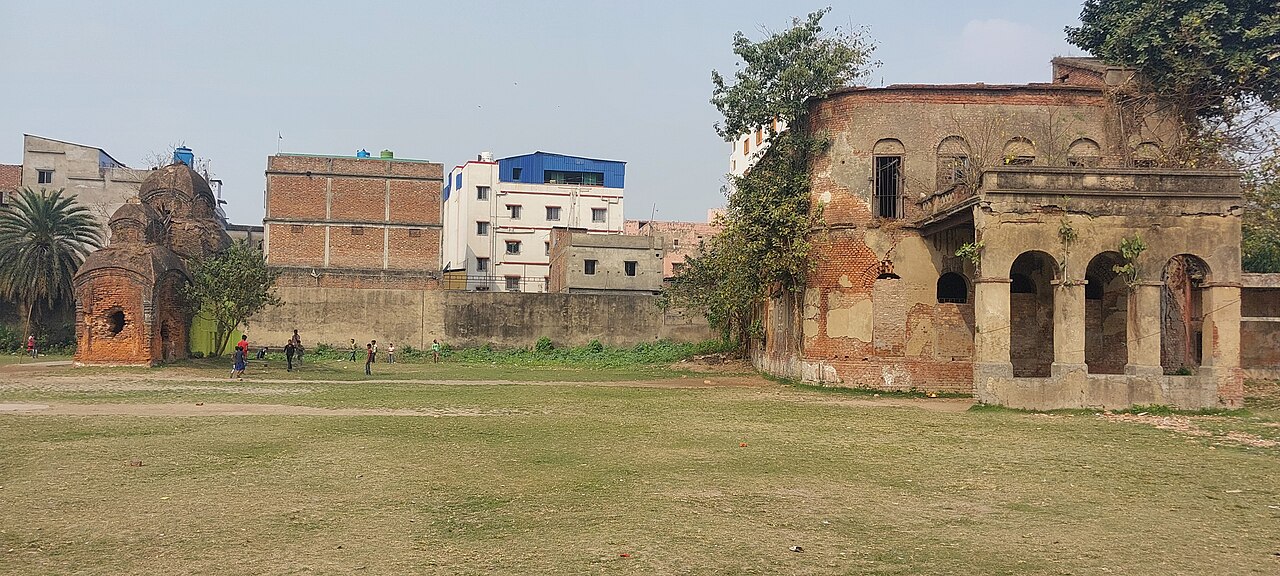
Founded in Kolkata in 1892 by Kripasaran Mahasthavir, the Bengal Buddhist Association, known in Bengali as Bauddha Dharmankur Sabha, raised the Dharmankur Vihara at Bow Barracks in 1903 and has worked for over a century to revive the Dharma in eastern India.
 Buddhism
Bhot Bagan Math
Ghusuri · India · monastery
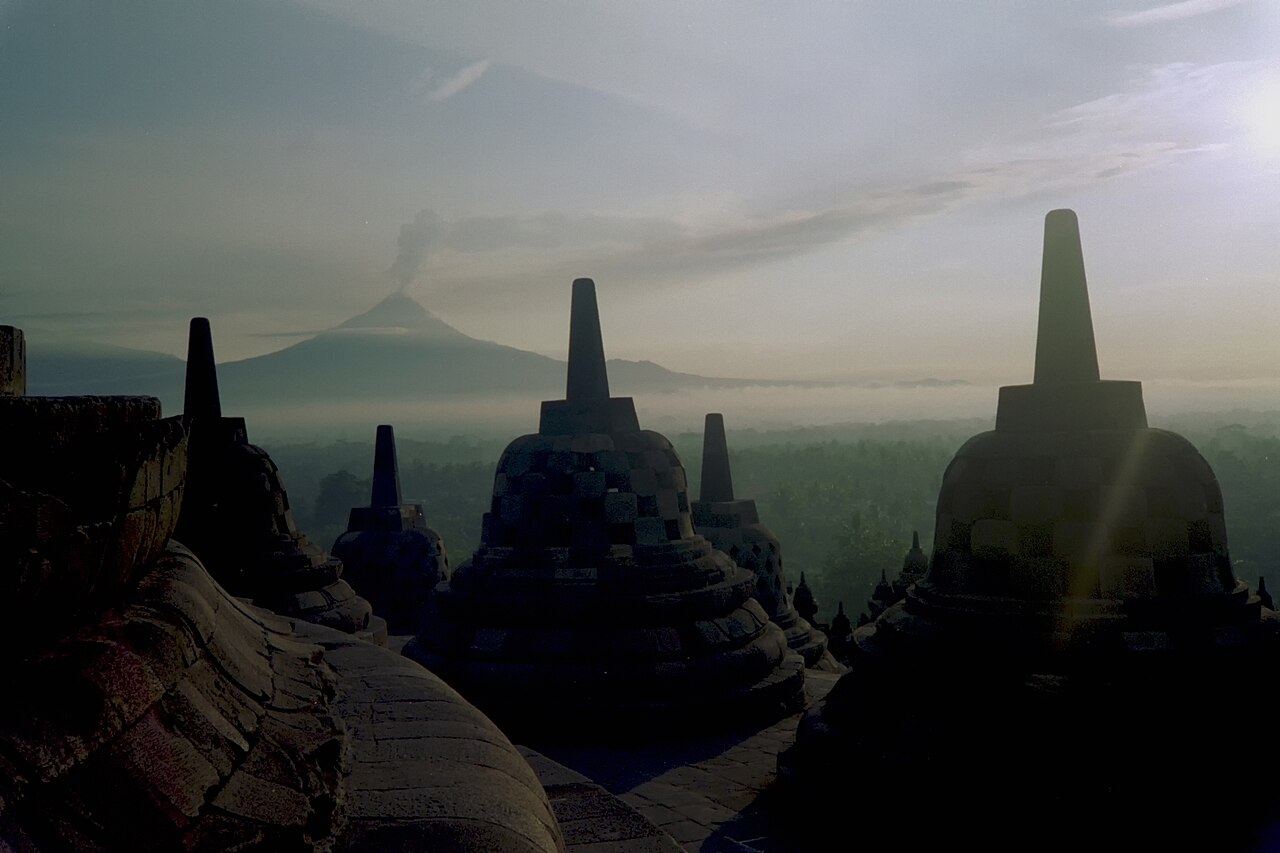
A brick monastery on the Hooghly riverside at Ghusuri, Howrah, founded in 1776 as the first Tibetan Buddhist religious foundation on the plains of India and still known popularly as Mahakal Math for the Tibetan deity images once installed in its sanctum.
 Buddhism
Borobudur
Magelang · Indonesia · temple
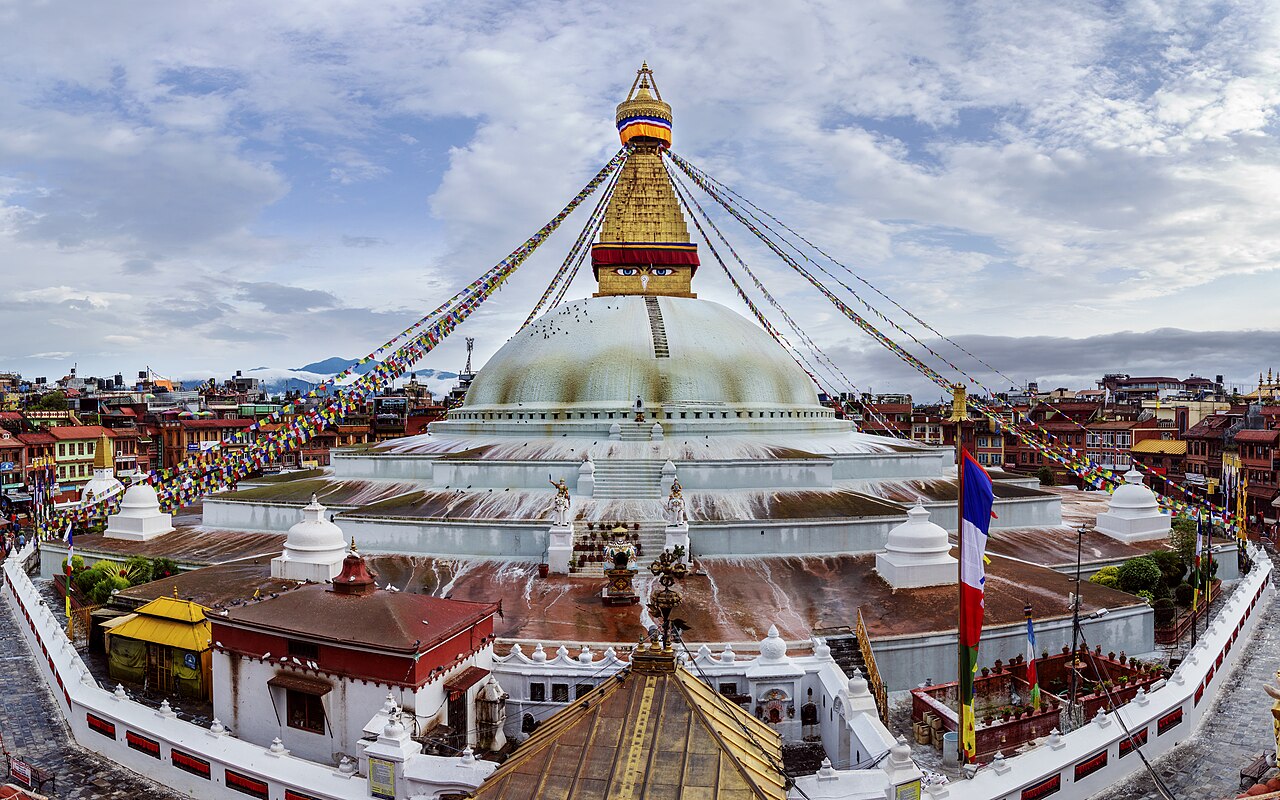
The world's largest Buddhist Temple: a ninth-century mandala in stone on Java's Kedu Plain, nine terraces rising through the three realms to 72 latticed stupas, each sheltering a seated Buddha.
 Buddhism
Boudhanath Stupa
Kathmandu · Nepal · stupa
The largest spherical stupa in Nepal, its all-seeing Buddha eyes watching over the kora walked daily by the Tibetan Buddhist community of Boudha, the heart of Vajrayana practice in the Kathmandu Valley.