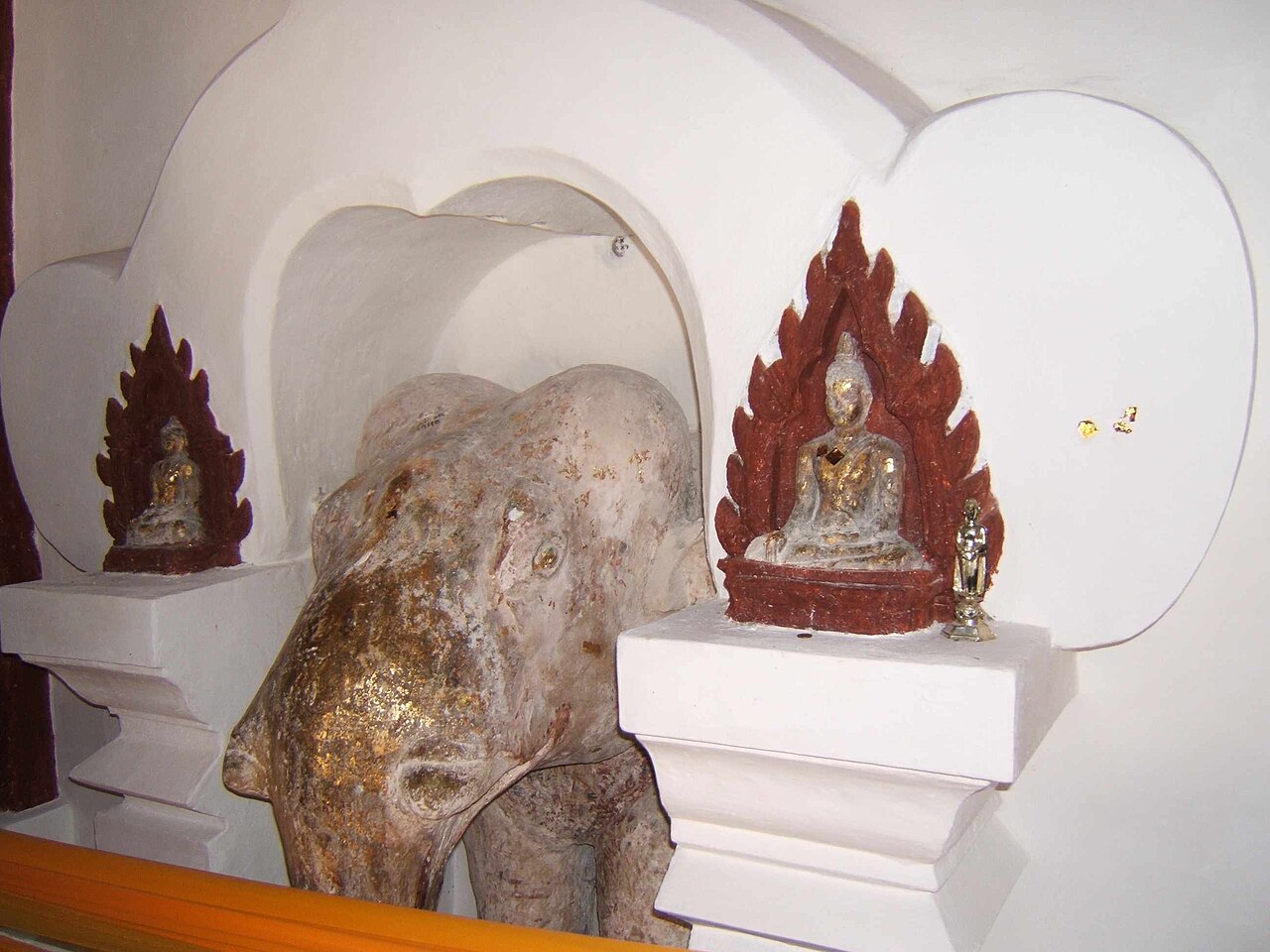
Wat Phra Mahathat
About
Wat Phra Mahathat Woramahawihan stands as the chief Buddhist sanctuary of Nakhon Si Thammarat Province in southern Thailand. Its bell-shaped Phra Borommathat Chedi is among the most revered reliquaries of the Theravada world and is widely believed to hold a tooth of Gautama Buddha.
Legend recounts that Prince Thanakuman and Princess Hem Chala brought the relic to Hat Sai Kaew and raised a small pagoda over it in 291 CE. When King Sri Dhammasokaraja later established the city of Nakhon Si Thammarat, he built a larger Mahayana-style Temple at the same site, in keeping with the Srivijaya kingdom. After epidemic and war emptied the town, the king raised an even greater stupa in Sri Lankan style with the participation of the people.
The chedi's lineage, drawn from Sinhalese Buddhist art, reflects the traditional belief in Ashoka's transmission of the stupa form from India to Sri Lanka, a lineage made explicit in the city's founding ruler taking the name Sri Dhammasokaraja, meaning 'the great Ashoka'.
The principal stupa rises within a rectangular complex of over five hectares, divided between the Buddha-avasa (the sacred zone) and the Sangha-avasa (the monks' quarters). Atop the chedi stands a ten-metre spire of fifty-two rings, gilded with around six hundred kilograms of gold leaf. Between the central stupa and the cloister stand 158 minor chedis holding the ashes of devout Buddhists across the centuries.
History
Tradition places the founding stupa in 291 CE, raised by Prince Thanakuman and Princess Hem Chala to enshrine a tooth-relic of the Buddha. The greater Sri Lankan-style stupa is dated to the early thirteenth century, when King Sri Dhammasokaraja rebuilt the city of Nakhon Si Thammarat with public participation following devastating epidemics and warfare.
The stupa's establishment helped position Nakhon Si Thammarat as a major centre of Theravada Buddhism; inscriptions from the Sukhothai kingdom recall the city's role in transmitting Theravada teachings into the wider Thai world. The Temple received royal patronage throughout the Ayutthaya period, and the precinct has been restored repeatedly, in 1612, 1647, 1732, 1769, 1895, 1914, 1972, 1987, 1994, and 2009. The site was added to a tentative UNESCO World Heritage list in 2012.
Significance
Believed to enshrine a tooth of the Buddha, Wat Phra Mahathat is among the most sacred Theravada pilgrimage destinations in southern Thailand. Its annual Hae Pha Khuen That festival, in which a long cloth is processed up the chedi, remains a touchstone of southern Thai devotional life.
Visiting
Engage with Wat Phra Mahathat
Through the four pathways
Seva सेवा — Service
Offer your time and skills here. The following opportunities are open at Wat Phra Mahathat:
No Seva offerings listed yet.
Sādhana साधना — Practice
Learn the worship and practice associated with Wat Phra Mahathat:
No Sādhana offerings listed yet.
Sandhāna सन्धान — Wisdom
Unite with the wisdom of this tradition:
No Sandhāna offerings listed yet.
Sādhya साध्य — Giving
Support this sacred place according to your means:
No Sādhya offerings listed yet.
All giving flows directly to Wat Phra Mahathat. Adisthan does not take a commission.
Gallery
Related sacred places
 Buddhism
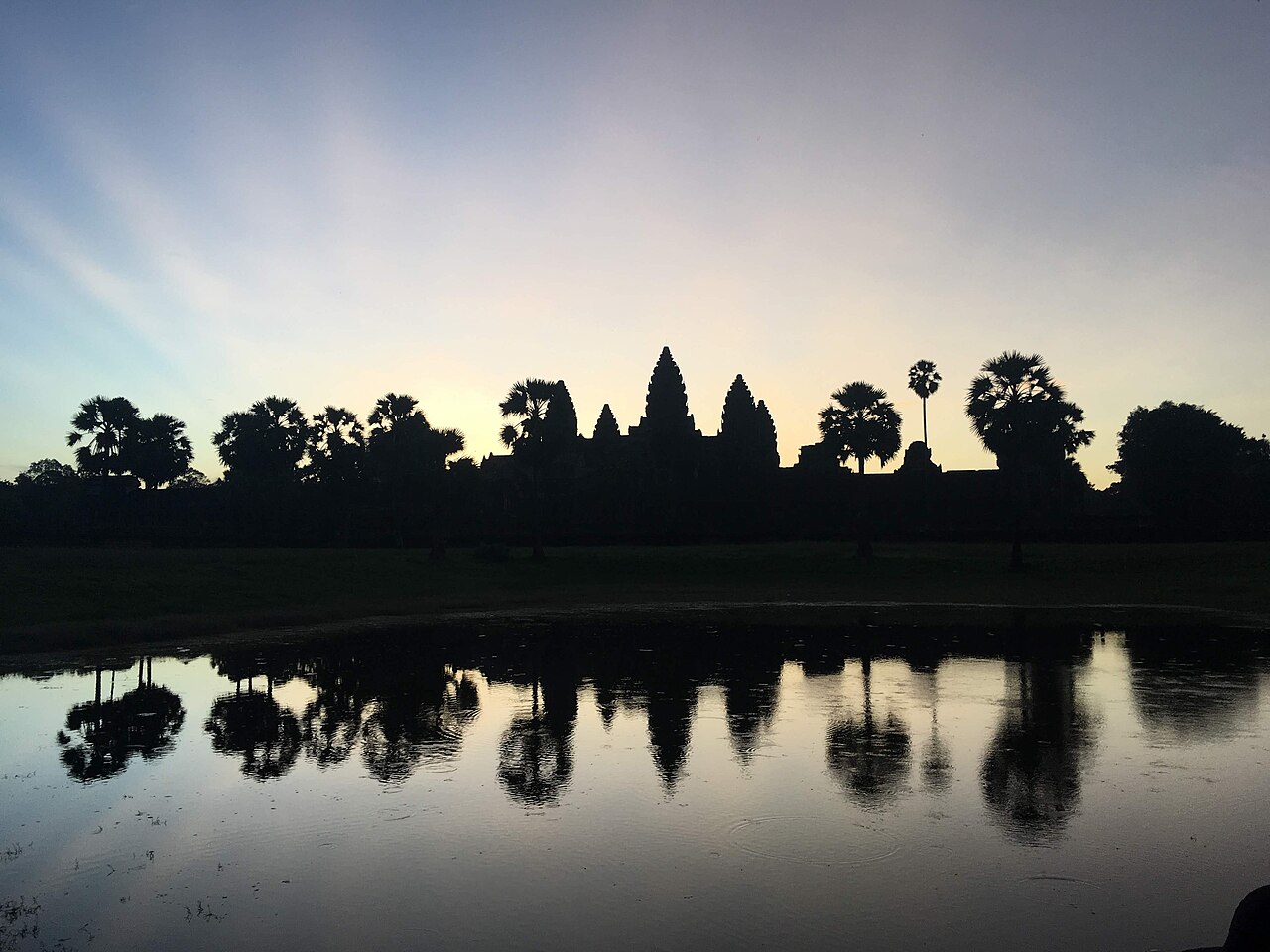
Angkor Wat
Siem Reap · Cambodia · temple
The largest religious monument on earth, built for Lord Vishnu by Suryavarman II in the 12th century and in continuous worship ever since: a living Theravada Buddhist Temple whose five towers stand on the Cambodian flag.
 Buddhism
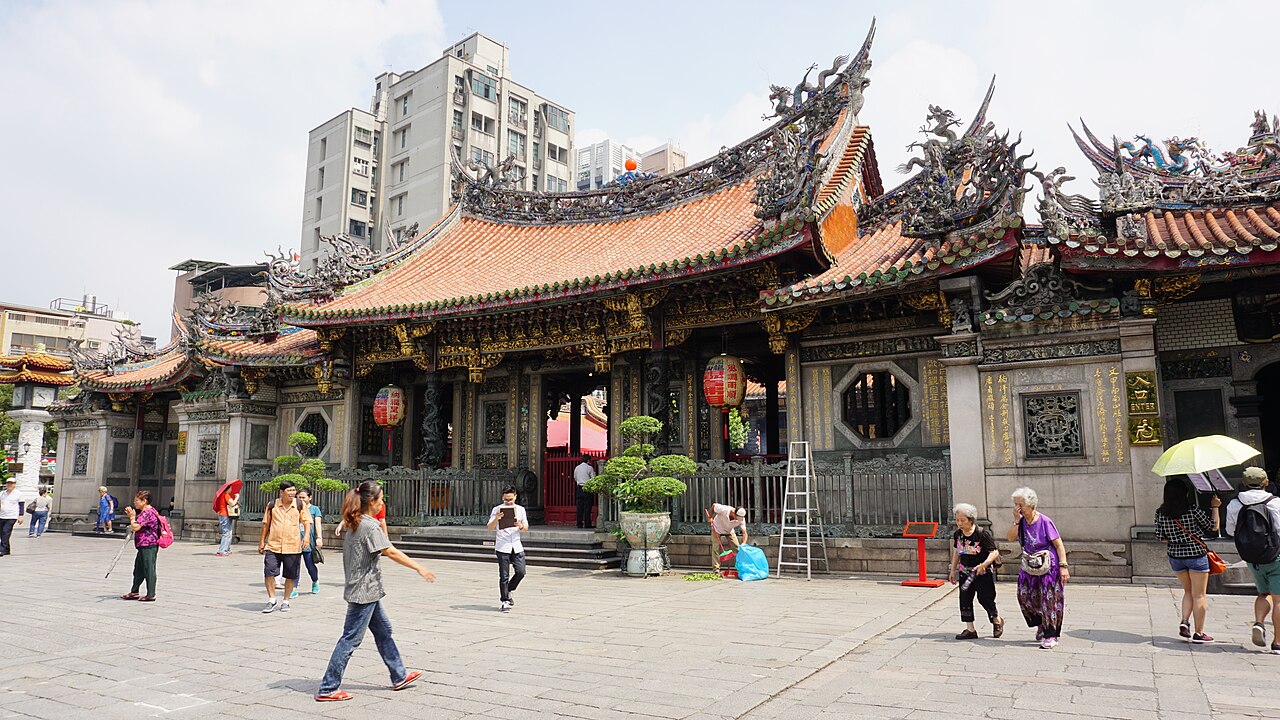
Bangka Lungshan Temple
Taipei (Wanhua) · Taiwan · temple
Taipei's mother Temple to Guanshiyin, founded by Fujian settlers in 1738 in the old Bangka quarter: a front hall to the bodhisattva of compassion and a rear hall of more than a hundred Taoist and folk gods, whose Guanyin statue survived the 1945 bombing intact.
 Buddhism
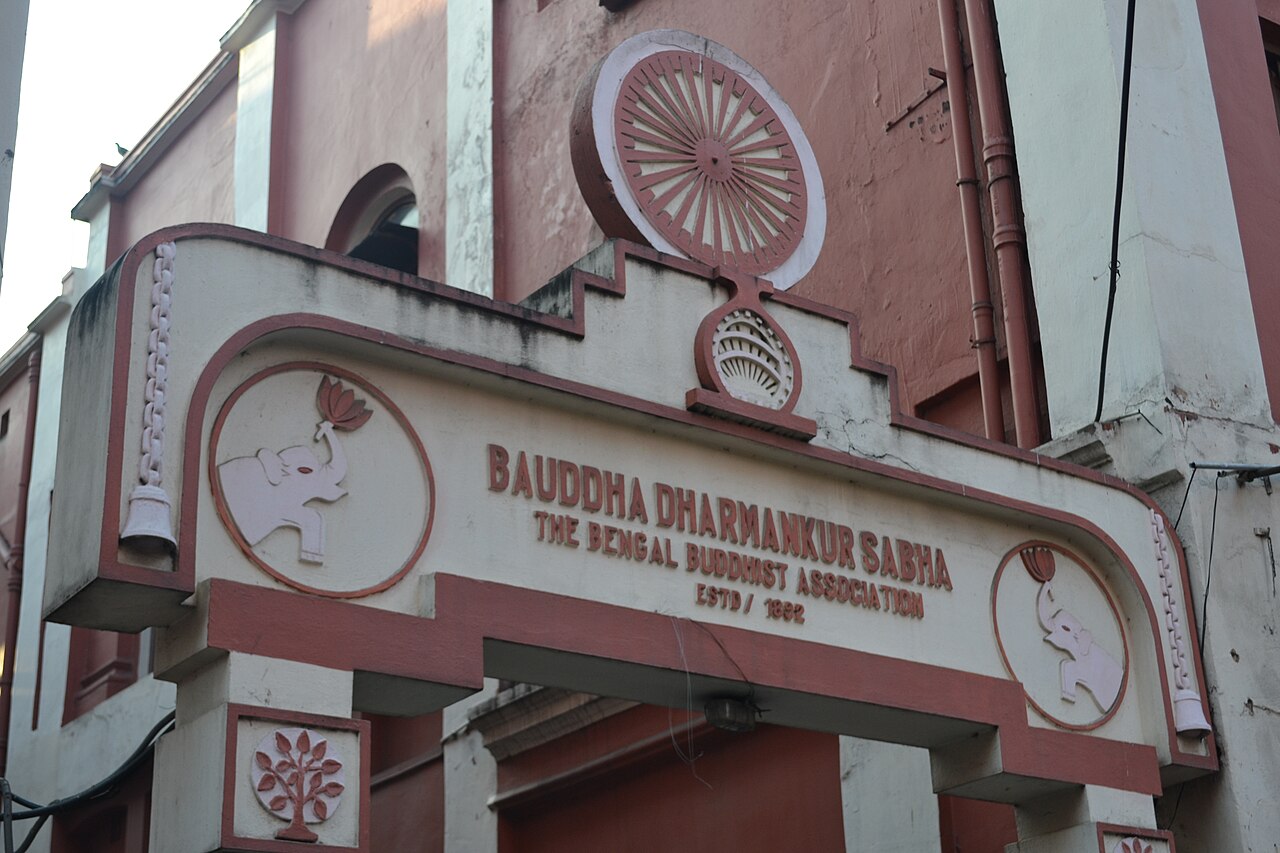
Bengal Buddhist Association
Kolkata · India · monastery
Founded in Kolkata in 1892 by Kripasaran Mahasthavir, the Bengal Buddhist Association, known in Bengali as Bauddha Dharmankur Sabha, raised the Dharmankur Vihara at Bow Barracks in 1903 and has worked for over a century to revive the Dharma in eastern India.
 Buddhism
Bhot Bagan Math
Ghusuri · India · monastery
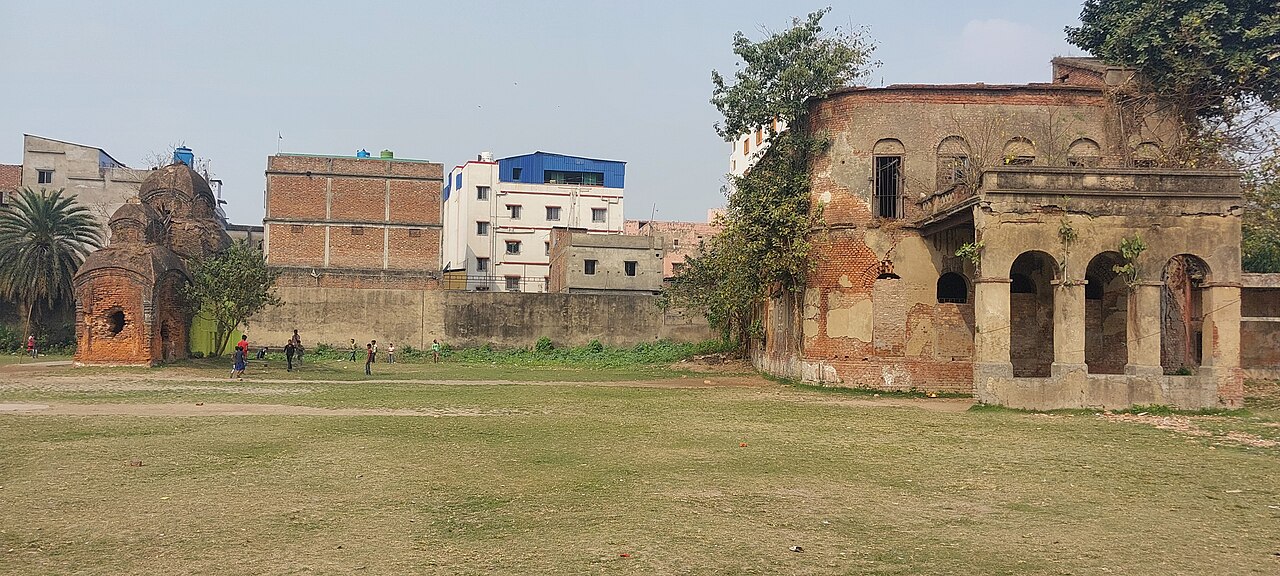
A brick monastery on the Hooghly riverside at Ghusuri, Howrah, founded in 1776 as the first Tibetan Buddhist religious foundation on the plains of India and still known popularly as Mahakal Math for the Tibetan deity images once installed in its sanctum.
 Buddhism
Borobudur
Magelang · Indonesia · temple
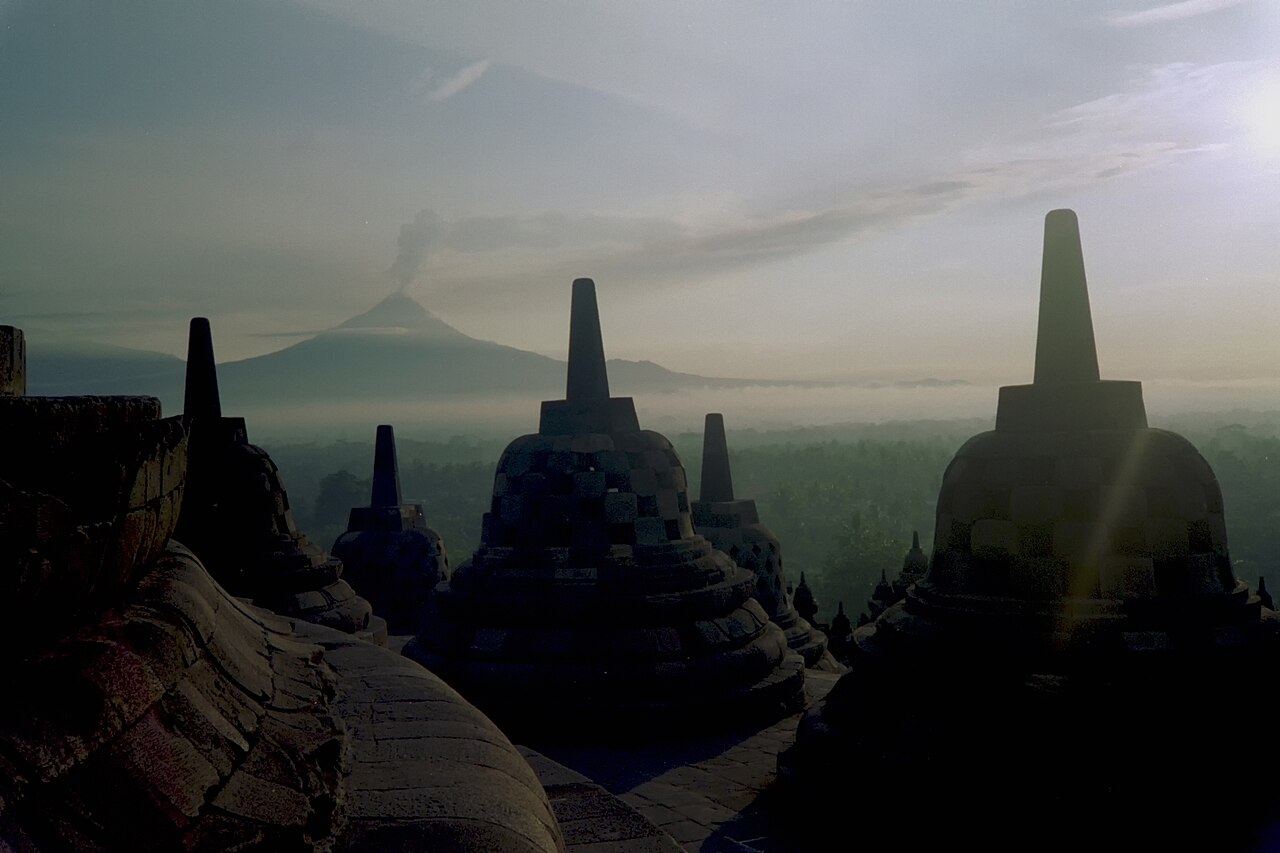
The world's largest Buddhist Temple: a ninth-century mandala in stone on Java's Kedu Plain, nine terraces rising through the three realms to 72 latticed stupas, each sheltering a seated Buddha.
 Buddhism
Boudhanath Stupa
Kathmandu · Nepal · stupa
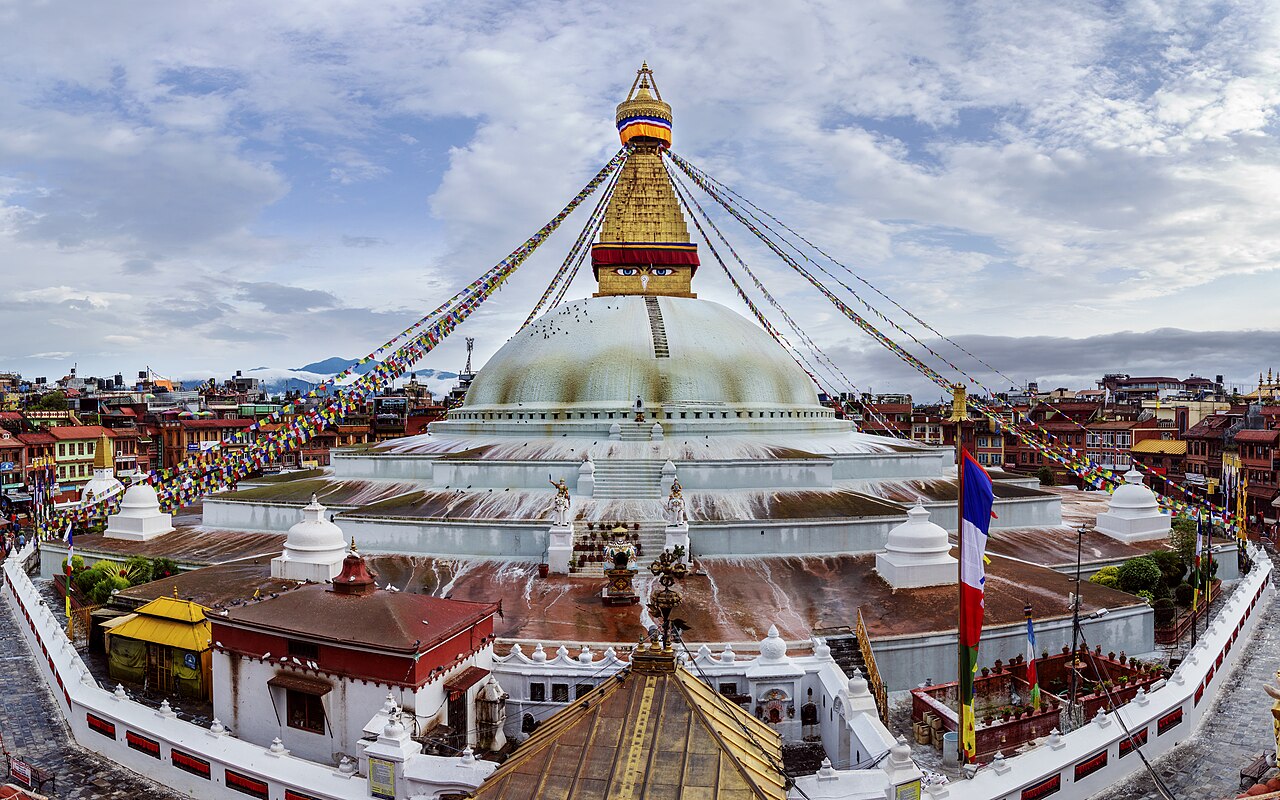
The largest spherical stupa in Nepal, its all-seeing Buddha eyes watching over the kora walked daily by the Tibetan Buddhist community of Boudha, the heart of Vajrayana practice in the Kathmandu Valley.