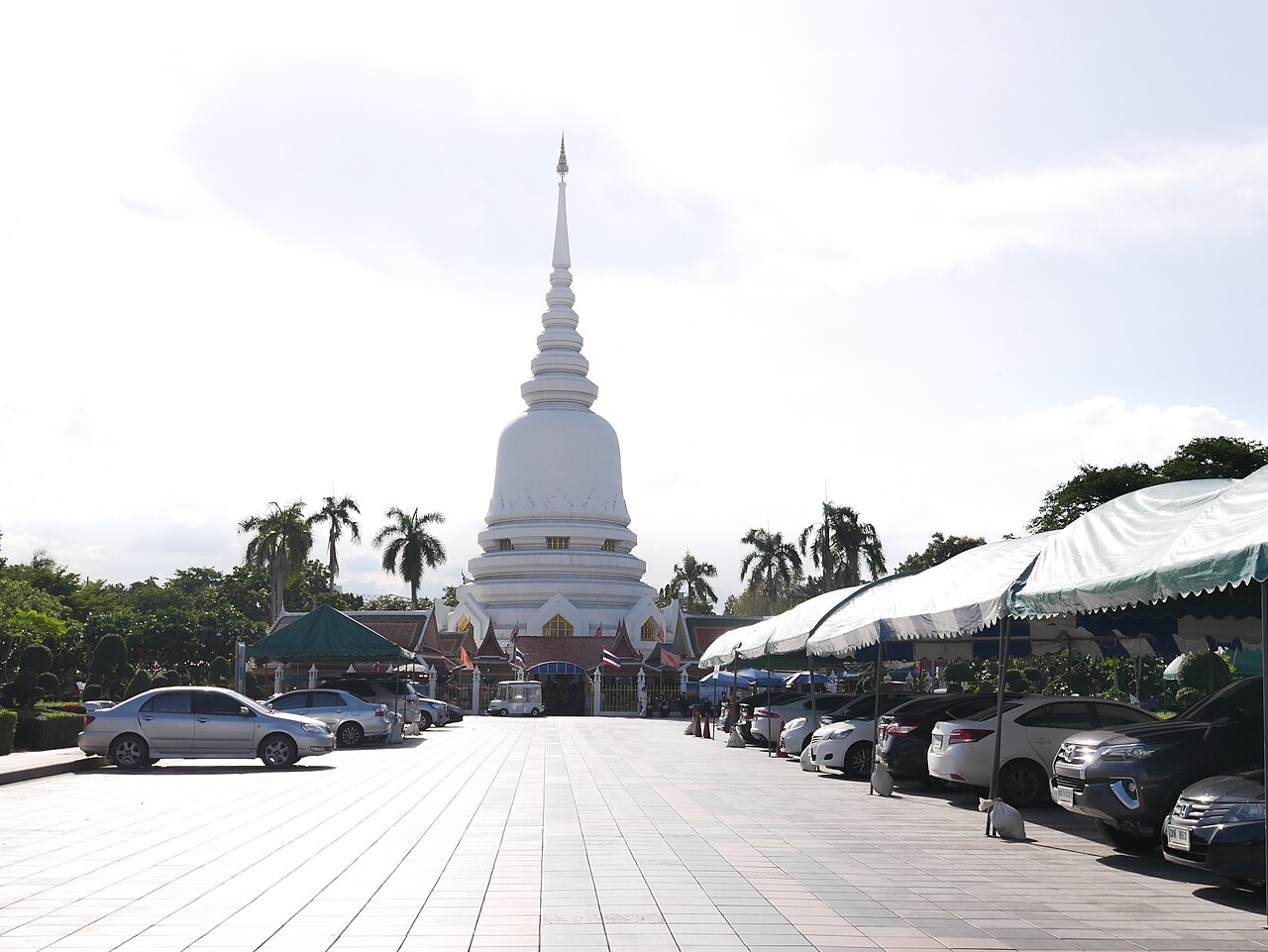
Wat Phra Si Mahathat
About
Wat Phra Si Mahathat Wora Maha Viharn rises in the Bang Khen District of Bangkok, near the Constitution Defense Monument at Lak Si Circle. It holds the status of a first-class royal monastery and is among the most significant Temples in Thailand.
Construction began on 20 March 1941 to commemorate the government's victory over the Boworadet rebellion of 1933. The Temple was the personal initiative of Prime Minister Plaek Phibunsongkhram and was first envisaged under the name Wat Prachathipatai, 'Temple of Democracy', the first Temple to be built by the Thai state after the Siamese Revolution of 1932.
The site itself carried political resonance: it lay close to the place where the Khana Ratsadon's forces had defeated the royalists under Prince Boworadet. The Temple thus served not only to mark a government victory but to embody the People's Party's vision for the new political order.
In 1940, the Minister of Justice Thawan Thamrongnawasawat was sent to British India as a special envoy and returned bearing relics: a piece of the Buddha's relic from the Dharmarajika Stupa at Taxila, along with branches of the Bodhi tree from the Mahabodhi Temple and soil from sacred Buddhist sites. These relics were enshrined within the Temple, which was accordingly renamed Wat Phra Si Mahathat, 'Temple of the Sacred Relics'. Construction was completed on 24 June 1942, the tenth anniversary of the Siamese Revolution.
History
The Temple was conceived after the 1932 revolution as the first religious foundation of the new Thai state, and construction commenced in 1941. Its original name was to be Wat Prachathipatai, the Temple of Democracy, situated near the site of the government's 1933 victory over Prince Boworadet's royalist forces.
After sacred relics were brought from Taxila and Bodh Gaya in 1940, the Temple was renamed Wat Phra Si Mahathat and elevated to first-class royal status in 1941. The completion of the construction on 24 June 1942 coincided precisely with the tenth anniversary of the revolution that had reshaped Siam's political life.
Visiting
Engage with Wat Phra Si Mahathat
Through the four pathways
Seva सेवा — Service
Offer your time and skills here. The following opportunities are open at Wat Phra Si Mahathat:
No Seva offerings listed yet.
Sādhana साधना — Practice
Learn the worship and practice associated with Wat Phra Si Mahathat:
No Sādhana offerings listed yet.
Sandhāna सन्धान — Wisdom
Unite with the wisdom of this tradition:
No Sandhāna offerings listed yet.
Sādhya साध्य — Giving
Support this sacred place according to your means:
No Sādhya offerings listed yet.
All giving flows directly to Wat Phra Si Mahathat. Adisthan does not take a commission.
Gallery
Related sacred places
 Buddhism
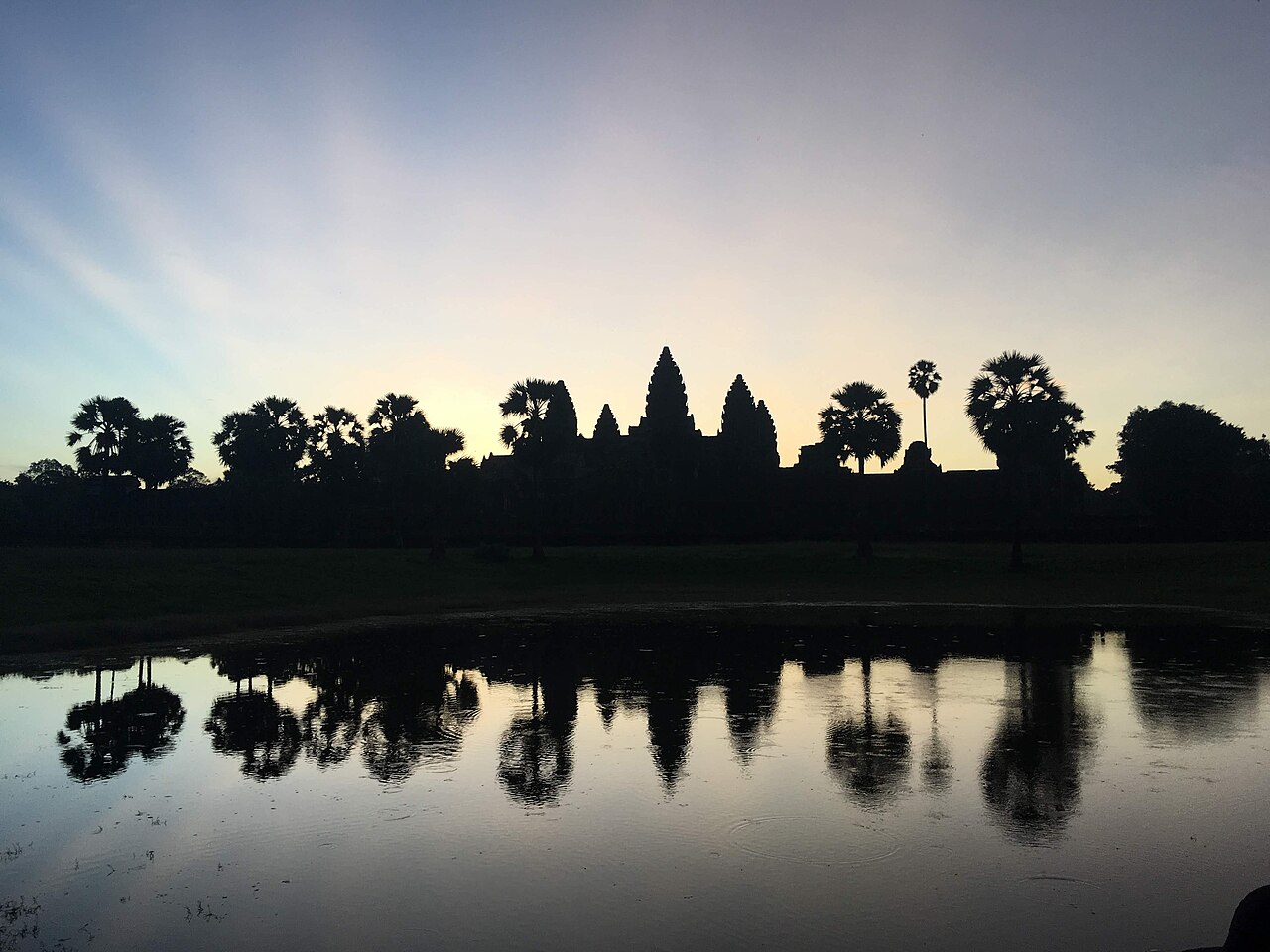
Angkor Wat
Siem Reap · Cambodia · temple
The largest religious monument on earth, built for Lord Vishnu by Suryavarman II in the 12th century and in continuous worship ever since: a living Theravada Buddhist Temple whose five towers stand on the Cambodian flag.
 Buddhism
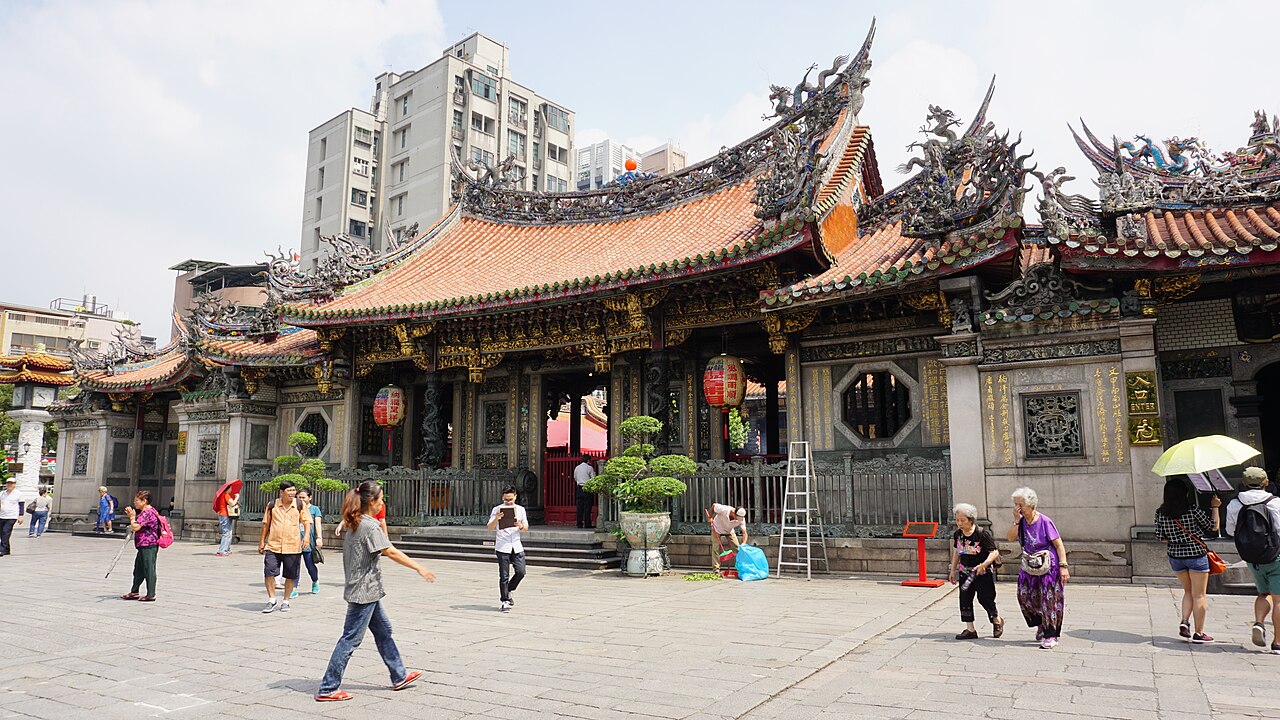
Bangka Lungshan Temple
Taipei (Wanhua) · Taiwan · temple
Taipei's mother Temple to Guanshiyin, founded by Fujian settlers in 1738 in the old Bangka quarter: a front hall to the bodhisattva of compassion and a rear hall of more than a hundred Taoist and folk gods, whose Guanyin statue survived the 1945 bombing intact.
 Buddhism
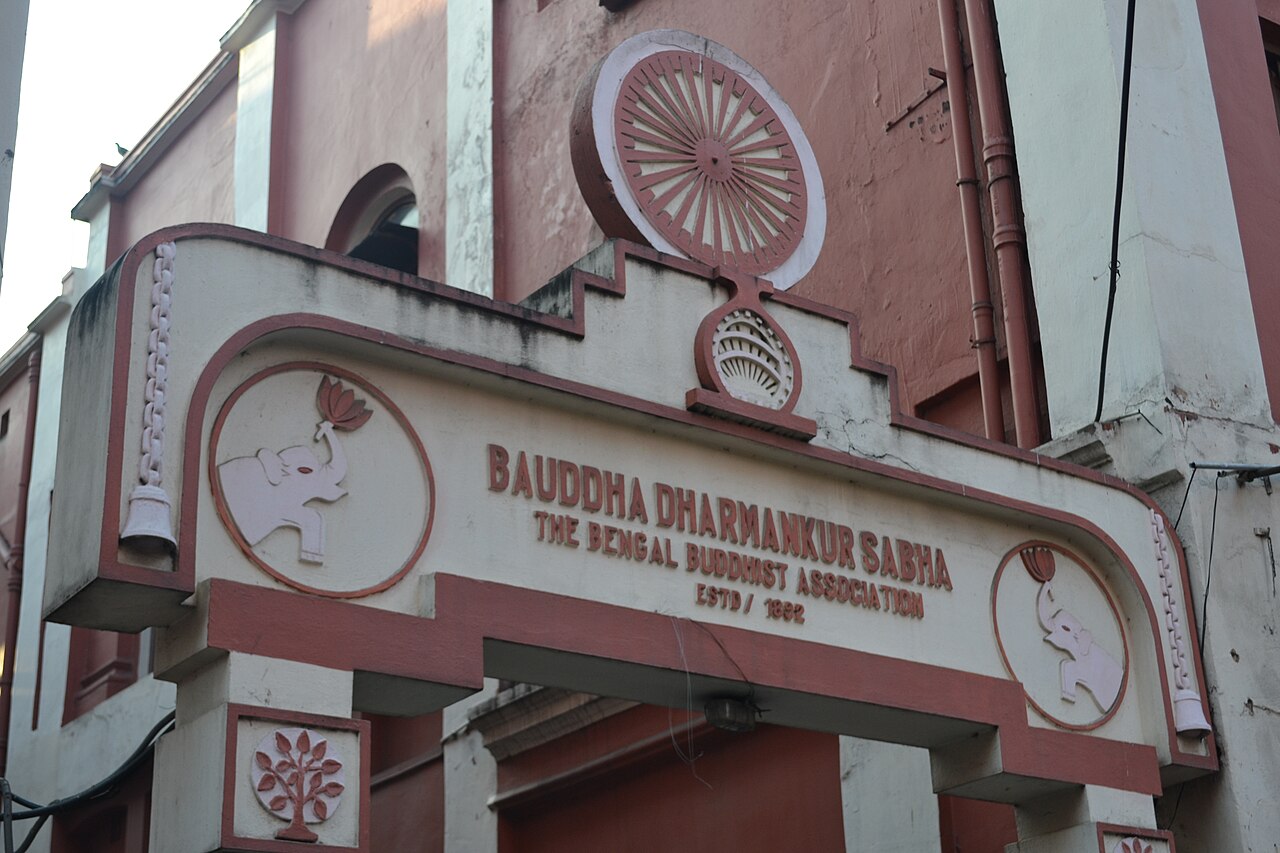
Bengal Buddhist Association
Kolkata · India · monastery
Founded in Kolkata in 1892 by Kripasaran Mahasthavir, the Bengal Buddhist Association, known in Bengali as Bauddha Dharmankur Sabha, raised the Dharmankur Vihara at Bow Barracks in 1903 and has worked for over a century to revive the Dharma in eastern India.
 Buddhism
Bhot Bagan Math
Ghusuri · India · monastery
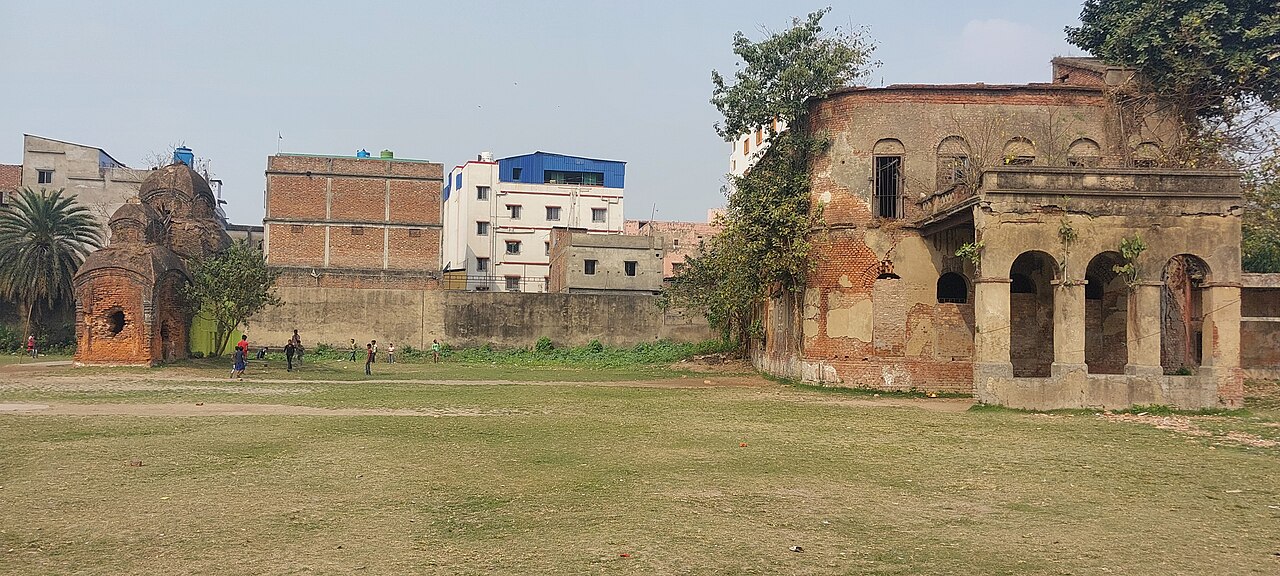
A brick monastery on the Hooghly riverside at Ghusuri, Howrah, founded in 1776 as the first Tibetan Buddhist religious foundation on the plains of India and still known popularly as Mahakal Math for the Tibetan deity images once installed in its sanctum.
 Buddhism
Borobudur
Magelang · Indonesia · temple
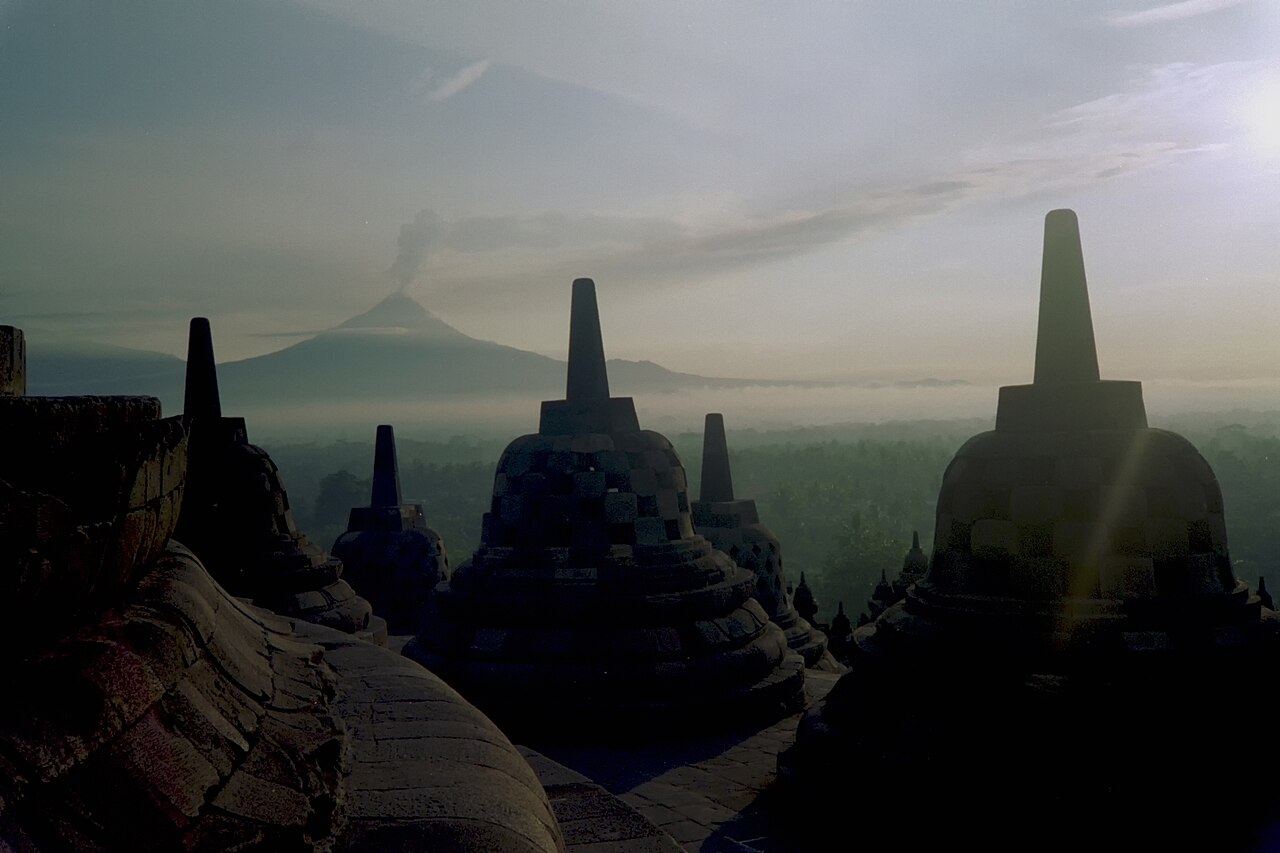
The world's largest Buddhist Temple: a ninth-century mandala in stone on Java's Kedu Plain, nine terraces rising through the three realms to 72 latticed stupas, each sheltering a seated Buddha.
 Buddhism
Boudhanath Stupa
Kathmandu · Nepal · stupa
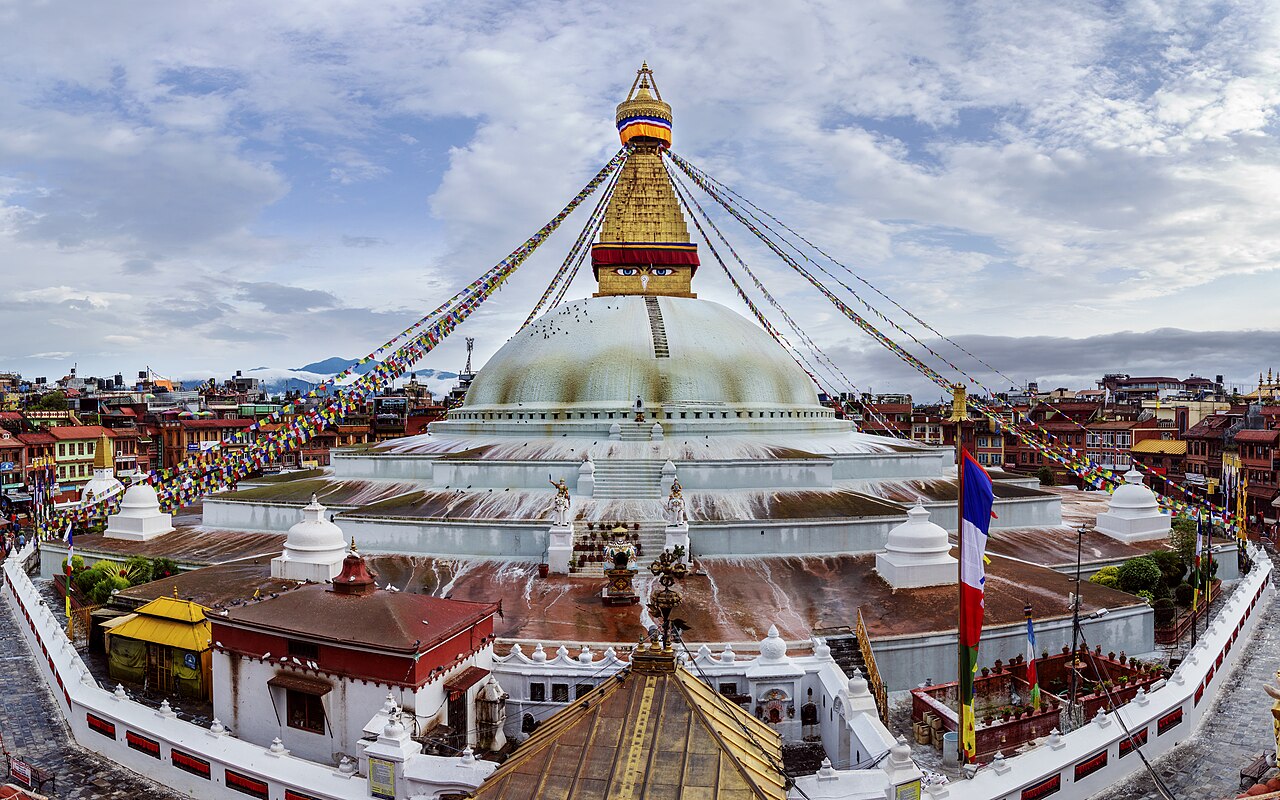
The largest spherical stupa in Nepal, its all-seeing Buddha eyes watching over the kora walked daily by the Tibetan Buddhist community of Boudha, the heart of Vajrayana practice in the Kathmandu Valley.