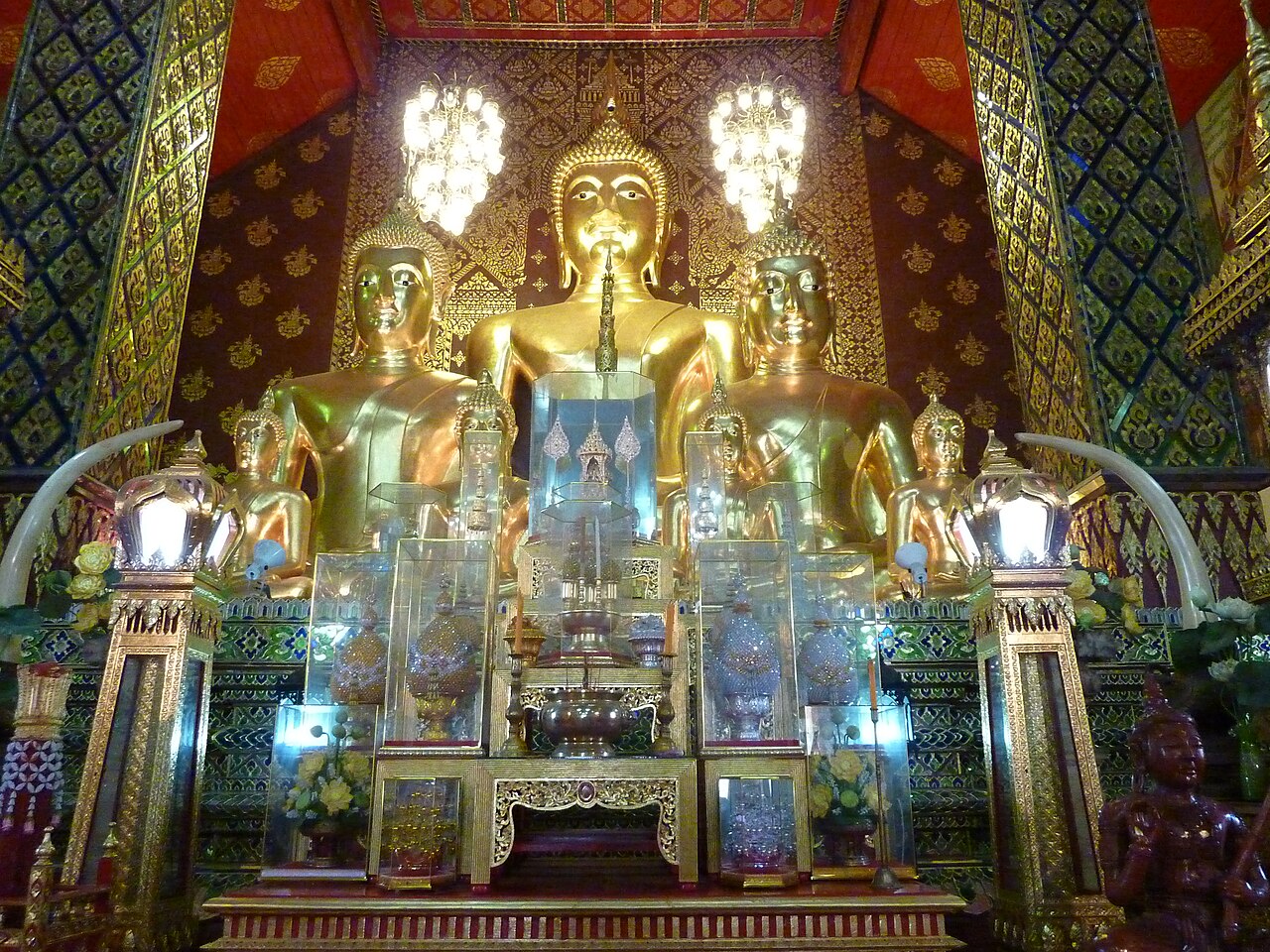
Wat Phra That Hariphunchai
About
Wat Phra That Hariphunchai stands at the centre of Lamphun in northern Thailand, its principal chedi rising in burnished gold over the rooftops of the old town. The Temple's roots stretch back to the eleventh century, while the central stupa descends from a still earlier structure raised in the ninth.
The king of Hariphunchai is said to have built a stupa here in 897 CE to enshrine a hair of the Buddha, the kernel that became the present central chedi. The wider precinct, founded by King Athitayarat, dates from 1044. King Tilokaraja of Lanna undertook a major rebuilding in 1443, while the unusual pyramid-shaped Chedi Suwanna was raised in 1418. In the 1930s, the venerated monk Khru Ba Sriwichai led a further restoration.
The 1443 restoration embellished the bell-shaped chedi with repoussé Buddha images upon bronze sheets fixed to the anda, work of the Lanna Early Classic period. The pyramid-shaped Chedi Suwanna in the northwest corner, forty-six metres high in the Dvaravati style of the Haripunchai period, follows the model of similar stupas at the nearby Wat Chama Thewi. Its image appears on the reverse of the Thai one-satang coin.
The wat's wihan holds a fifteenth-century Lanna Buddha. A nineteenth-century library is approached by a naga-guarded staircase. Close by stands a great bronze gong cast in 1860, said to be the largest in the world. At the southwestern corner, a stone marked with four footprints honours a legend of the Buddha's own visit to the area.
History
The earliest stupa on this site was raised in 897 CE, said to enshrine a hair of the Buddha. The wider sanctuary was founded by Hariphunchai king Athitayarat in 1044. The first major rebuilding came in 1443 under King Tilokaraja of Lanna, who enlarged the central stupa; the pyramid-shaped Chedi Suwanna had been raised earlier, in 1418.
Further renovations followed in the 1930s under the celebrated northern monk Khru Ba Sriwichai, and the wat has remained a central place of northern Thai devotion ever since. A poem of around 720 lines in Northern Thai, Nirat Hariphunchai, recounts a pilgrim's journey from Chiang Mai to worship at this Temple, possibly in 1517 or 1518.
Visiting
Engage with Wat Phra That Hariphunchai
Through the four pathways
Seva सेवा — Service
Offer your time and skills here. The following opportunities are open at Wat Phra That Hariphunchai:
No Seva offerings listed yet.
Sādhana साधना — Practice
Learn the worship and practice associated with Wat Phra That Hariphunchai:
No Sādhana offerings listed yet.
Sandhāna सन्धान — Wisdom
Unite with the wisdom of this tradition:
No Sandhāna offerings listed yet.
Sādhya साध्य — Giving
Support this sacred place according to your means:
No Sādhya offerings listed yet.
All giving flows directly to Wat Phra That Hariphunchai. Adisthan does not take a commission.
Gallery
Related sacred places
 Buddhism
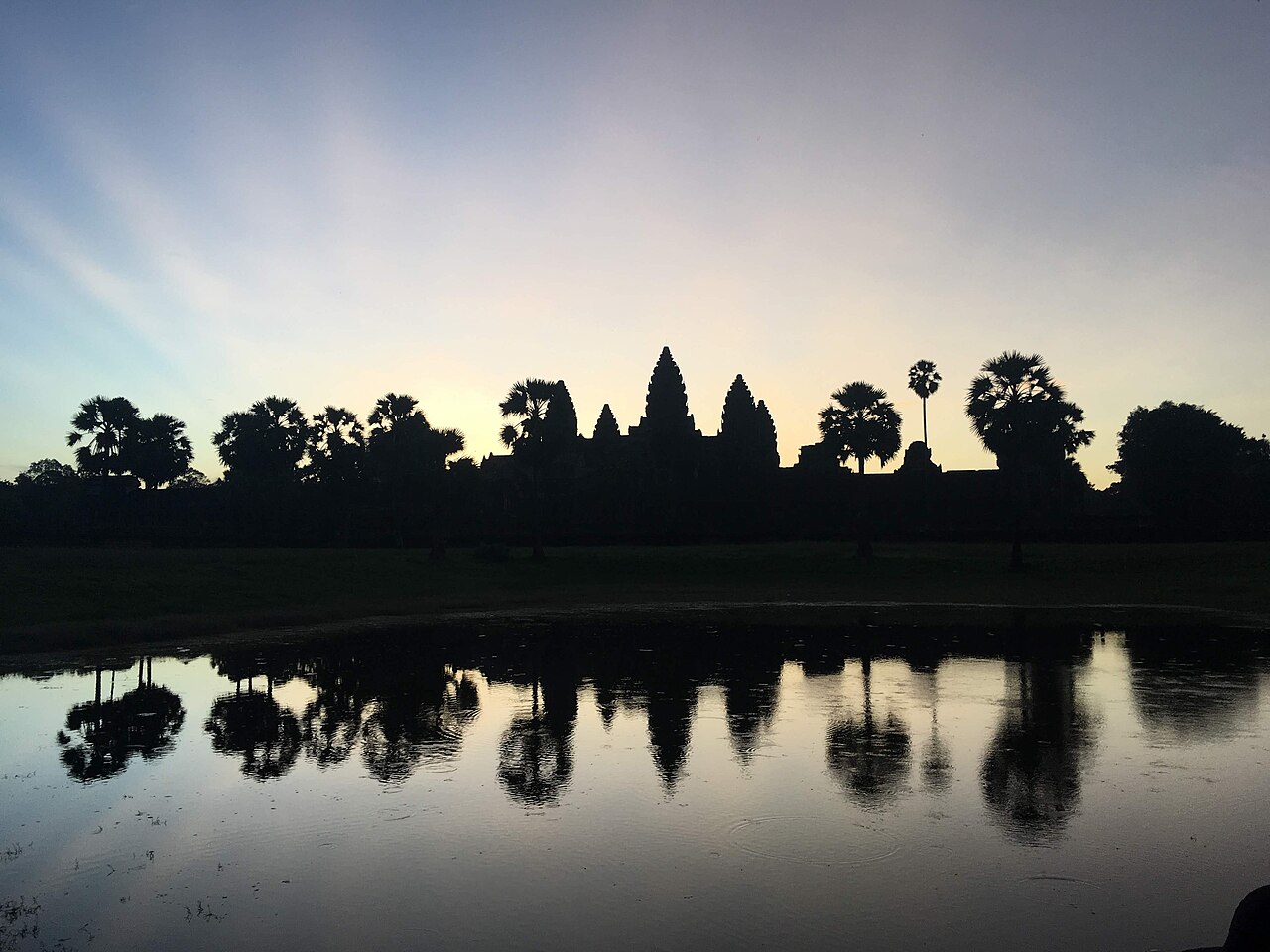
Angkor Wat
Siem Reap · Cambodia · temple
The largest religious monument on earth, built for Lord Vishnu by Suryavarman II in the 12th century and in continuous worship ever since: a living Theravada Buddhist Temple whose five towers stand on the Cambodian flag.
 Buddhism
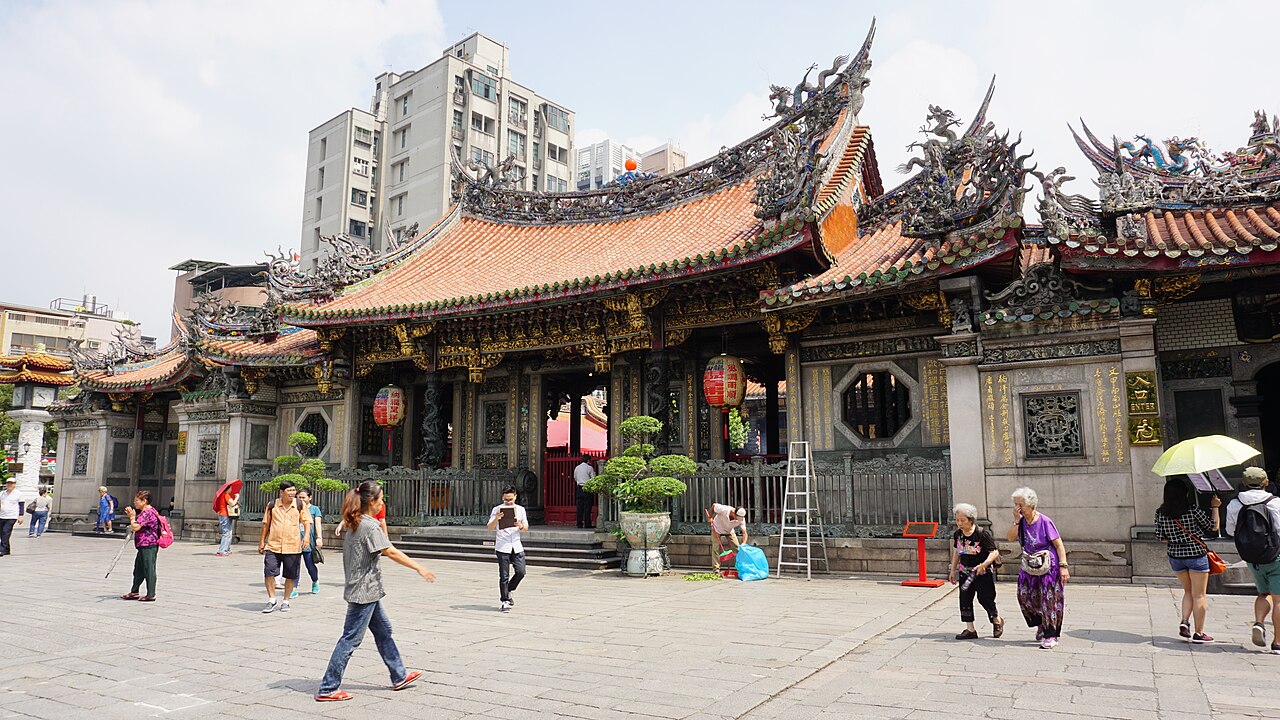
Bangka Lungshan Temple
Taipei (Wanhua) · Taiwan · temple
Taipei's mother Temple to Guanshiyin, founded by Fujian settlers in 1738 in the old Bangka quarter: a front hall to the bodhisattva of compassion and a rear hall of more than a hundred Taoist and folk gods, whose Guanyin statue survived the 1945 bombing intact.
 Buddhism
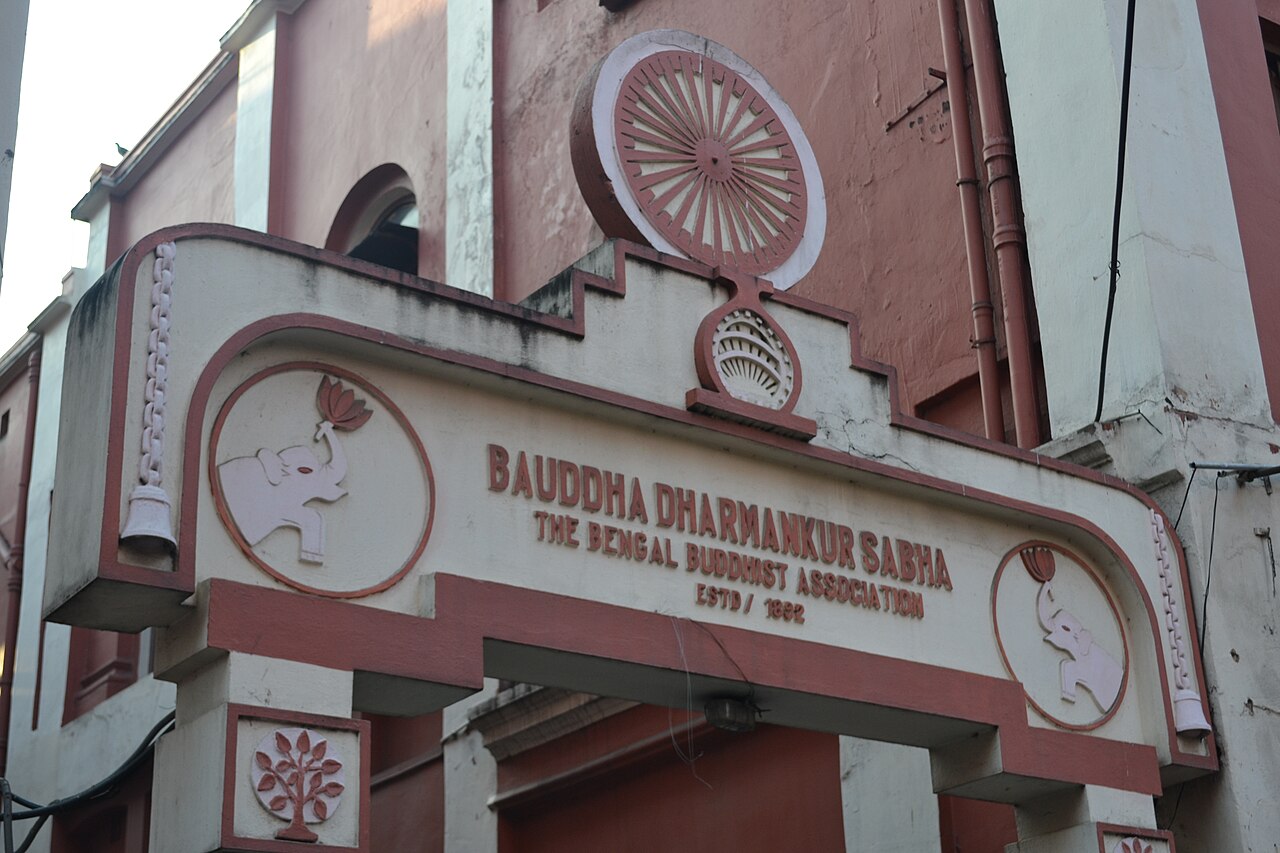
Bengal Buddhist Association
Kolkata · India · monastery
Founded in Kolkata in 1892 by Kripasaran Mahasthavir, the Bengal Buddhist Association, known in Bengali as Bauddha Dharmankur Sabha, raised the Dharmankur Vihara at Bow Barracks in 1903 and has worked for over a century to revive the Dharma in eastern India.
 Buddhism
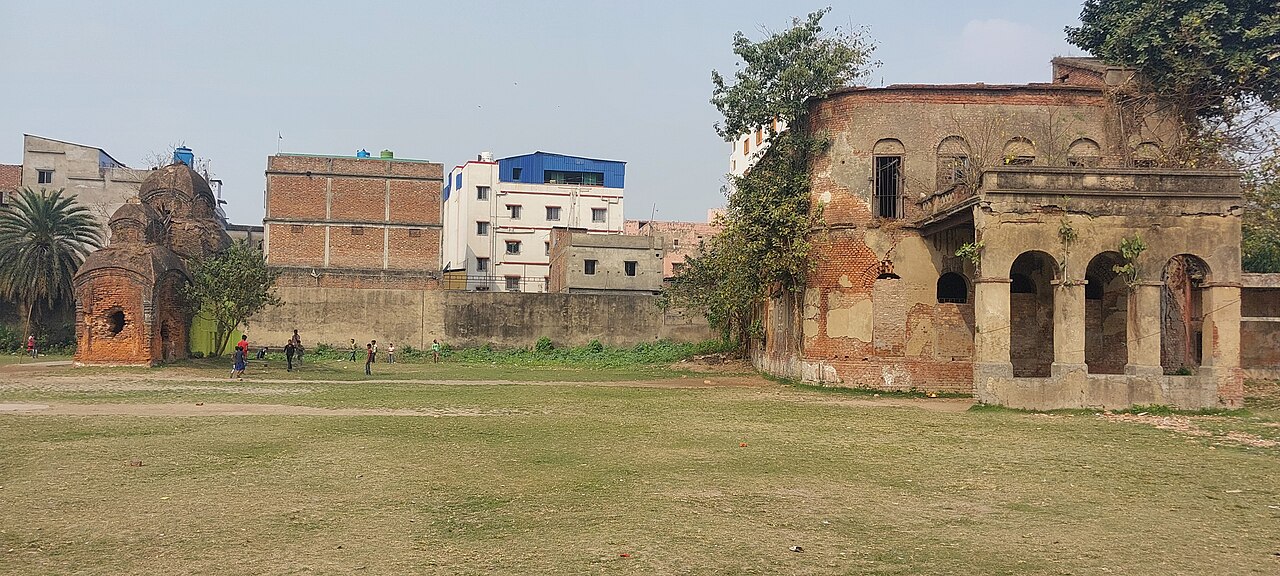
Bhot Bagan Math
Ghusuri · India · monastery
A brick monastery on the Hooghly riverside at Ghusuri, Howrah, founded in 1776 as the first Tibetan Buddhist religious foundation on the plains of India and still known popularly as Mahakal Math for the Tibetan deity images once installed in its sanctum.
 Buddhism
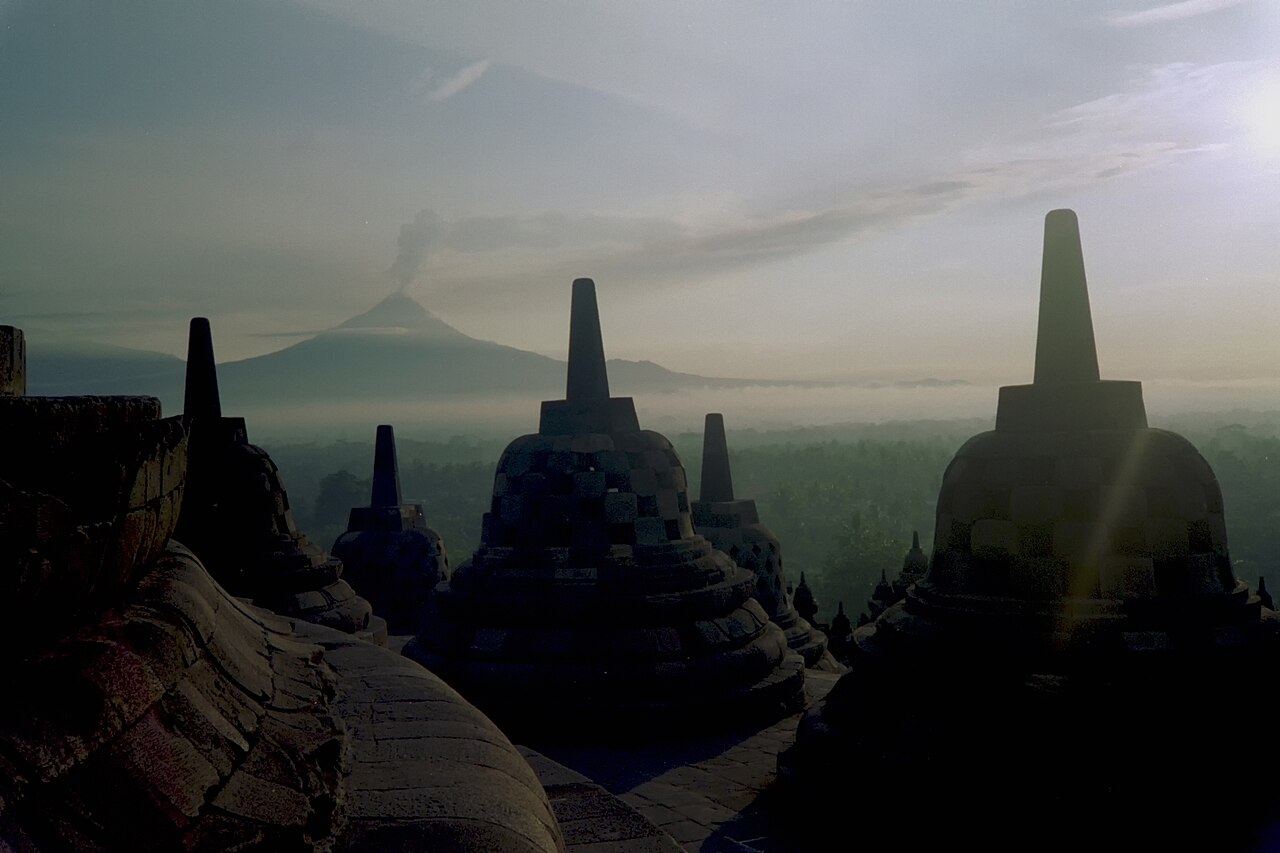
Borobudur
Magelang · Indonesia · temple
The world's largest Buddhist Temple: a ninth-century mandala in stone on Java's Kedu Plain, nine terraces rising through the three realms to 72 latticed stupas, each sheltering a seated Buddha.
 Buddhism
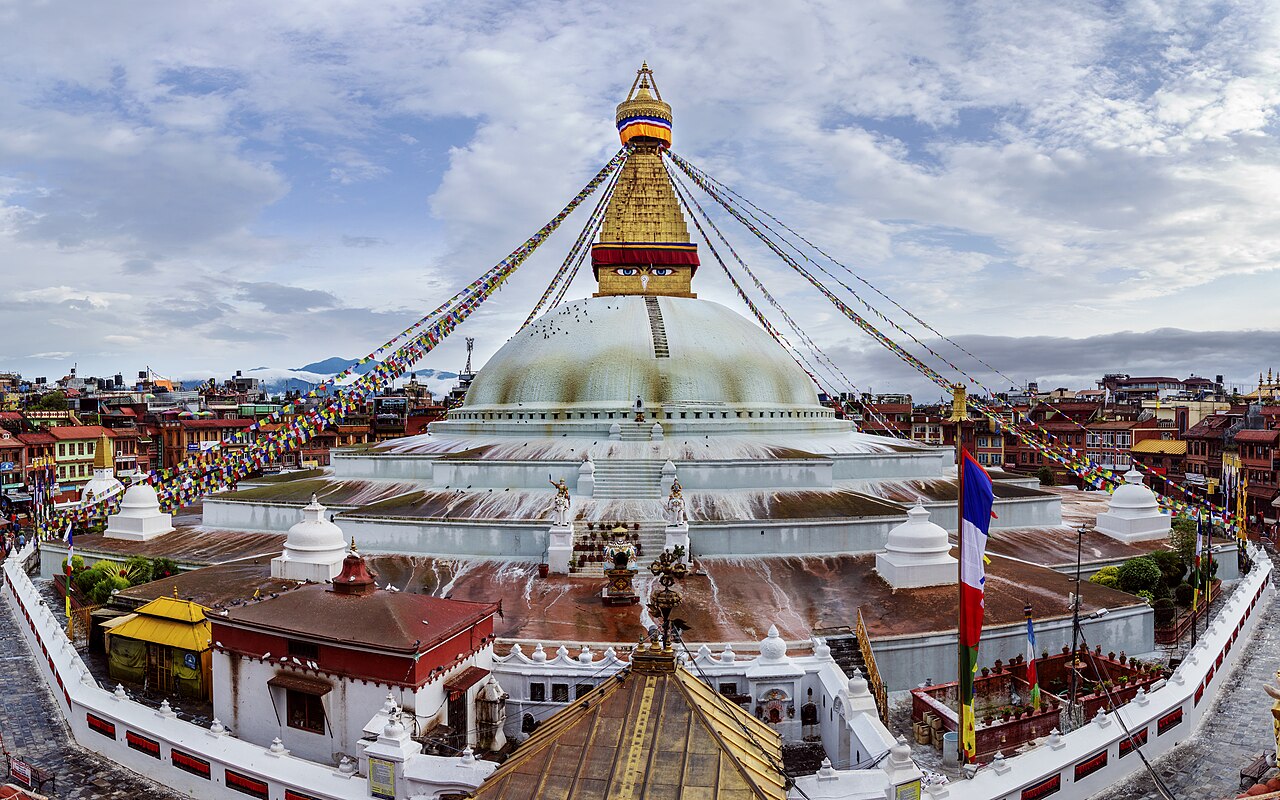
Boudhanath Stupa
Kathmandu · Nepal · stupa
The largest spherical stupa in Nepal, its all-seeing Buddha eyes watching over the kora walked daily by the Tibetan Buddhist community of Boudha, the heart of Vajrayana practice in the Kathmandu Valley.