Wat Ratchapradit
About
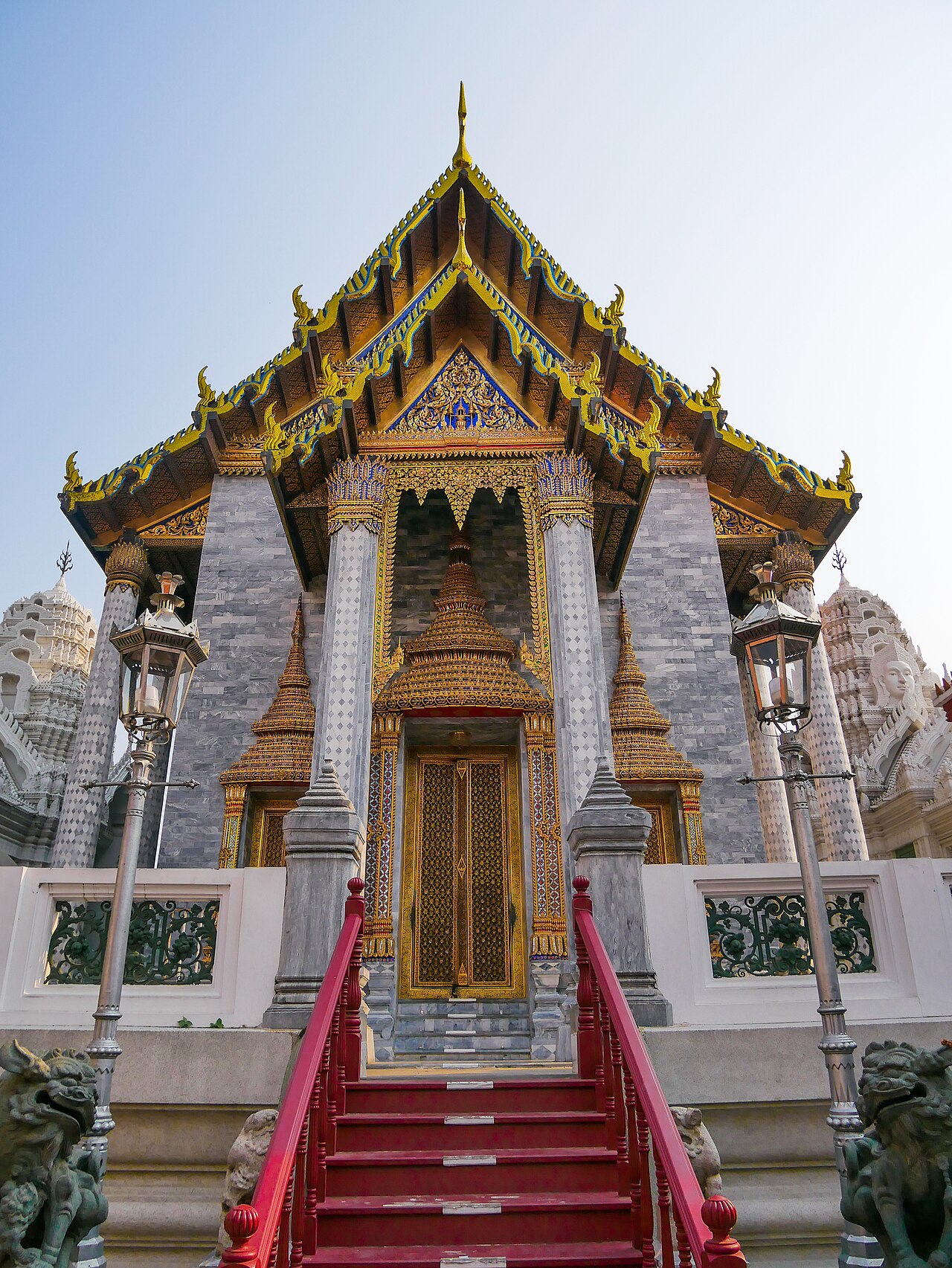
Wat Ratchapradit Sathit Mahasimaram Ratcha Wora Maha Viharn rises on Rachini Road in Bangkok's Phra Nakhon District, just a step from the Grand Palace. The wat was elevated to first-class royal status in 1915.
The land had been designated a coffee plantation under King Nangklao. After his death, King Mongkut chose to raise a Temple here instead: Ayutthaya had been graced with three great wats, Wat Mahathat, Wat Ratchaburana, and Wat Rachapradit, yet only two of those names had been re-established in Bangkok. Wat Rachapradit was to complete the triad.
When the ground proved too soft for ordinary foundations, the king devised a memorable solution: a public Thai dance performance was hosted on the site, with admission set at one empty garlic jar per audience member. The jars were used by the royal workmen as the foundation of the principal hall. Construction began in 1864 and was completed seven months later. The king appointed Sa Pussadeva of Wat Bowonniwet as the first abbot, and the Temple became the first home of the Dhammayuttika Nikaya.
The principal structure, the Phra Viharn Luang, serves as both vihara and ordination hall. Raised on a platform clad in grey marble, its pediment bears a golden royal crown on a blue glass field, the emblem of King Mongkut. Inside, murals from the reign of Chulalongkorn depict the royal festivals of the twelve months, and beneath the main Buddha image rest the ashes of King Mongkut.
History
The Temple was raised between 1864 and the months that followed, on a site that King Mongkut had specifically chosen to complete a trio of historic Temple names, Wat Mahathat, Wat Ratchaburana, and Wat Rachapradit, that had once graced the kingdom of Ayutthaya. Its construction began on land previously designated a royal coffee plantation under his predecessor.
Sa Pussadeva, brought from Wat Bowonniwet Vihara, was installed as the Temple's first abbot, and from him the wat became the founding home of the Dhammayuttika Nikaya. He was later raised to the position of Supreme Patriarch by King Chulalongkorn in 1893. The wat received its first-class royal status in 1915.
Visiting
Engage with Wat Ratchapradit
Through the four pathways
Seva सेवा — Service
Offer your time and skills here. The following opportunities are open at Wat Ratchapradit:
No Seva offerings listed yet.
Sādhana साधना — Practice
Learn the worship and practice associated with Wat Ratchapradit:
No Sādhana offerings listed yet.
Sandhāna सन्धान — Wisdom
Unite with the wisdom of this tradition:
No Sandhāna offerings listed yet.
Sādhya साध्य — Giving
Support this sacred place according to your means:
No Sādhya offerings listed yet.
All giving flows directly to Wat Ratchapradit. Adisthan does not take a commission.
Gallery
Related sacred places
 Buddhism
Angkor Wat
Siem Reap · Cambodia · temple
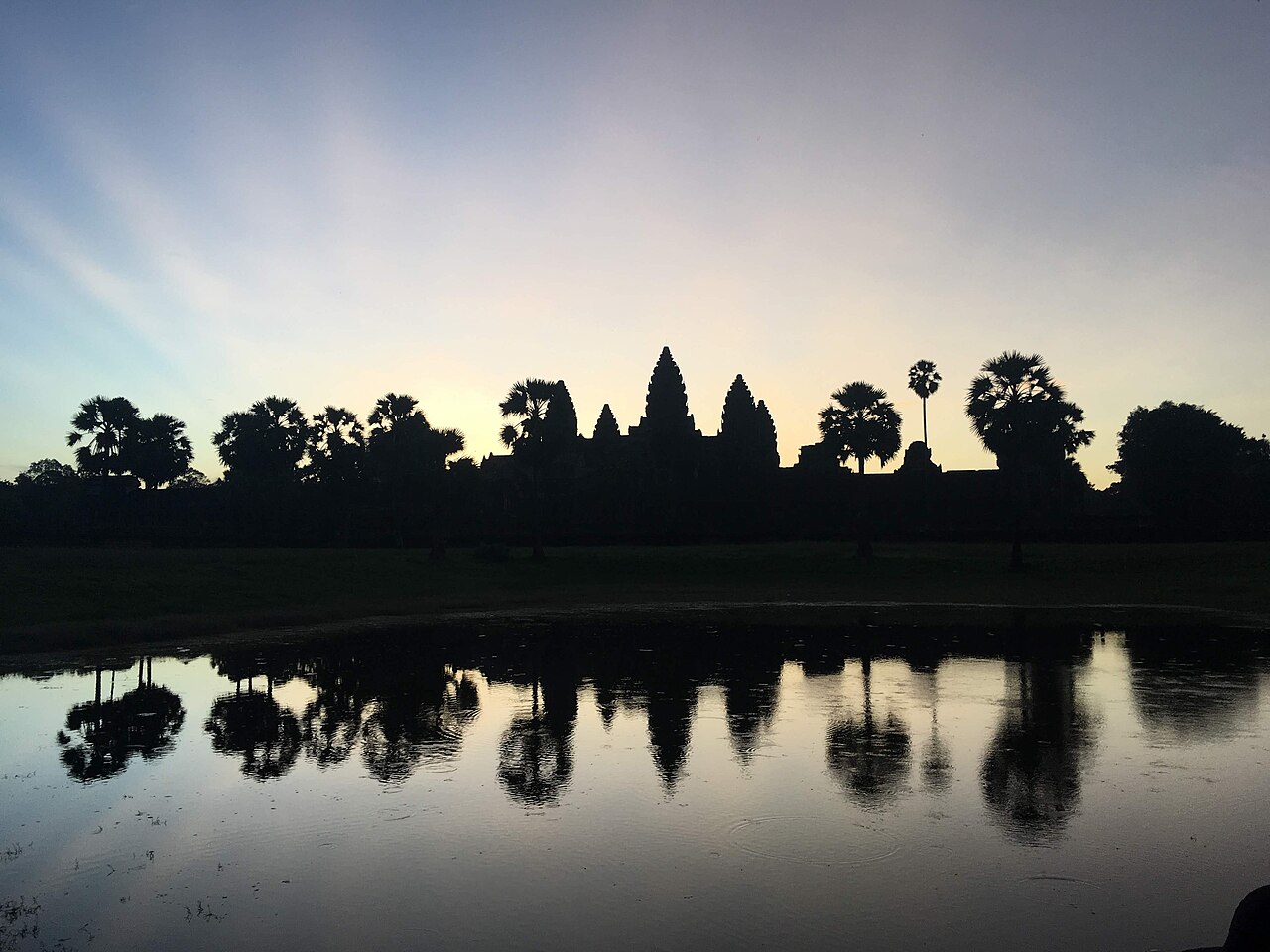
The largest religious monument on earth, built for Lord Vishnu by Suryavarman II in the 12th century and in continuous worship ever since: a living Theravada Buddhist Temple whose five towers stand on the Cambodian flag.
 Buddhism
Bangka Lungshan Temple
Taipei (Wanhua) · Taiwan · temple
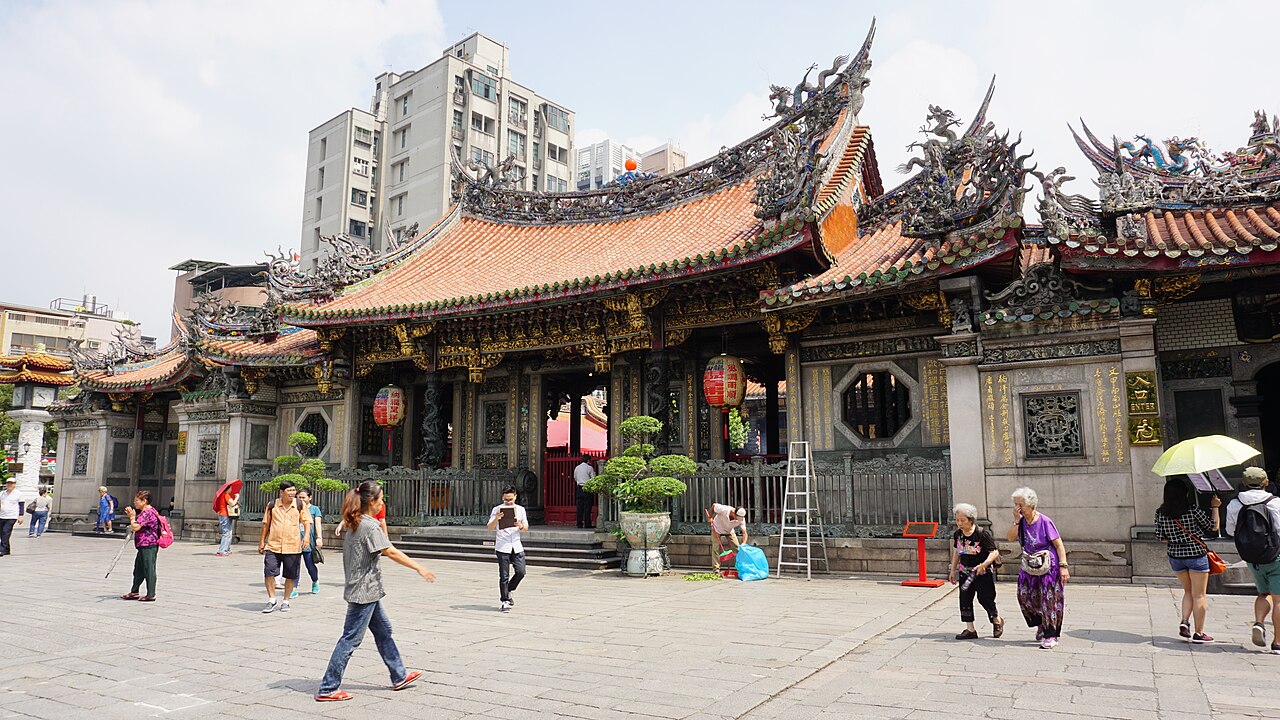
Taipei's mother Temple to Guanshiyin, founded by Fujian settlers in 1738 in the old Bangka quarter: a front hall to the bodhisattva of compassion and a rear hall of more than a hundred Taoist and folk gods, whose Guanyin statue survived the 1945 bombing intact.
 Buddhism
Bengal Buddhist Association
Kolkata · India · monastery
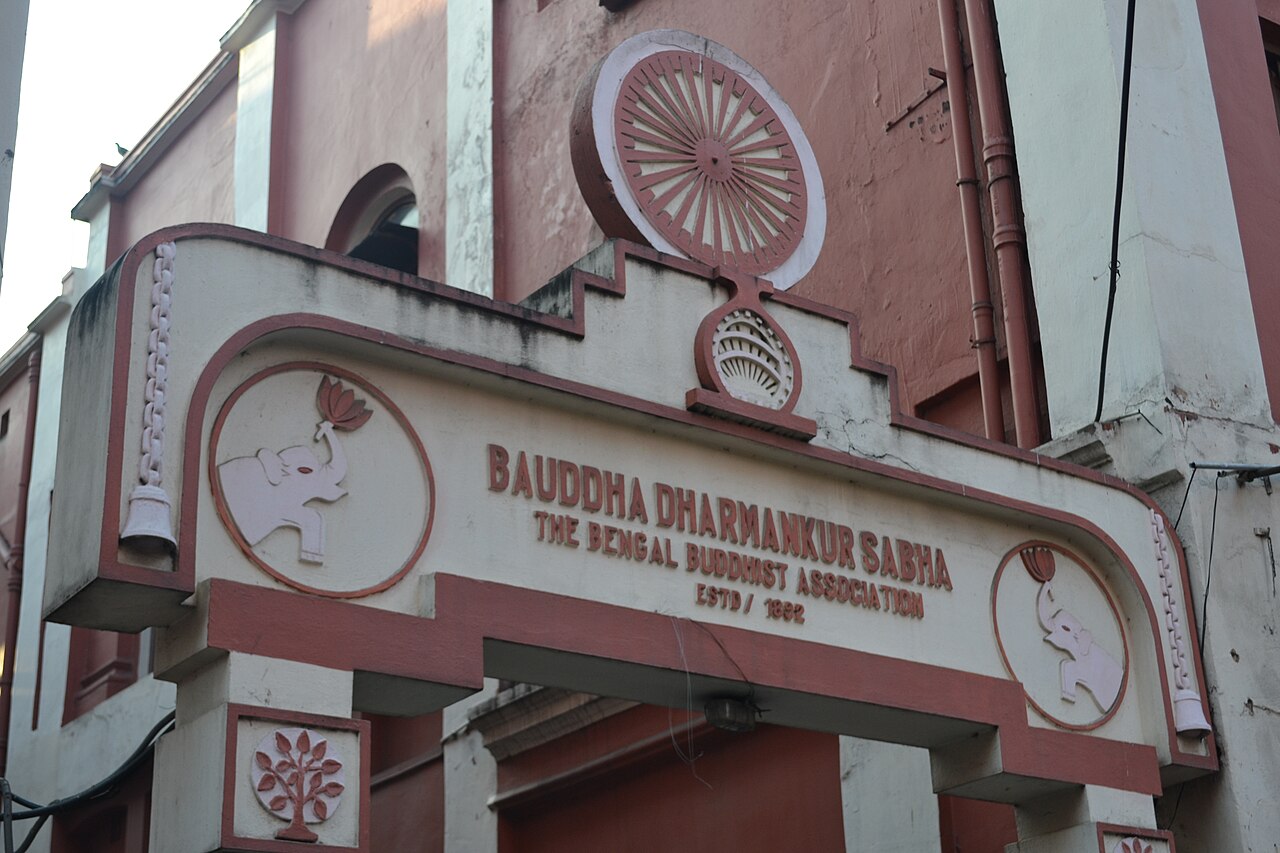
Founded in Kolkata in 1892 by Kripasaran Mahasthavir, the Bengal Buddhist Association, known in Bengali as Bauddha Dharmankur Sabha, raised the Dharmankur Vihara at Bow Barracks in 1903 and has worked for over a century to revive the Dharma in eastern India.
 Buddhism
Bhot Bagan Math
Ghusuri · India · monastery
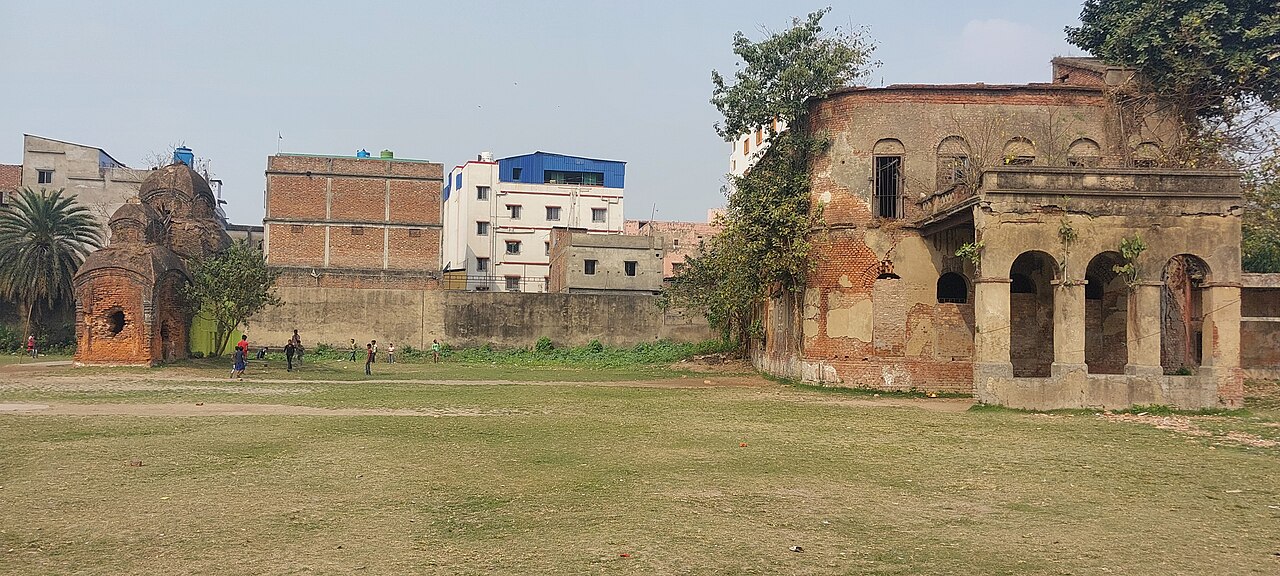
A brick monastery on the Hooghly riverside at Ghusuri, Howrah, founded in 1776 as the first Tibetan Buddhist religious foundation on the plains of India and still known popularly as Mahakal Math for the Tibetan deity images once installed in its sanctum.
 Buddhism
Borobudur
Magelang · Indonesia · temple
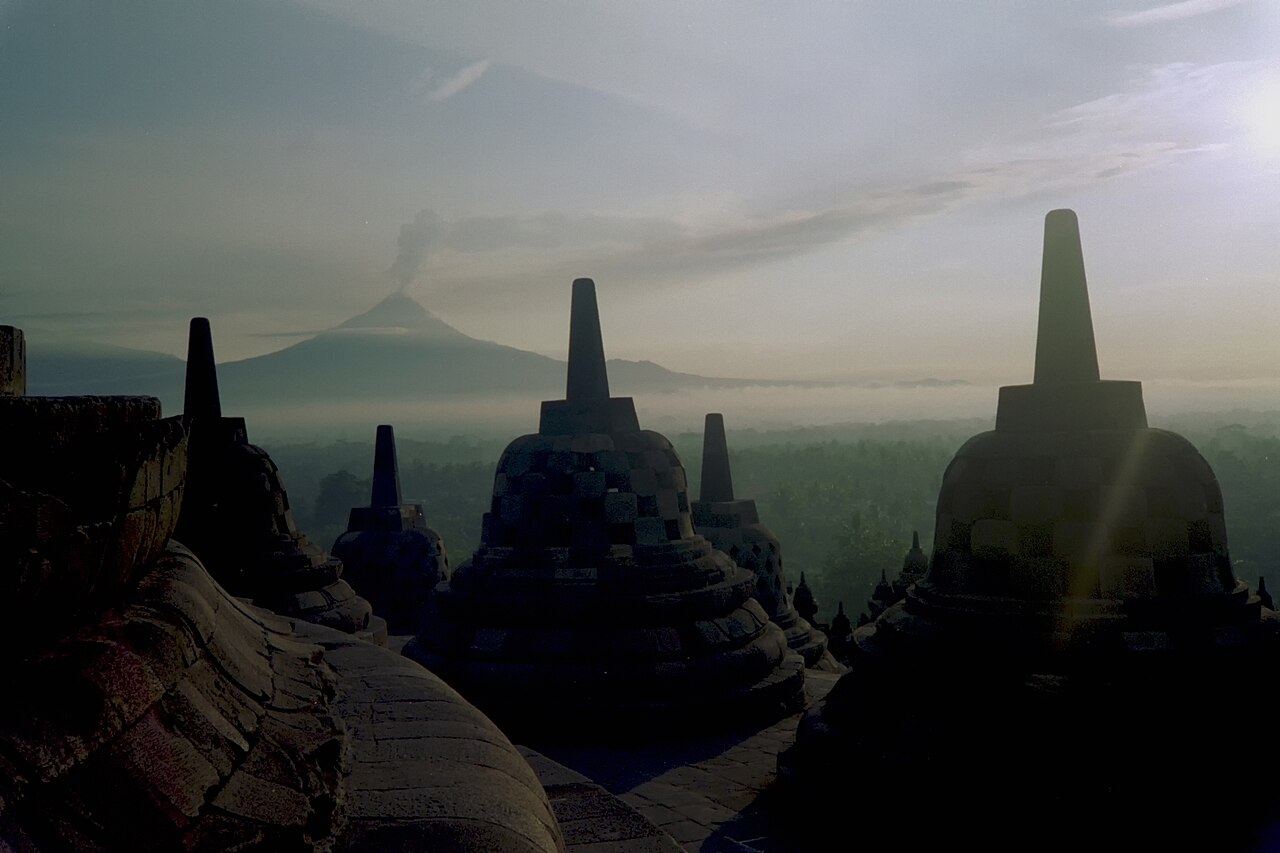
The world's largest Buddhist Temple: a ninth-century mandala in stone on Java's Kedu Plain, nine terraces rising through the three realms to 72 latticed stupas, each sheltering a seated Buddha.
 Buddhism
Boudhanath Stupa
Kathmandu · Nepal · stupa
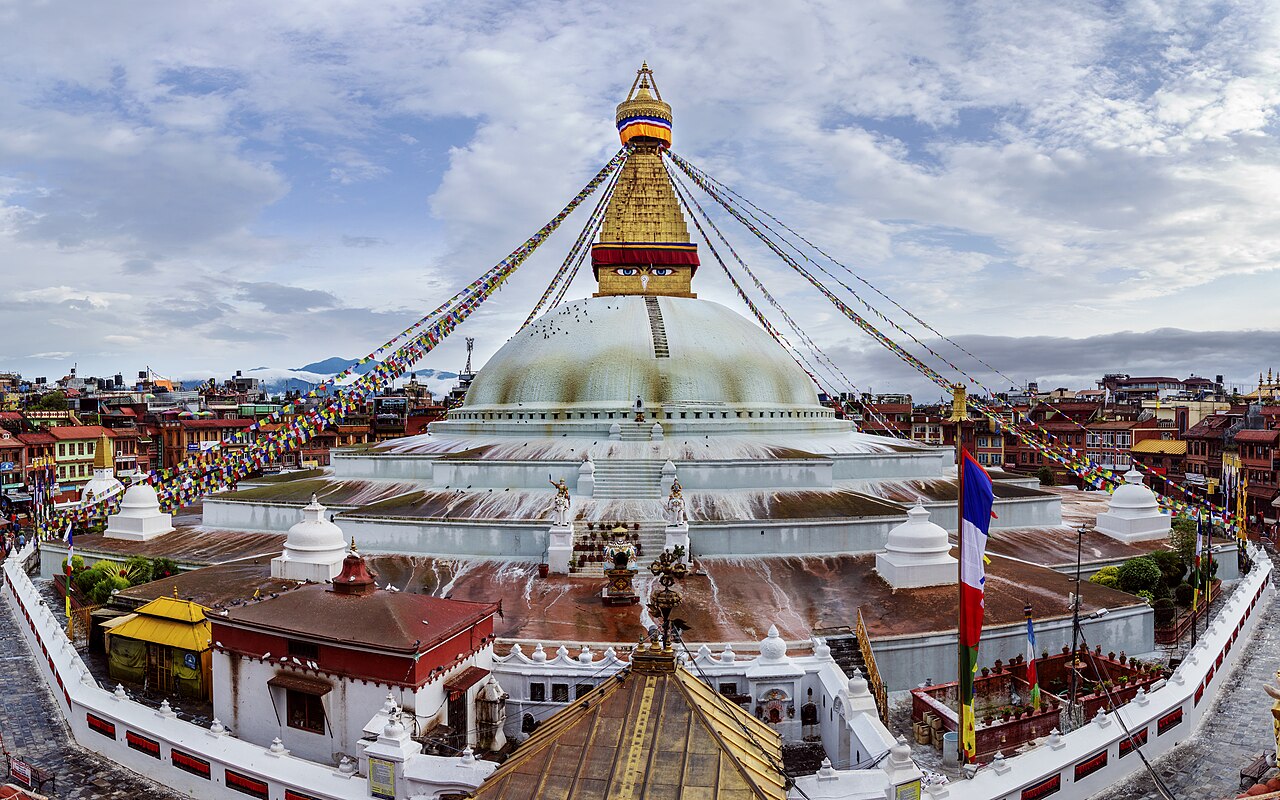
The largest spherical stupa in Nepal, its all-seeing Buddha eyes watching over the kora walked daily by the Tibetan Buddhist community of Boudha, the heart of Vajrayana practice in the Kathmandu Valley.