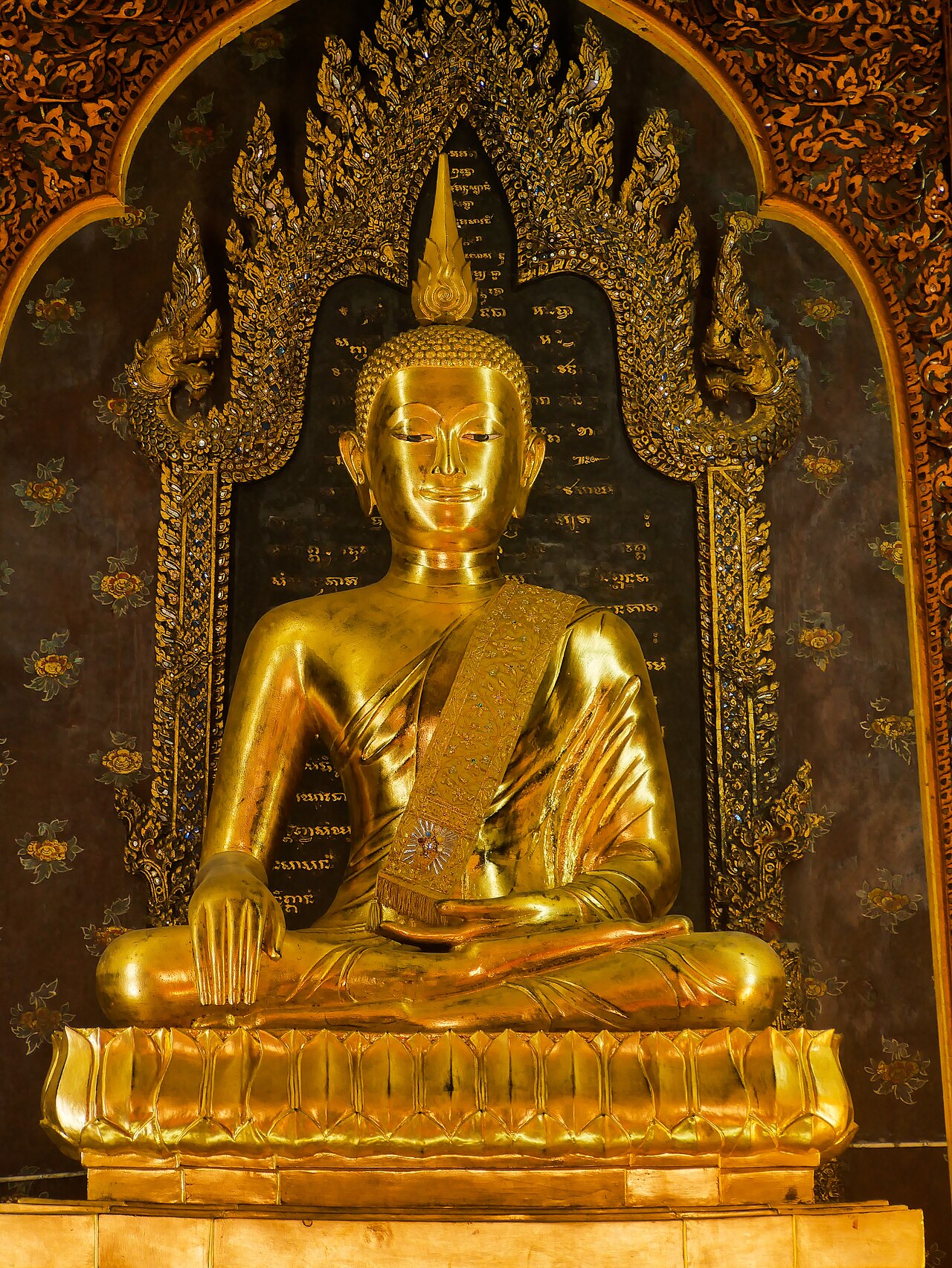
Wat Somanat Ratcha Wora Wihan
About
Wat Somanat Ratcha Wora Wihan stands along the banks of Khlong Phadung Krung Kasem canal in the Pom Prap Sattru Phai district of Bangkok, making it among the nearest monastic sites to Thailand's Government House. Its ordination hall is encircled by a double ring of traditional boundary walls, an arrangement that conforms precisely to classical Buddhist spatial principles, and monks may conduct liturgical rites within both the inner sanctuary and the outer hall, undisturbed by the world beyond the compound.
The craftsmanship of the ordination hall reflects both royal patronage and a cultivated eclecticism. Door and window surrounds bear gilded stucco ornamentation set with stained glass arranged in patterns of confederate rose flowers, while the gables carry glazed-tile stucco work framing the royal insignia of King Mongkut and his queen at their centre. Enshrined within the hall is the principal Buddha image known as Phra Buddha Siri, which was cast at Wat Rachathiwat in the Samsen quarter and brought here in 1856, the year the Temple was completed.
At the heart of the grounds rises a large and luminous golden stūpa housing relics of the Lord Buddha, one of only two Lanka-styled stūpas of its kind in Thailand, the other residing in Chinatown's Wat Kanmatuyaram. Nearby stands a white stūpa in the same Lankan tradition. The bell and drum towers are circular structures crowned with Chinese-influenced rooflines, lending the compound a quietly cosmopolitan character that reflects the broader cultural currents of nineteenth-century Bangkok.
History
The monastery was established in 1853 at the command of King Mongkut, Rama IV, who ordered its construction as a memorial and dedication to Queen Consort Somanass Waddhanawathy, the first of his wives, who had died at the age of seventeen. In designing the Temple, the king also drew on precedents from Ayutthaya, the former royal capital, so that the new foundation would carry within it a living memory of that earlier Thai Buddhist heritage.
When the Temple was completed in 1856, forty monks were transferred from Wat Rachathiwat to take up residence, accompanied by Somdet Phra Wannarat, known by the epithet Buddha Siri and regarded as a founding figure of the Thammayut monastic sect, who was appointed by the king as the Temple's first abbot. The principal Buddha image was brought from Wat Rachathiwat at the same time, establishing a direct spiritual lineage between the two monasteries from the very outset.
Significance
Wat Somanat Ratcha Wora Wihan occupies a rare position in Bangkok's religious landscape as a second-class royal monastery whose founding was simultaneously an act of personal grief and dynastic piety. Its double boundary walls ensure a ritual completeness that few Temples can claim, making its ordination hall a properly enclosed sacred precinct where monastic rites may proceed in their full traditional form. The Temple is also recognised as the official crematorium of the Royal Thai Army, adding a further dimension of national institutional significance to what began as an intimate royal memorial.
Visiting
Engage with Wat Somanat Ratcha Wora Wihan
Through the four pathways
Seva सेवा — Service
Offer your time and skills here. The following opportunities are open at Wat Somanat Ratcha Wora Wihan:
No Seva offerings listed yet.
Sādhana साधना — Practice
Learn the worship and practice associated with Wat Somanat Ratcha Wora Wihan:
No Sādhana offerings listed yet.
Sandhāna सन्धान — Wisdom
Unite with the wisdom of this tradition:
No Sandhāna offerings listed yet.
Sādhya साध्य — Giving
Support this sacred place according to your means:
No Sādhya offerings listed yet.
All giving flows directly to Wat Somanat Ratcha Wora Wihan. Adisthan does not take a commission.
Gallery
Related sacred places
 Buddhism
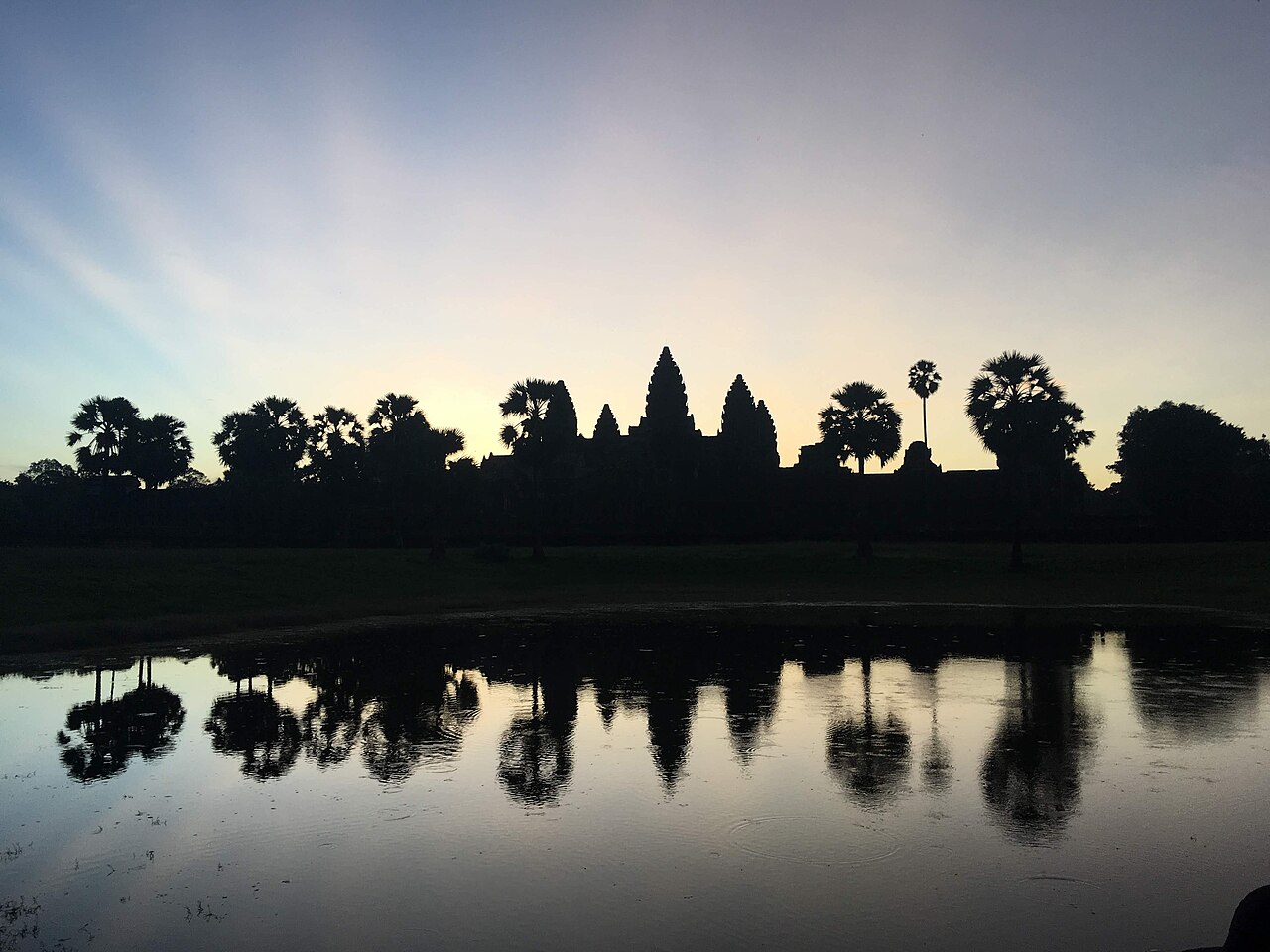
Angkor Wat
Siem Reap · Cambodia · temple
The largest religious monument on earth, built for Lord Vishnu by Suryavarman II in the 12th century and in continuous worship ever since: a living Theravada Buddhist Temple whose five towers stand on the Cambodian flag.
 Buddhism
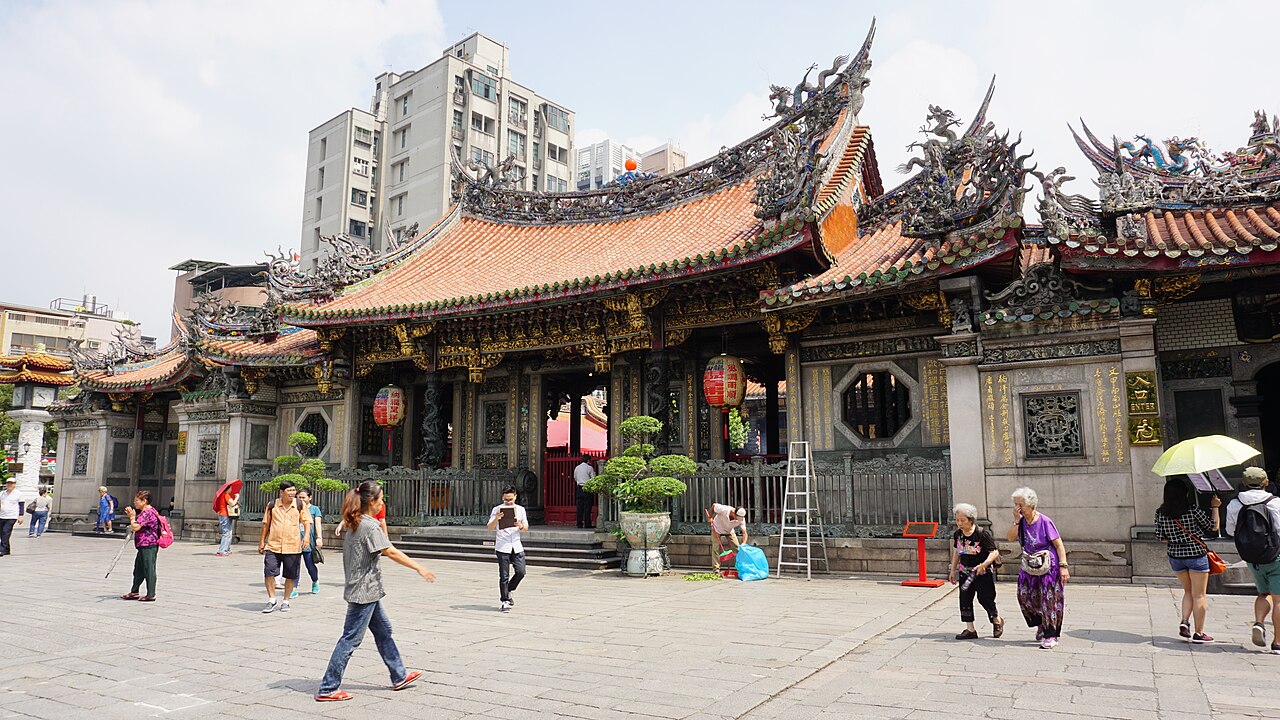
Bangka Lungshan Temple
Taipei (Wanhua) · Taiwan · temple
Taipei's mother Temple to Guanshiyin, founded by Fujian settlers in 1738 in the old Bangka quarter: a front hall to the bodhisattva of compassion and a rear hall of more than a hundred Taoist and folk gods, whose Guanyin statue survived the 1945 bombing intact.
 Buddhism
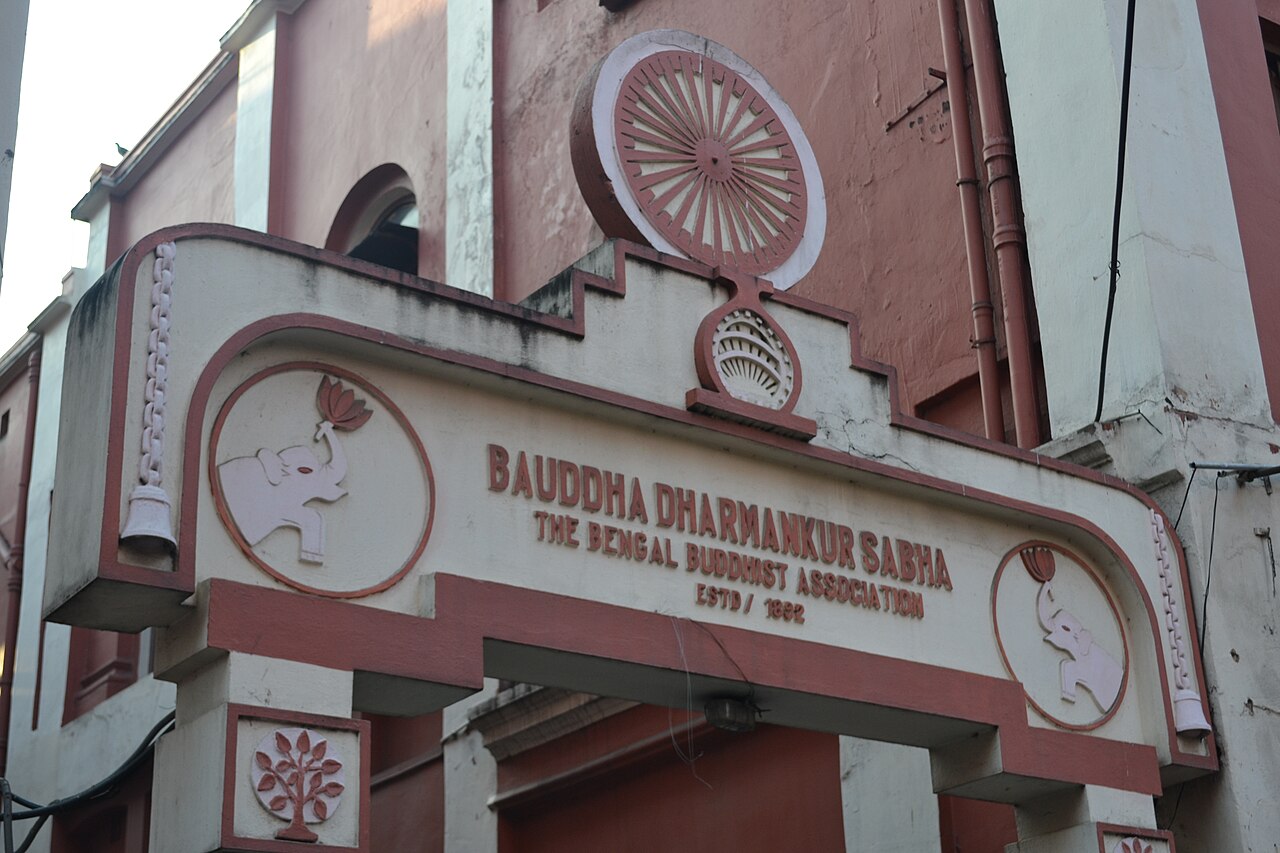
Bengal Buddhist Association
Kolkata · India · monastery
Founded in Kolkata in 1892 by Kripasaran Mahasthavir, the Bengal Buddhist Association, known in Bengali as Bauddha Dharmankur Sabha, raised the Dharmankur Vihara at Bow Barracks in 1903 and has worked for over a century to revive the Dharma in eastern India.
 Buddhism
Bhot Bagan Math
Ghusuri · India · monastery
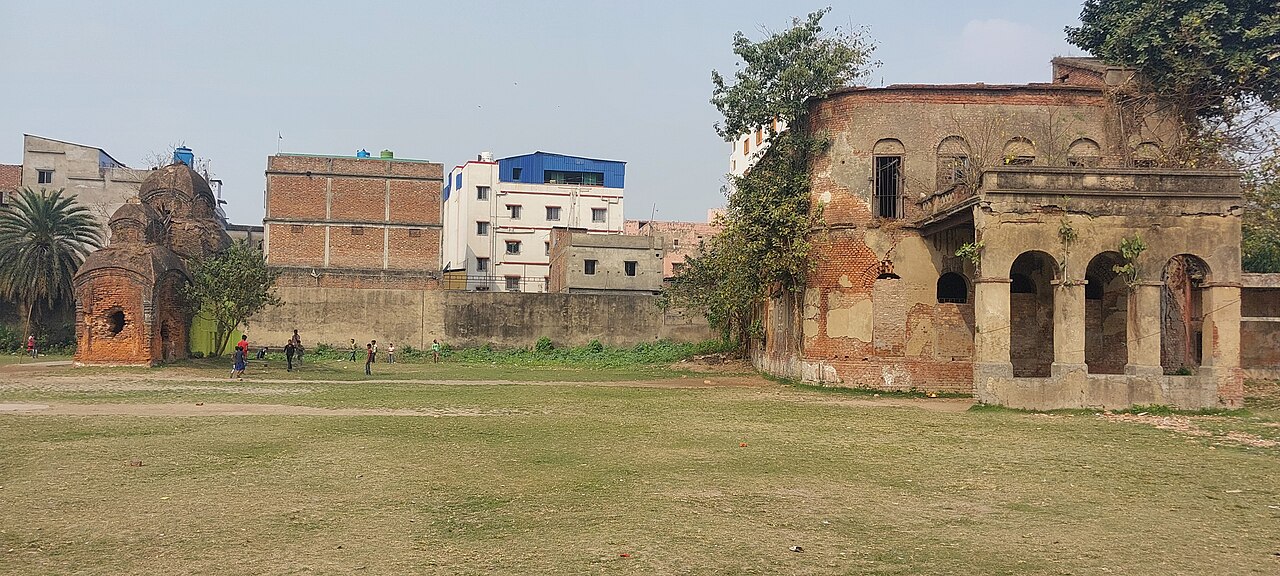
A brick monastery on the Hooghly riverside at Ghusuri, Howrah, founded in 1776 as the first Tibetan Buddhist religious foundation on the plains of India and still known popularly as Mahakal Math for the Tibetan deity images once installed in its sanctum.
 Buddhism
Borobudur
Magelang · Indonesia · temple
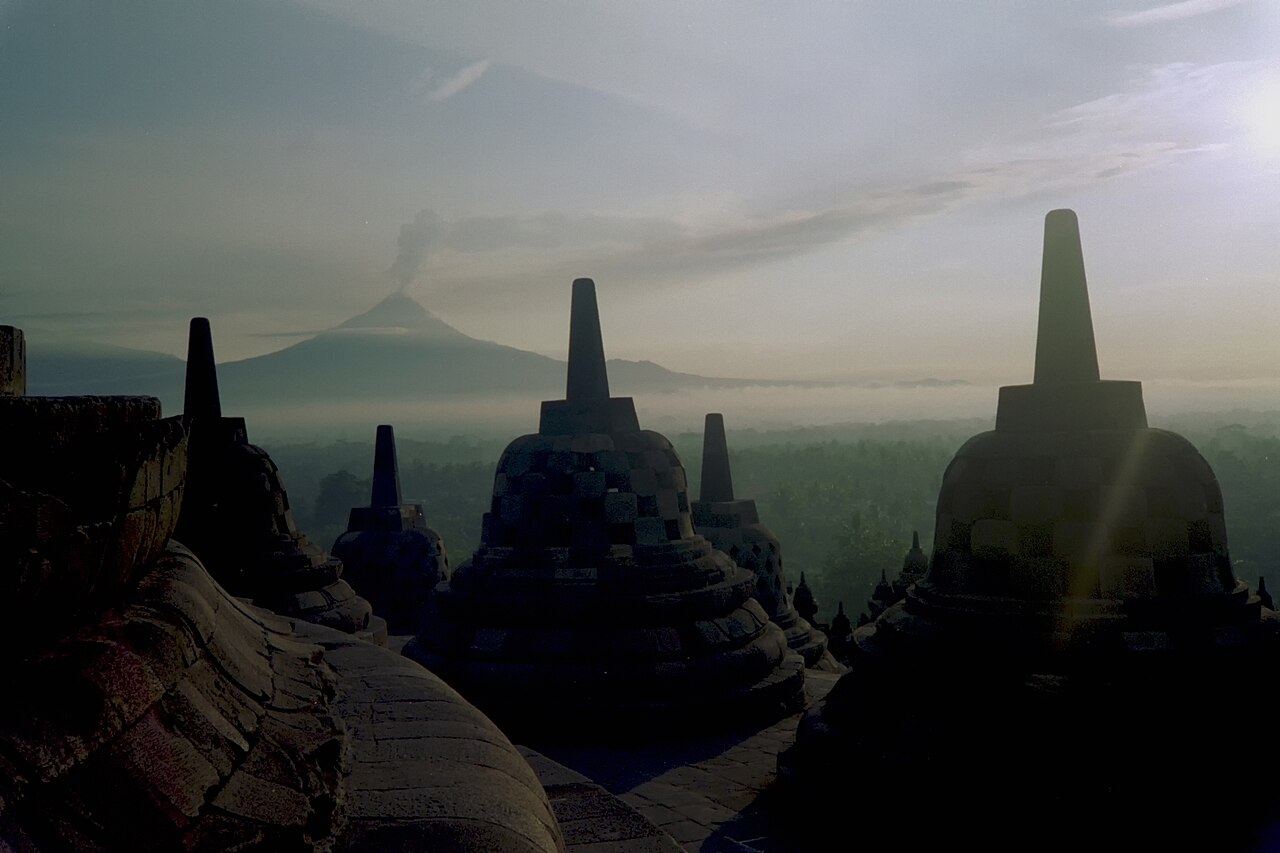
The world's largest Buddhist Temple: a ninth-century mandala in stone on Java's Kedu Plain, nine terraces rising through the three realms to 72 latticed stupas, each sheltering a seated Buddha.
 Buddhism
Boudhanath Stupa
Kathmandu · Nepal · stupa
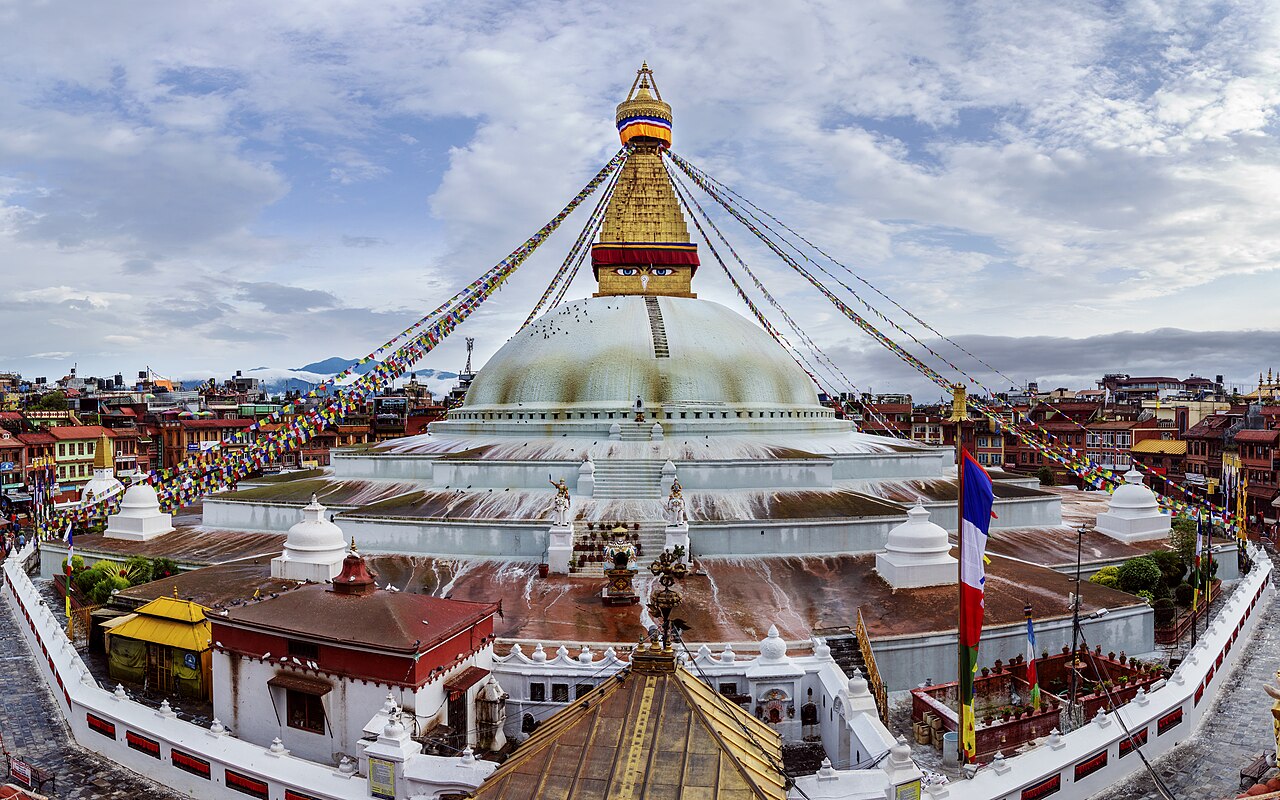
The largest spherical stupa in Nepal, its all-seeing Buddha eyes watching over the kora walked daily by the Tibetan Buddhist community of Boudha, the heart of Vajrayana practice in the Kathmandu Valley.