Wat Suthat
About
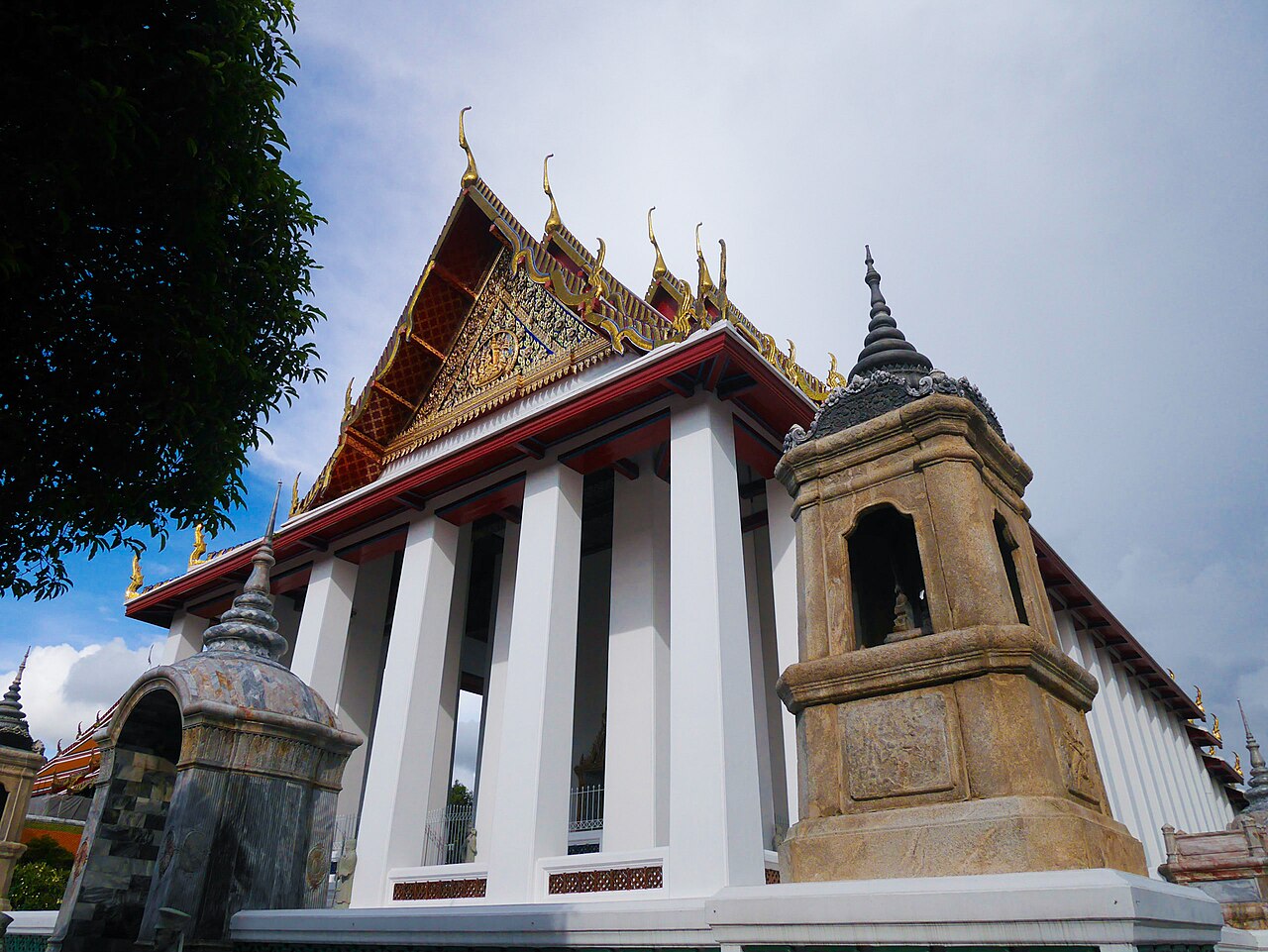
Wat Suthat Thepwararam stands within the Inner Rattanakosin area of Bangkok, just opposite the soaring red posts of the Giant Swing. The Temple ranks as a first-class royal monastery, and construction began under King Rama I in 1807, continuing through three reigns before its completion in 1847 under King Rama III.
The Temple was originally named Wat Maha Sutthawat and was raised in a grove of Combretum trees. King Rama II personally helped to carve the wooden doors of the vihara during his reign but did not live to see the project finished. The wat enshrines Phra Si Sakyamuni, a large Buddha image transferred from Wat Mahathat in Sukhothai, within its great vihara, with further images installed in the ubosot and the sala kan parian.
Around the lower terrace of the principal vihara stand twenty-eight small Chinese pagodas symbolising the twenty-eight Buddhas of Theravada tradition. The royal ashes of King Ananda Mahidol (Rama VIII) were enshrined in 1950 at the throne base of Phra Si Sakyamuni, where an annual royal merit-making rite is observed.
The ubosot is regarded as the longest ordination hall in Thailand. Its principal image, Phra Buddha Trilokachet, sits in the gesture of subduing Mara, with inner walls covered in murals by court artists of the Rama III period. Around the hall stand eight boundary-stone shrines, and the cloister wall is punctuated by raised pavilions called koi proi than, from which alms were once scattered during state ceremonies.
History
Construction of Wat Suthat began in 1807 under King Rama I, who chose the low-lying site in the inner city for a Temple to enshrine the great Buddha image Phra Si Sakyamuni transferred from Sukhothai. The king died before the project was complete, and work resumed under King Rama II, who himself carved the wooden doors of the vihara before his own passing.
The Temple was finally completed in 1847 under King Rama III, who conferred its present official name. Under King Mongkut the principal Buddha images of the vihara, ubosot, and preaching hall were given harmonised names: Phra Si Sakyamuni, Phra Buddha Trilokachet, and Phra Phuttha Sretthamuni. King Ananda Mahidol's royal ashes were enshrined in 1950, and an annual rite is observed on 9 June each year.
Visiting
Engage with Wat Suthat
Through the four pathways
Seva सेवा — Service
Offer your time and skills here. The following opportunities are open at Wat Suthat:
No Seva offerings listed yet.
Sādhana साधना — Practice
Learn the worship and practice associated with Wat Suthat:
No Sādhana offerings listed yet.
Sandhāna सन्धान — Wisdom
Unite with the wisdom of this tradition:
No Sandhāna offerings listed yet.
Sādhya साध्य — Giving
Support this sacred place according to your means:
No Sādhya offerings listed yet.
All giving flows directly to Wat Suthat. Adisthan does not take a commission.
Gallery
Related sacred places
 Buddhism
Angkor Wat
Siem Reap · Cambodia · temple
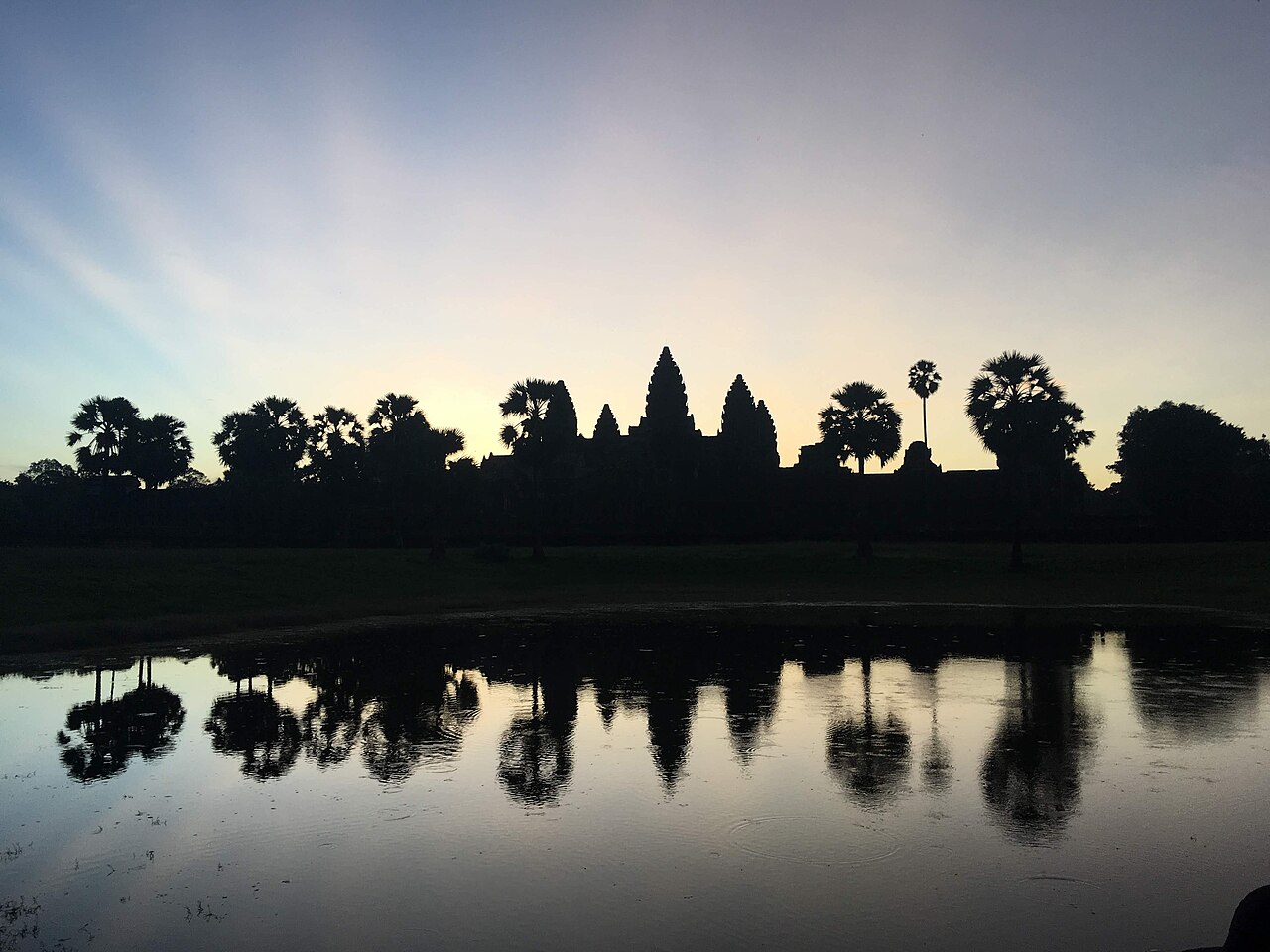
The largest religious monument on earth, built for Lord Vishnu by Suryavarman II in the 12th century and in continuous worship ever since: a living Theravada Buddhist Temple whose five towers stand on the Cambodian flag.
 Buddhism
Bangka Lungshan Temple
Taipei (Wanhua) · Taiwan · temple
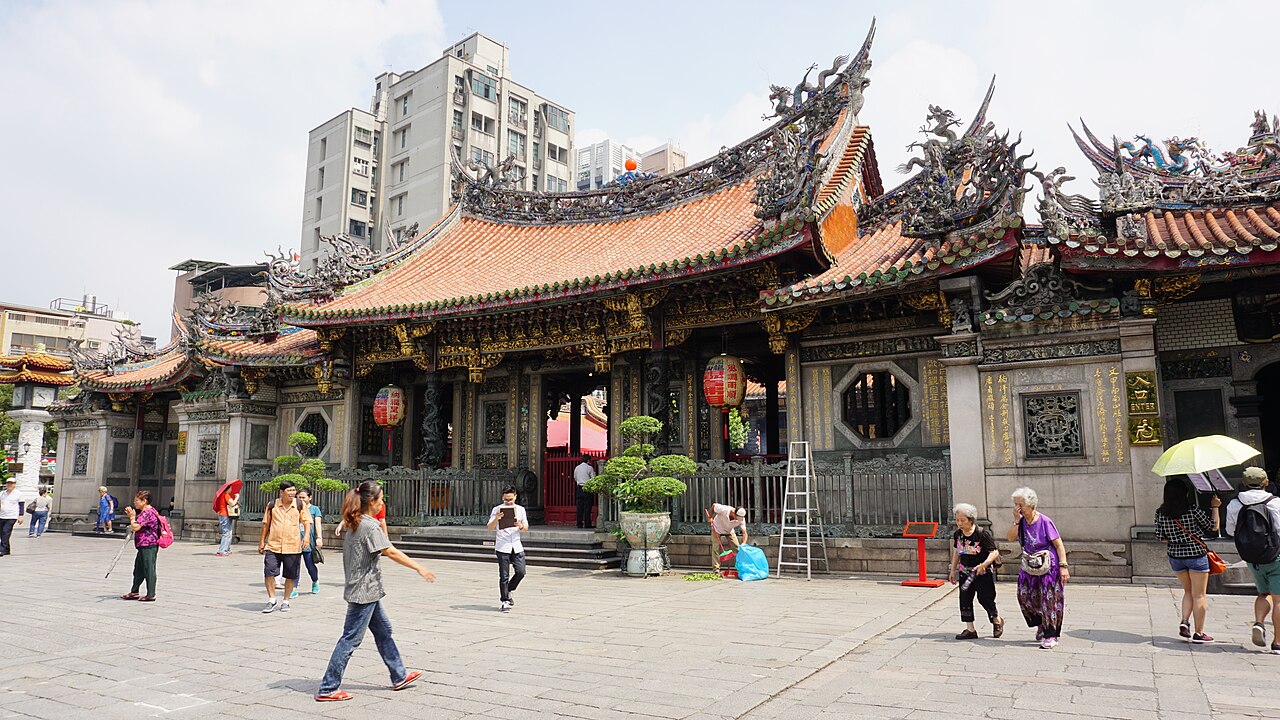
Taipei's mother Temple to Guanshiyin, founded by Fujian settlers in 1738 in the old Bangka quarter: a front hall to the bodhisattva of compassion and a rear hall of more than a hundred Taoist and folk gods, whose Guanyin statue survived the 1945 bombing intact.
 Buddhism
Bengal Buddhist Association
Kolkata · India · monastery
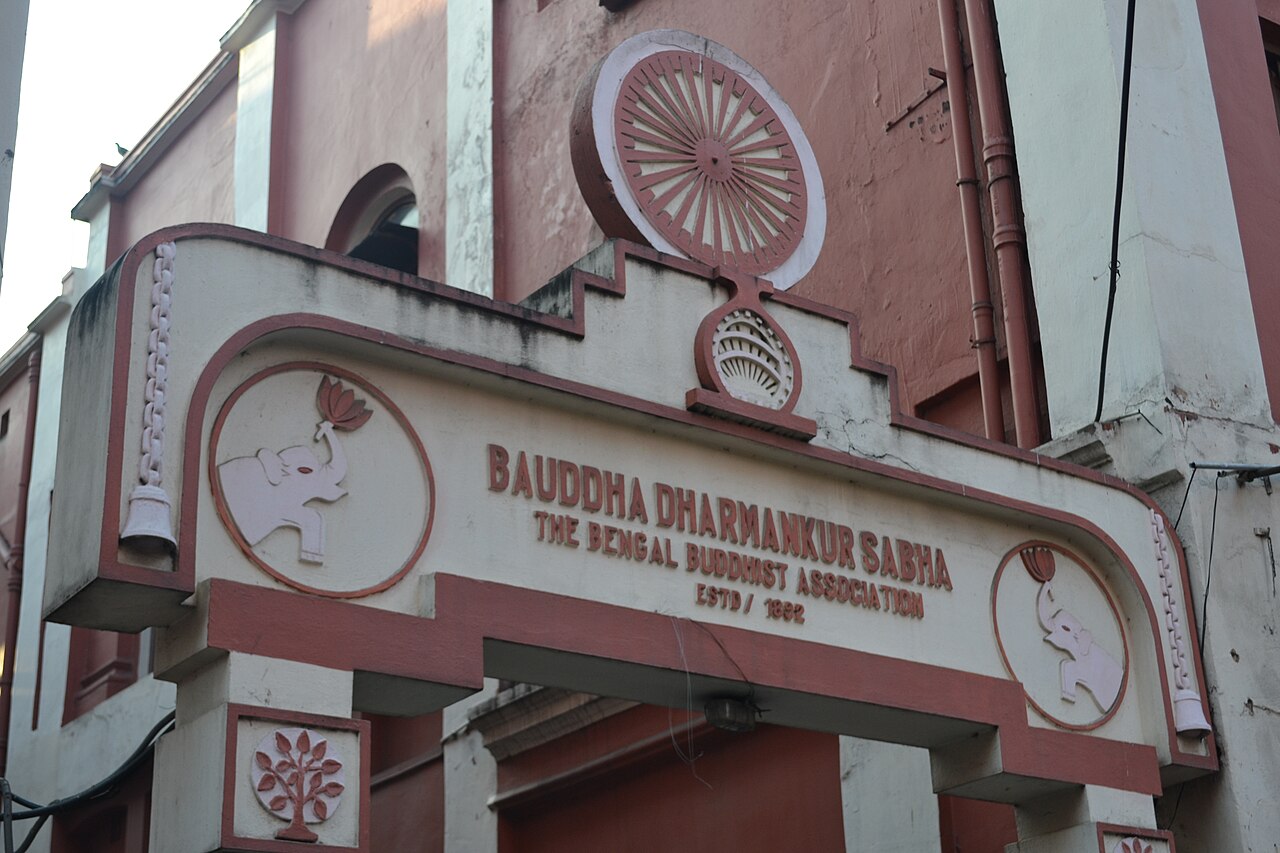
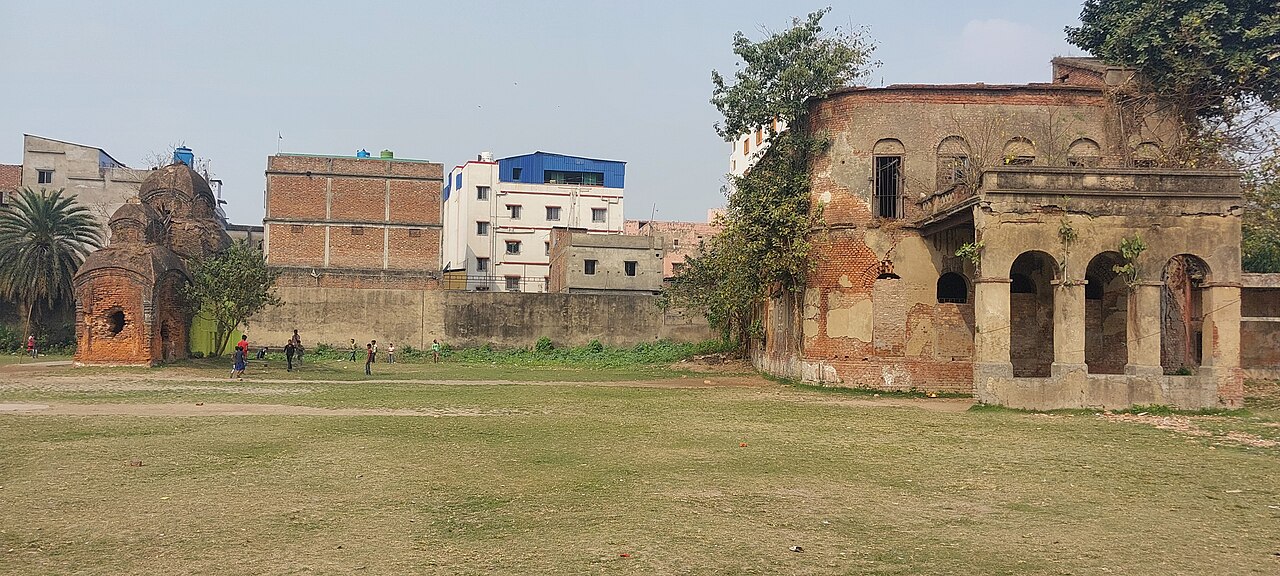
Founded in Kolkata in 1892 by Kripasaran Mahasthavir, the Bengal Buddhist Association, known in Bengali as Bauddha Dharmankur Sabha, raised the Dharmankur Vihara at Bow Barracks in 1903 and has worked for over a century to revive the Dharma in eastern India.
 Buddhism
Bhot Bagan Math
Ghusuri · India · monastery
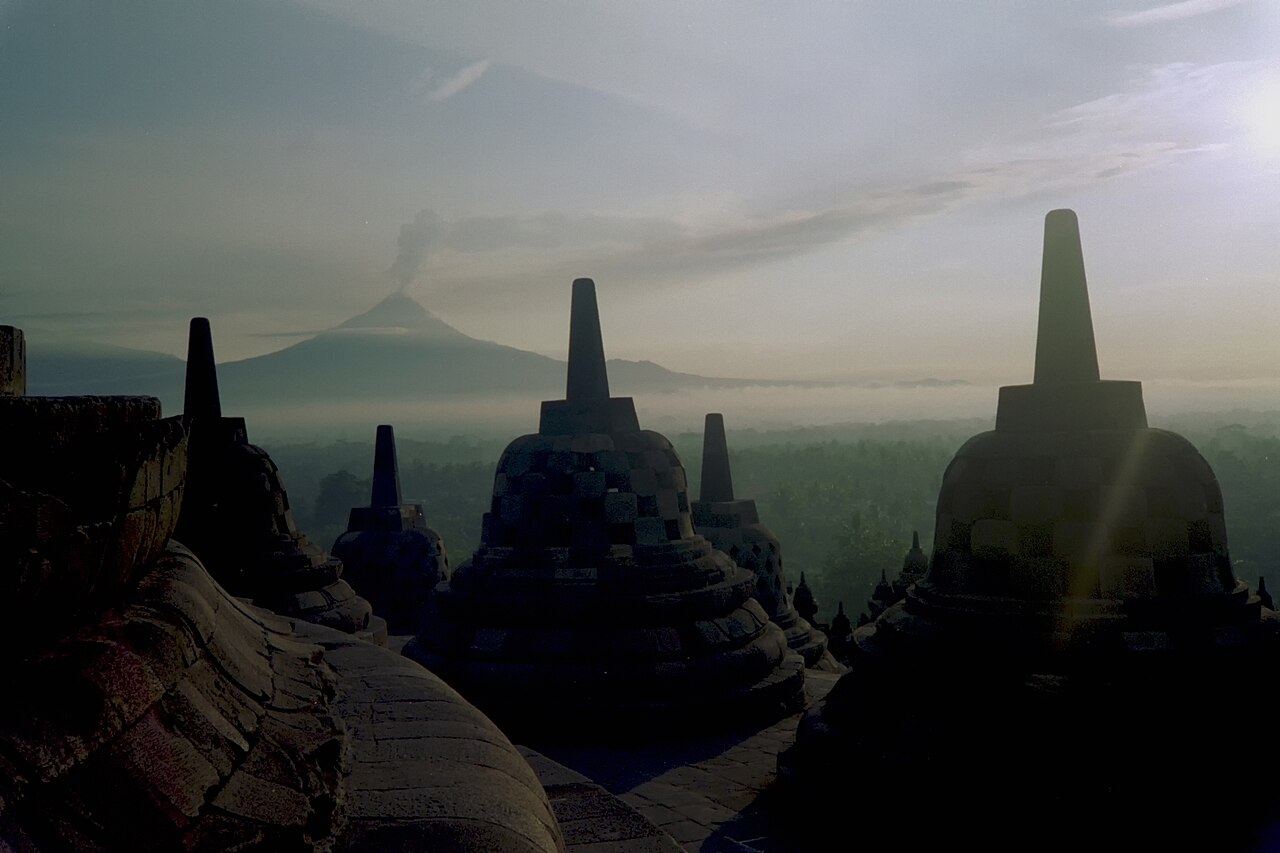
A brick monastery on the Hooghly riverside at Ghusuri, Howrah, founded in 1776 as the first Tibetan Buddhist religious foundation on the plains of India and still known popularly as Mahakal Math for the Tibetan deity images once installed in its sanctum.
 Buddhism
Borobudur
Magelang · Indonesia · temple
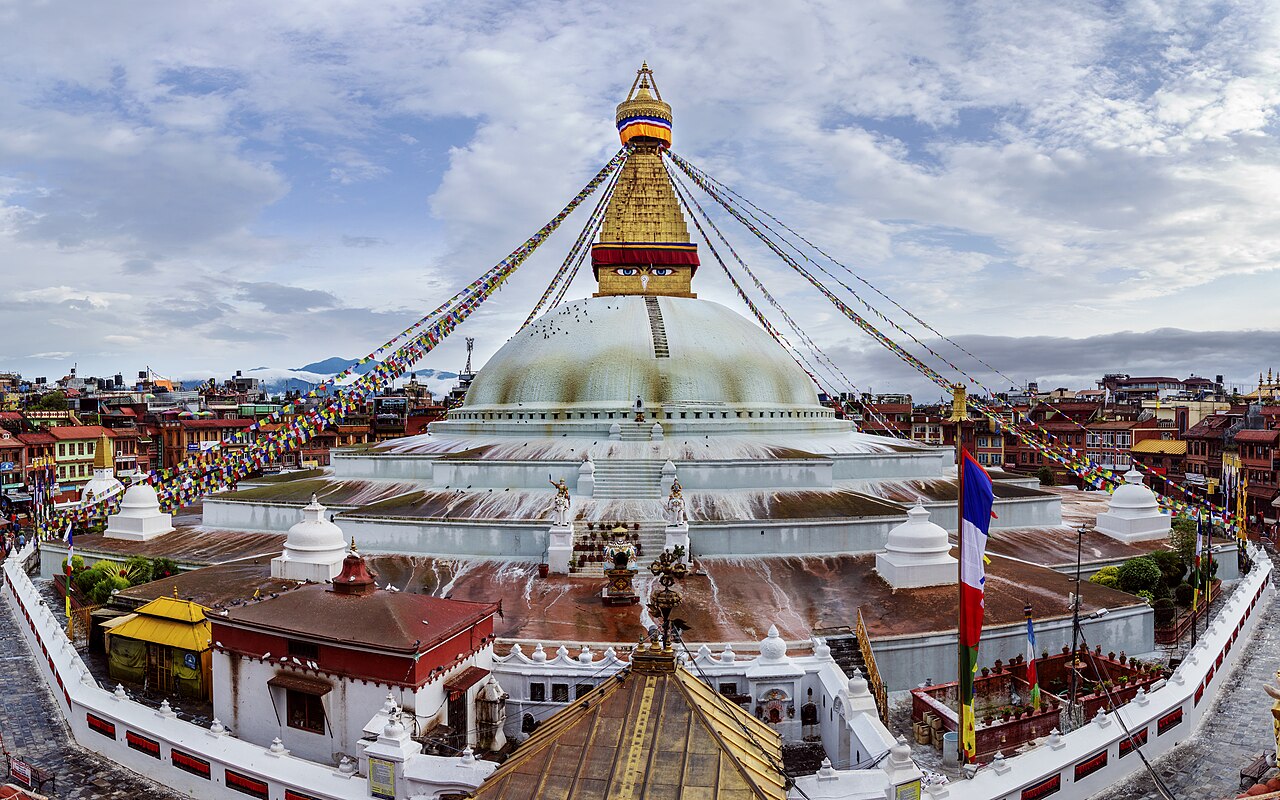
The world's largest Buddhist Temple: a ninth-century mandala in stone on Java's Kedu Plain, nine terraces rising through the three realms to 72 latticed stupas, each sheltering a seated Buddha.
 Buddhism
Boudhanath Stupa
Kathmandu · Nepal · stupa
The largest spherical stupa in Nepal, its all-seeing Buddha eyes watching over the kora walked daily by the Tibetan Buddhist community of Boudha, the heart of Vajrayana practice in the Kathmandu Valley.