Wat Traimit
About
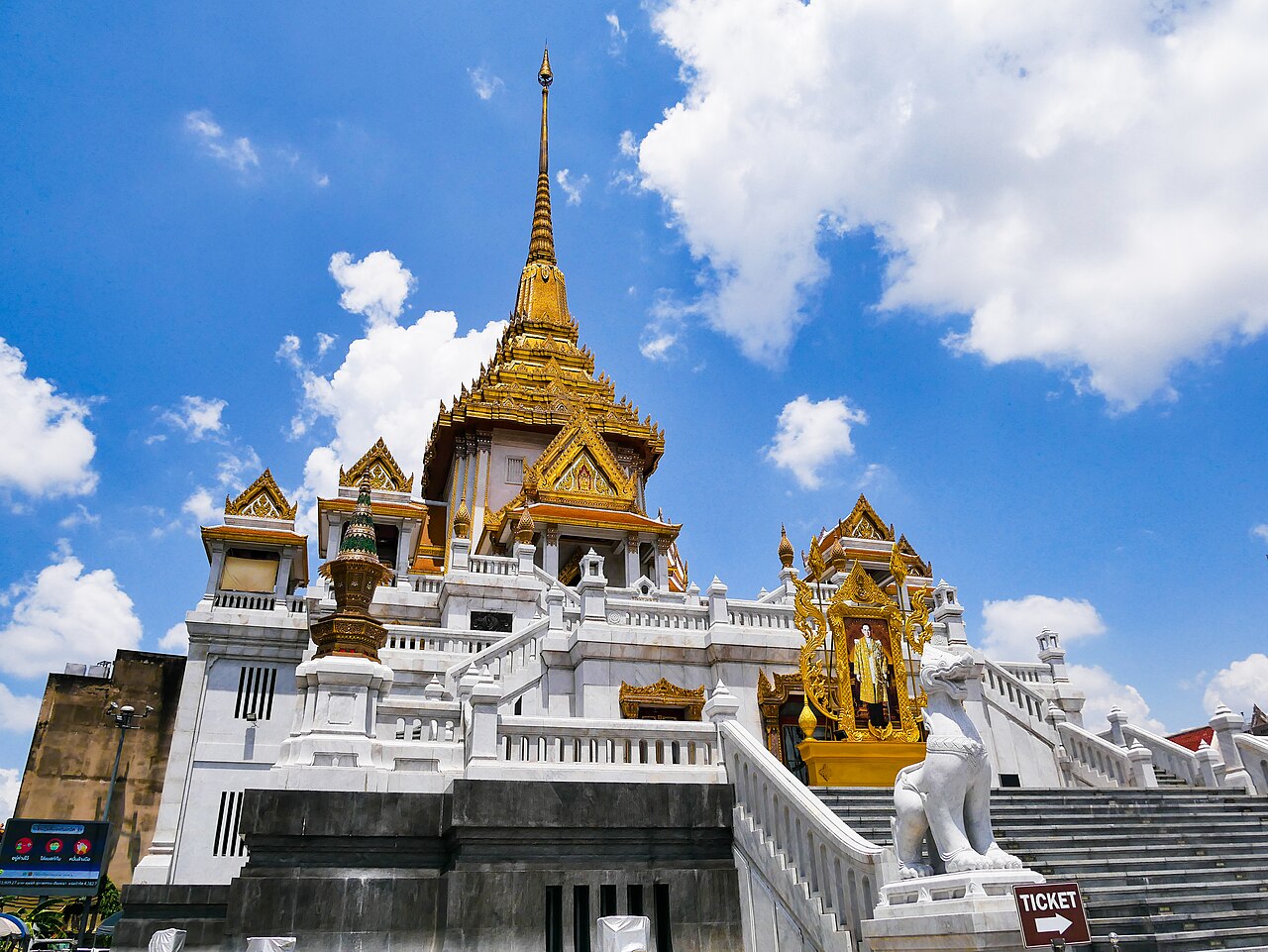
Wat Traimit Witthayaram Worawihan rises in the Samphanthawong district of Bangkok, deep within the city's vibrant Chinatown. The Temple likely dates to the early Rattanakosin period and was previously called Wat Sam Chin Tai, the 'south Temple of the three Chinese', after the friends remembered in oral tradition as its founders. It received its present name in 1940 and became a royal Temple of the second class in 1956.
The wat is universally associated with the Phra Phuttha Maha Suwanna Patimakon, the Golden Buddha. The statue had been brought to Wat Traimit in 1935 from the abandoned Wat Phraya Krai, covered in plaster. In 1955, during a ceremony to move the image, it was accidentally dropped. The plaster cracked, and beneath shone solid gold, a Sukhothai-style image of striking refinement, concealed for centuries.
The statue received its formal name in 1992 and is now housed within the Phra Maha Mondop, a four-storey marble-clad pavilion opened to the public in 2010. Designed by Arvuth Ngoenchuklin, the Mondop's top floor is a shrine hall where the image rests beneath a gilded multi-tiered roof. The lower floors function as museums, one tells the story of the statue's casting and rediscovery, while another houses the Yaowarat Chinatown Heritage Center.
The monks' residences were built in 1937, and the ubosot was raised in 1947 to designs by Luang Wisansinlapakam, both received the ASA Architectural Conservation Award in 2011.
History
The Temple was probably founded around the reign of King Rama III (1824–1851) by three Chinese friends, hence its early name Wat Sam Chin. The complex was largely rebuilt during the 1930s and 1940s, and on 3 February 1940 it received the name Wat Traimit Witthayaram, 'Temple of the three friends'. In 1956 it was elevated to royal Temple of the second class.
The most famous chapter came in 1955, when the plaster covering on a Buddha image from the abandoned Wat Phraya Krai cracked open and revealed a solid-gold statue. The image was formally named Phra Phuttha Maha Suwanna Patimakon in 1992. The dedicated Mondop housing it was completed in 2007 and inaugurated on 14 February 2010, as part of a state-and-community initiative also marking King Bhumibol Adulyadej's eightieth birthday year.
Visiting
Engage with Wat Traimit
Through the four pathways
Seva सेवा — Service
Offer your time and skills here. The following opportunities are open at Wat Traimit:
No Seva offerings listed yet.
Sādhana साधना — Practice
Learn the worship and practice associated with Wat Traimit:
No Sādhana offerings listed yet.
Sandhāna सन्धान — Wisdom
Unite with the wisdom of this tradition:
No Sandhāna offerings listed yet.
Sādhya साध्य — Giving
Support this sacred place according to your means:
No Sādhya offerings listed yet.
All giving flows directly to Wat Traimit. Adisthan does not take a commission.
Gallery
Related sacred places
 Buddhism
Angkor Wat
Siem Reap · Cambodia · temple
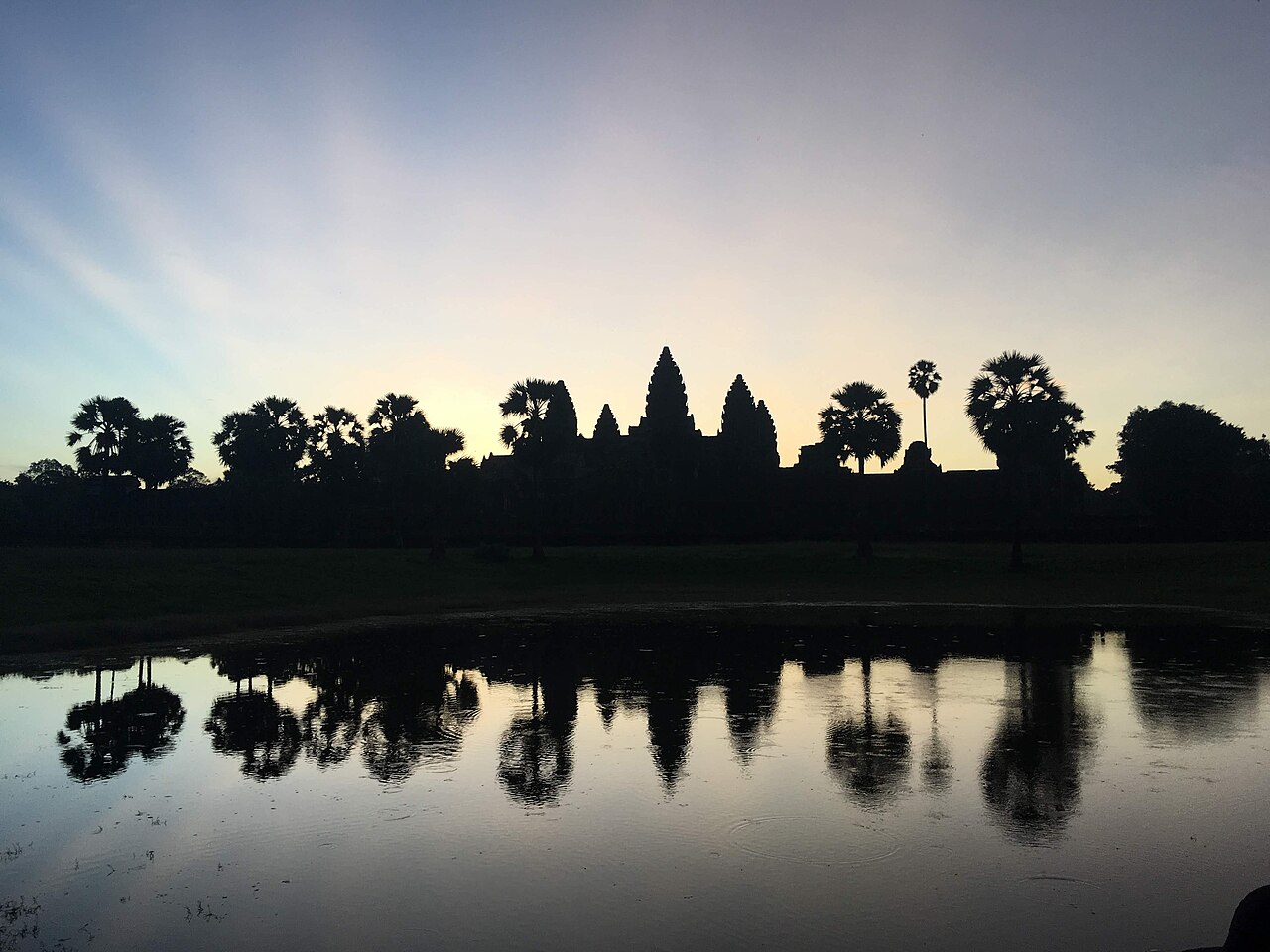
The largest religious monument on earth, built for Lord Vishnu by Suryavarman II in the 12th century and in continuous worship ever since: a living Theravada Buddhist Temple whose five towers stand on the Cambodian flag.
 Buddhism
Bangka Lungshan Temple
Taipei (Wanhua) · Taiwan · temple
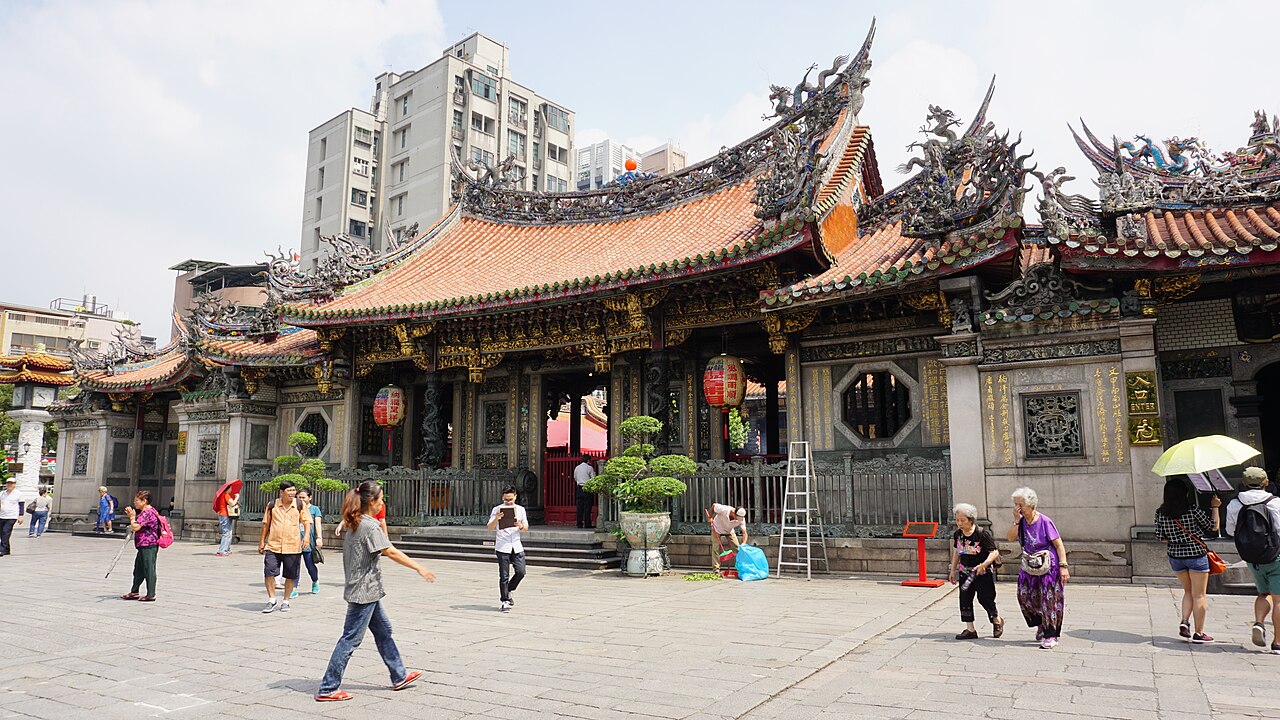
Taipei's mother Temple to Guanshiyin, founded by Fujian settlers in 1738 in the old Bangka quarter: a front hall to the bodhisattva of compassion and a rear hall of more than a hundred Taoist and folk gods, whose Guanyin statue survived the 1945 bombing intact.
 Buddhism
Bengal Buddhist Association
Kolkata · India · monastery
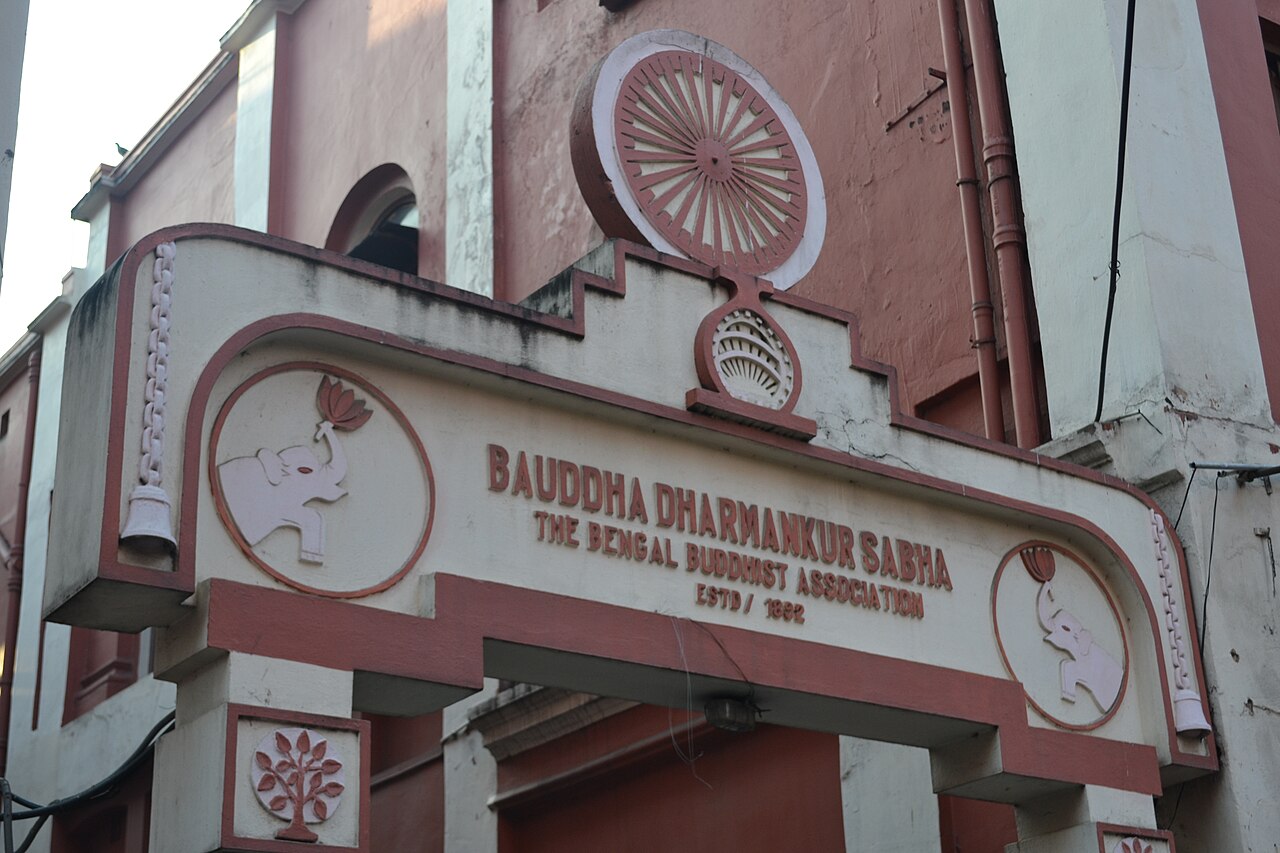
Founded in Kolkata in 1892 by Kripasaran Mahasthavir, the Bengal Buddhist Association, known in Bengali as Bauddha Dharmankur Sabha, raised the Dharmankur Vihara at Bow Barracks in 1903 and has worked for over a century to revive the Dharma in eastern India.
 Buddhism
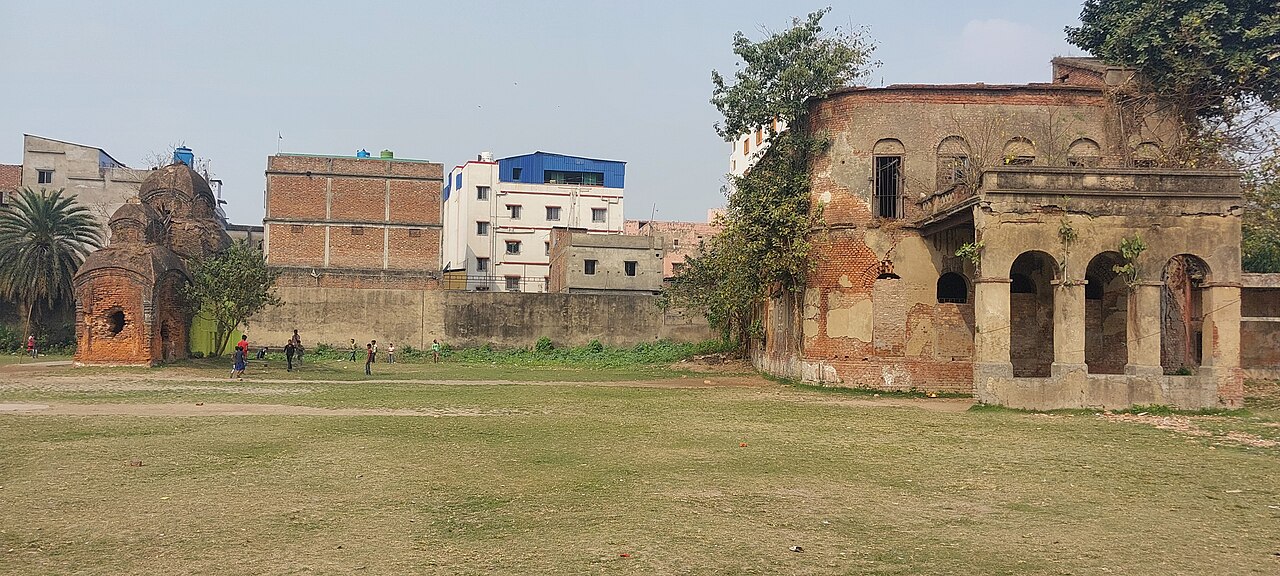
Bhot Bagan Math
Ghusuri · India · monastery
A brick monastery on the Hooghly riverside at Ghusuri, Howrah, founded in 1776 as the first Tibetan Buddhist religious foundation on the plains of India and still known popularly as Mahakal Math for the Tibetan deity images once installed in its sanctum.
 Buddhism
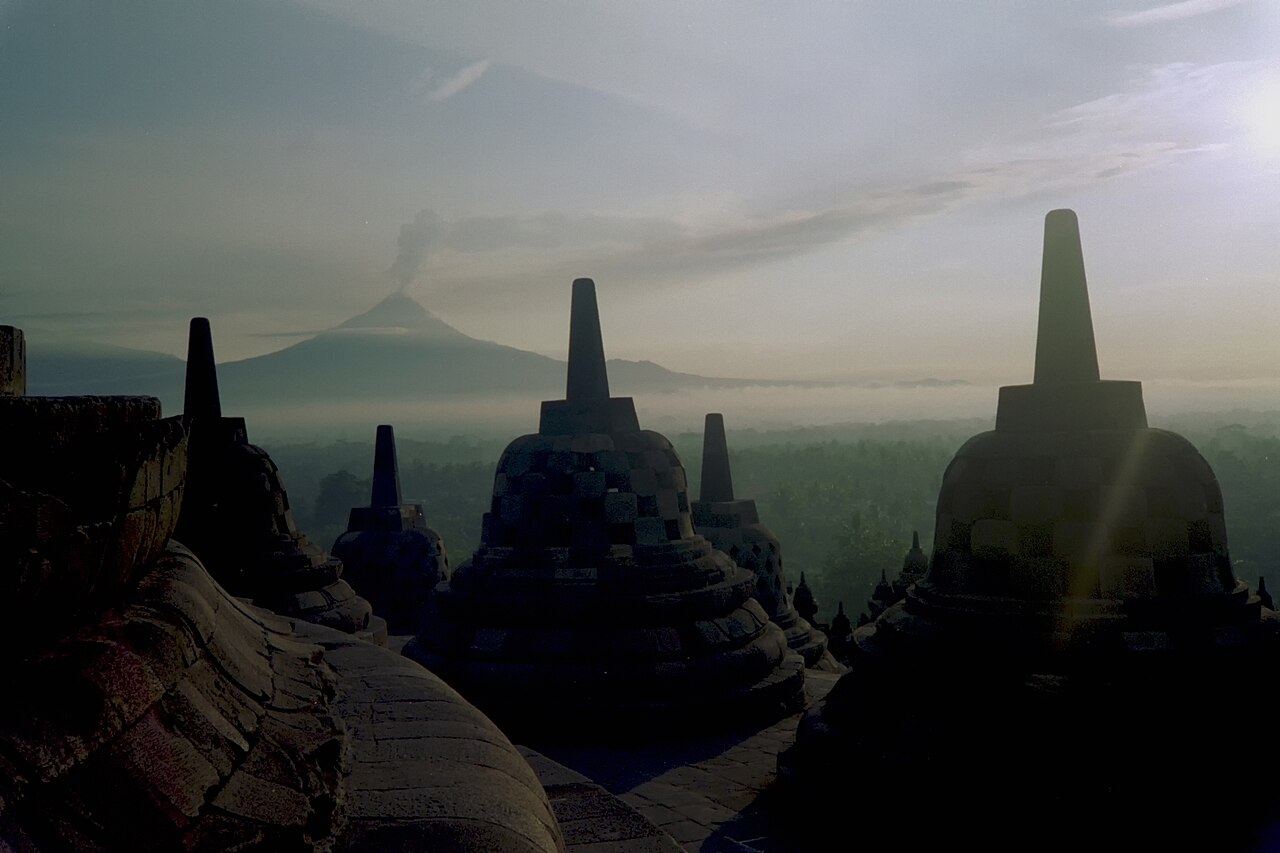
Borobudur
Magelang · Indonesia · temple
The world's largest Buddhist Temple: a ninth-century mandala in stone on Java's Kedu Plain, nine terraces rising through the three realms to 72 latticed stupas, each sheltering a seated Buddha.
 Buddhism
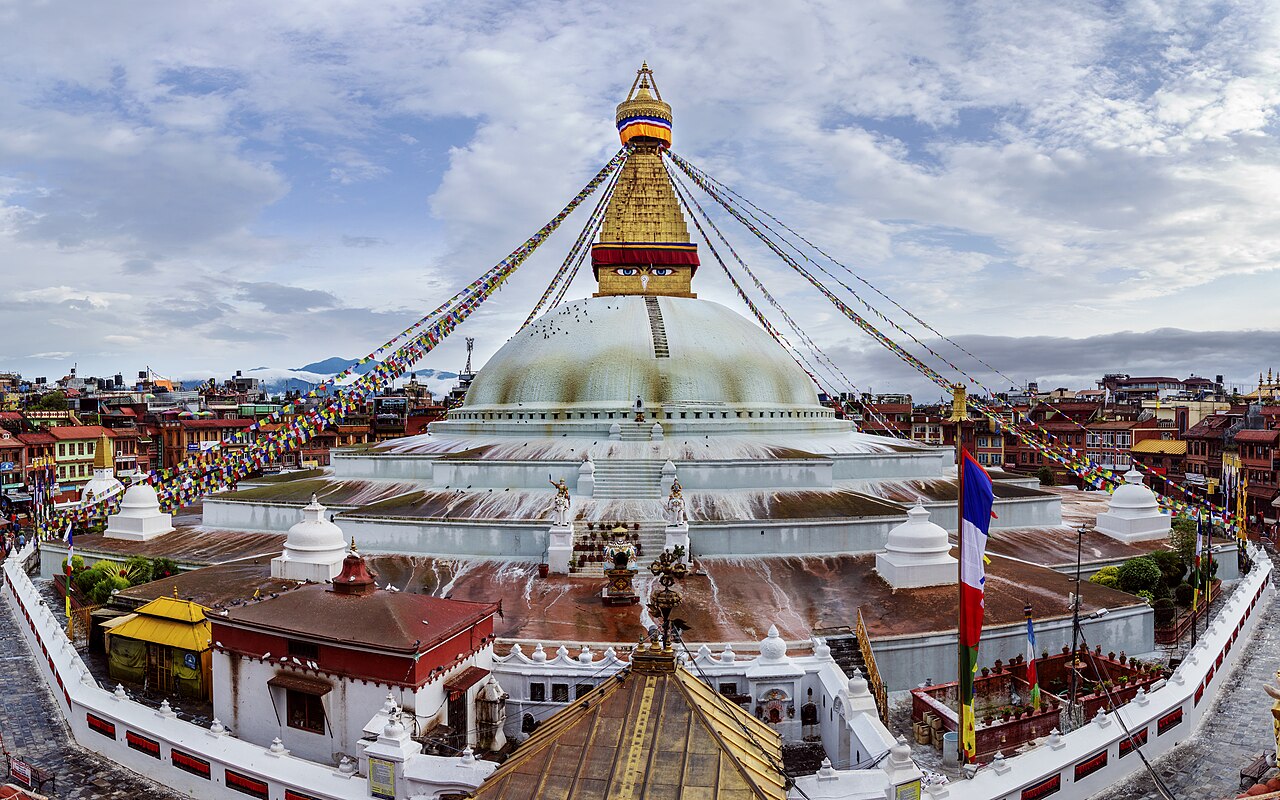
Boudhanath Stupa
Kathmandu · Nepal · stupa
The largest spherical stupa in Nepal, its all-seeing Buddha eyes watching over the kora walked daily by the Tibetan Buddhist community of Boudha, the heart of Vajrayana practice in the Kathmandu Valley.