Zeyrek Mosque
About
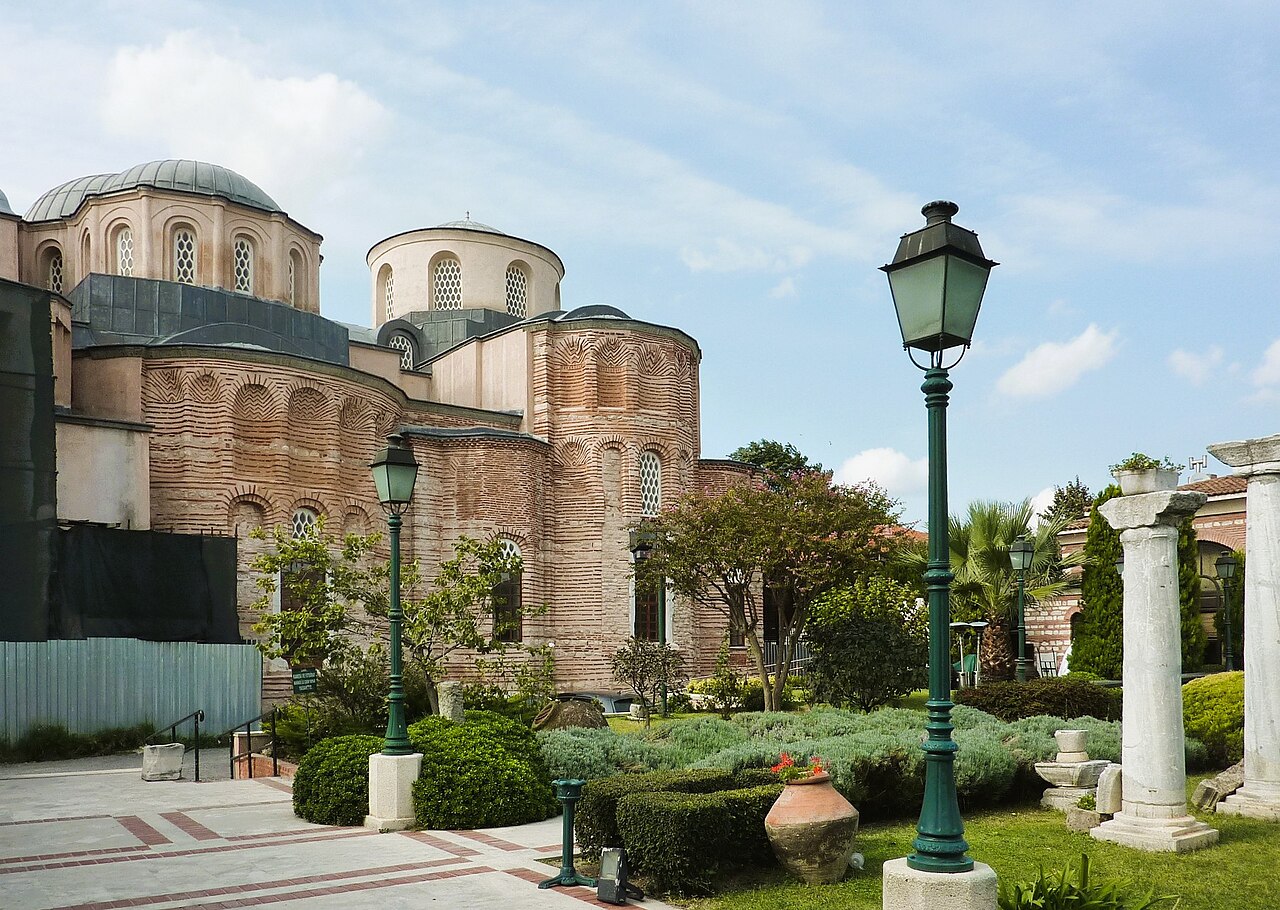
Zeyrek Mosque, Zeyrek Camii, rises on Fazilet Street in the Zeyrek district of Fatih in Istanbul, looking out over the Golden Horn. The building was originally the great Monastery of Christ Pantokrator, a Byzantine complex made up of two churches and a chapel joined together. It remains the finest example of Middle Byzantine architecture surviving in Constantinople and, after Hagia Sophia, the largest Byzantine religious edifice still standing in Istanbul.
Between 1118 and 1124, the Empress Irene of Hungary founded a monastery dedicated to Christ Pantokrator on this site, with a library and hospital. After Irene's death, John II built a second church to the north, dedicated to the Theotokos Eleousa, which was open to the laity.
A chapel of Saint Michael joined the two churches by around 1136, becoming the imperial mausoleum of the Komnenos and Palaiologos dynasties. During the Latin occupation after 1204, the precinct was used by the last Latin emperor Baldwin as a palace. After the Palaiologan restoration, Orthodox monks returned; the future first Patriarch of Constantinople, Gennadius II Scholarius, lived here before 1453.
Following the Ottoman conquest, the principal church was converted into a mosque. The mosque takes its present name from Molla Zeyrek, a scholar who taught there. After long neglect the building was added to UNESCO's watchlist of endangered monuments, and an extensive restoration has since been completed.
History
The Monastery of the Pantokrator was founded between 1118 and 1124 by the Empress Irene of Hungary, the wife of John II Komnenos, dedicated to Christ Pantokrator. After Irene's death, John II added a second church dedicated to the Theotokos Eleousa, and by around 1136 a chapel of Saint Michael joined the two, serving as imperial mausoleum to the Komnenos and Palaiologos dynasties.
After the Fourth Crusade of 1204 the complex passed to Venetian clergy and was used as an imperial palace by the Latin emperor Baldwin. With the restoration of Byzantine rule it returned to Orthodox monks until the Fall of Constantinople in 1453, when the principal church was converted into a mosque. The Ottomans named it for the scholar Molla Zeyrek. A major restoration in the early twenty-first century has stabilised the building and restored it to active use for prayer.
Visiting
Engage with Zeyrek Mosque
Through the four pathways
Seva सेवा — Service
Offer your time and skills here. The following opportunities are open at Zeyrek Mosque:
No Seva offerings listed yet.
Sādhana साधना — Practice
Learn the worship and practice associated with Zeyrek Mosque:
No Sādhana offerings listed yet.
Sandhāna सन्धान — Wisdom
Unite with the wisdom of this tradition:
No Sandhāna offerings listed yet.
Sādhya साध्य — Giving
Support this sacred place according to your means:
No Sādhya offerings listed yet.
All giving flows directly to Zeyrek Mosque. Adisthan does not take a commission.
Gallery
Related sacred places
 Islam
IslamAbu'l-Fida Mosque
Hama · Syria · mosque
A fourteenth-century Ayyubid mausoleum and Mamluk-era congregational mosque on the banks of the Orontes in Hama, Syria, known locally as the Mosque of the Serpents for the carved pillars at its windows.
 Islam
IslamAdhai Din Ka Jhonpra
Ajmer · India · mosque
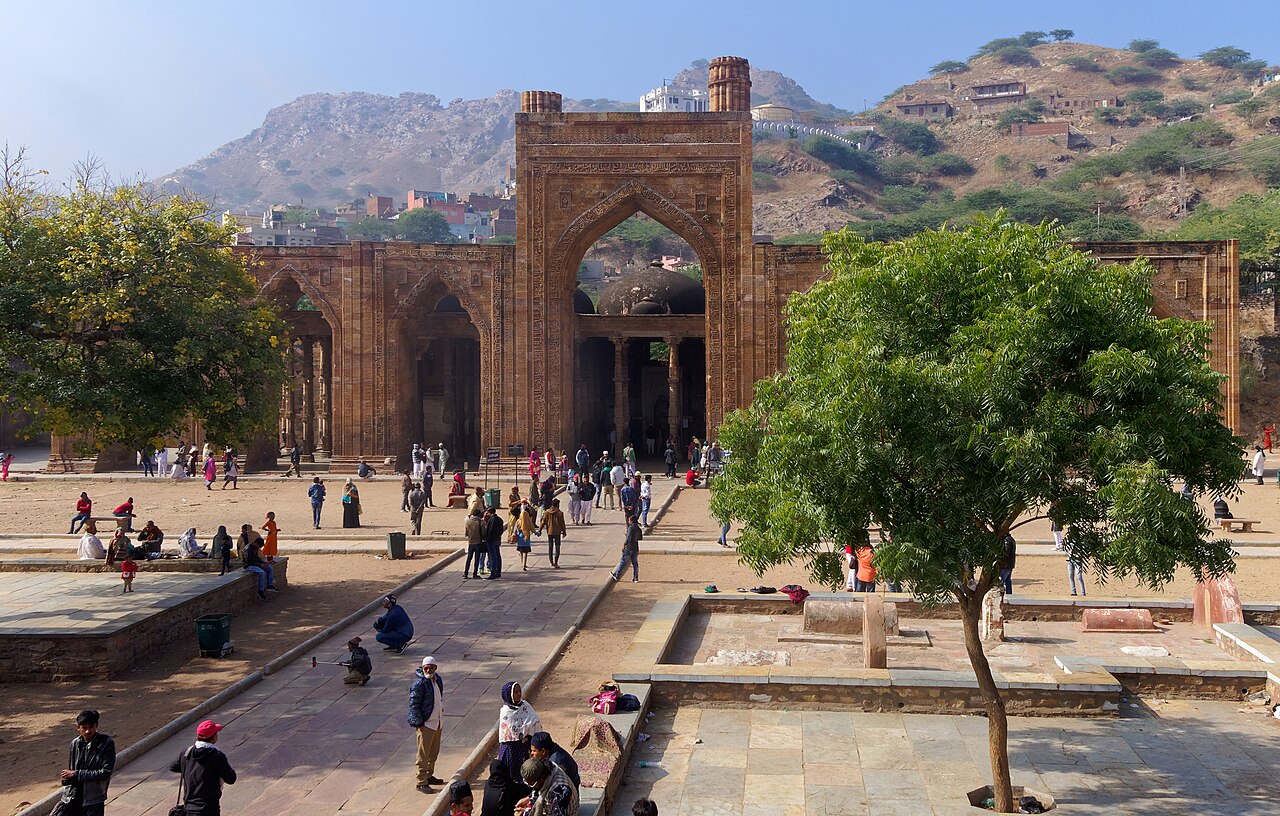
The oldest surviving monument in Ajmer and among the earliest Indo-Islamic mosques in India, its 1199 CE prayer hall and Iltutmish's 1213 CE arched screen rise on 344 pillars carved by Hindu and Jain craftsmen from earlier Temples.
 Islam
IslamAdina Mosque
Pandua · India · mosque
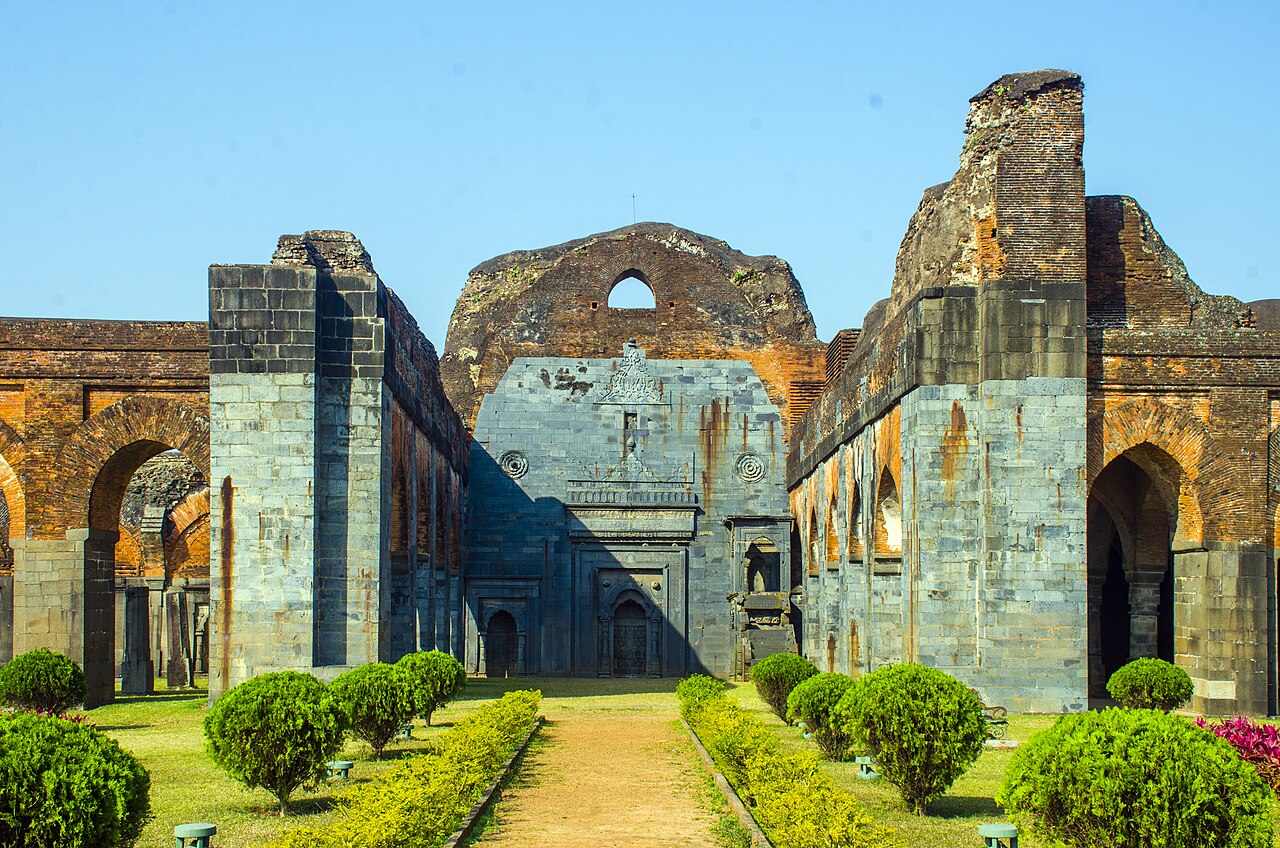
Once the largest mosque on the Indian subcontinent, the Adina Mosque at Pandua in West Bengal was raised by Sultan Sikandar Shah between 1373 and 1375 as the congregational mosque of the Bengal Sultanate, and holds his tomb within its western wall.
 Islam
IslamAjmer Sharif Dargah
Ajmer · India · dargah
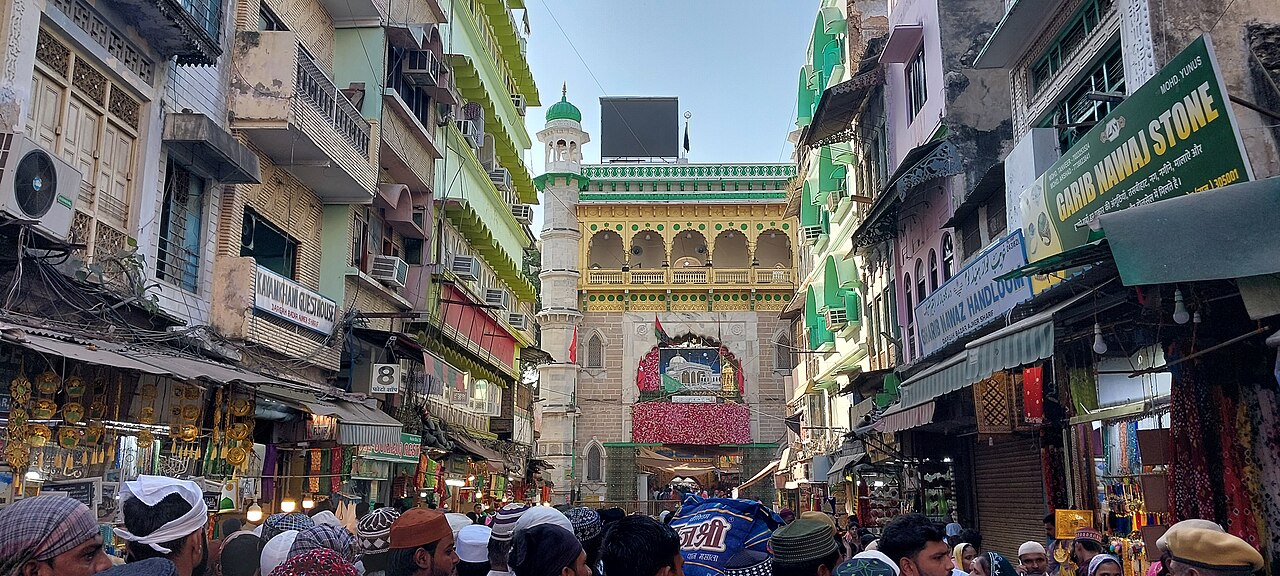
The tomb of Hazrat Khwaja Moinuddin Chishti, Gharib Nawaz, the benefactor of the poor, and the principal Sufi dargah of South Asia, where pilgrims of every community have offered chadars and shared the sweet rice of the great deghs for eight centuries.
Akbarabadi Mosque
Delhi · India · mosque
A mosque raised in 1650 by Akbarabadi Begum, a wife of the Mughal emperor Shah Jahan, in the walled city of Shahjahanabad, demolished by British forces in the aftermath of the 1857 Uprising and today marked only by disputed, unexcavated remains beneath Netaji Subhash Park in Old Delhi.
 Islam
IslamAlamgir Mosque
Varanasi · India · mosque
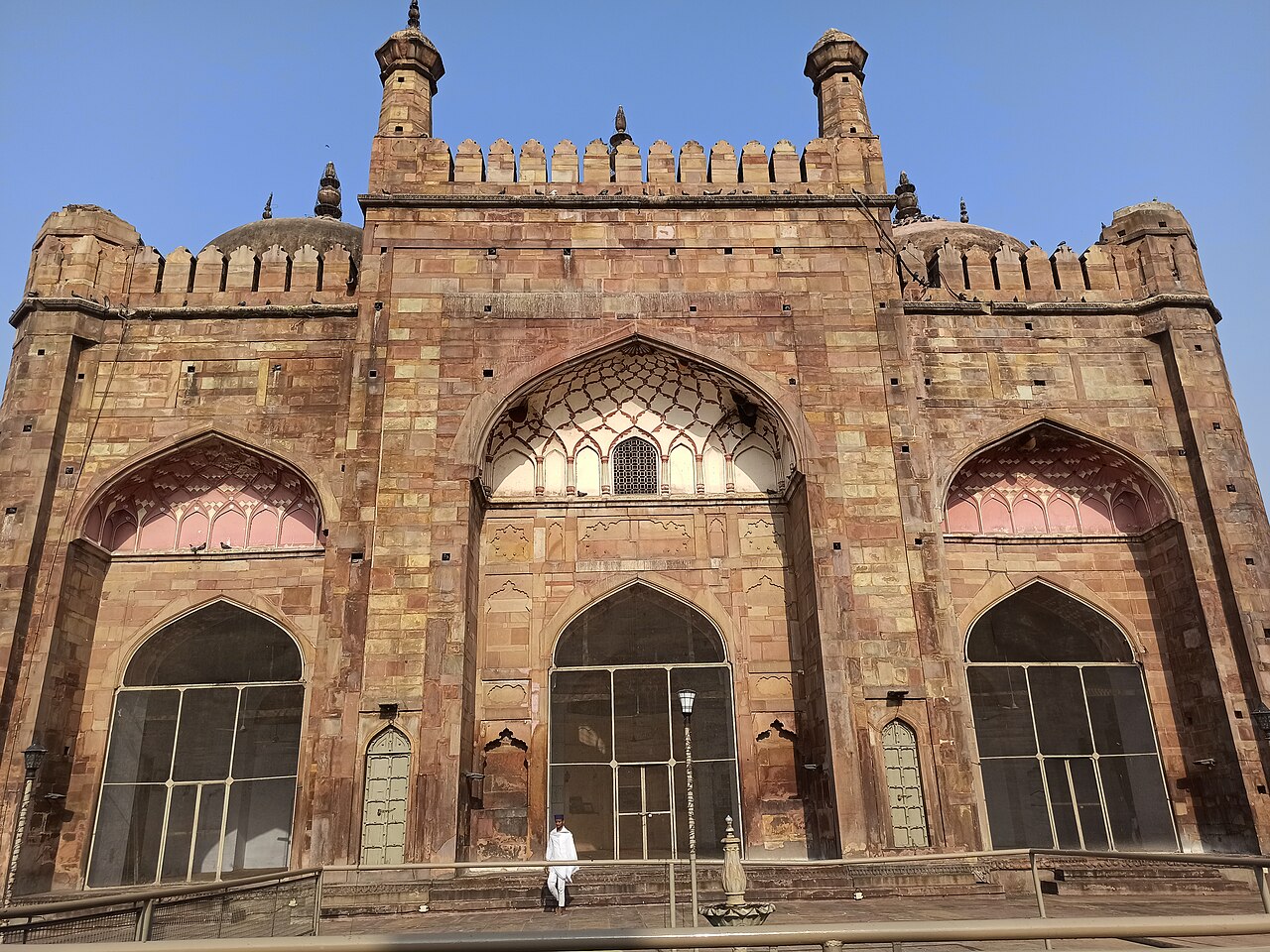
Raised in 1669 by the Mughal emperor Aurangzeb on the high bank above Panchganga Ghat in Varanasi, the Alamgir Mosque stands where wide stone steps meet the Ganges, its domes and surviving corner turret rising over a site earlier accounts describe as the Hindu Temple of Bindu Madhava.